
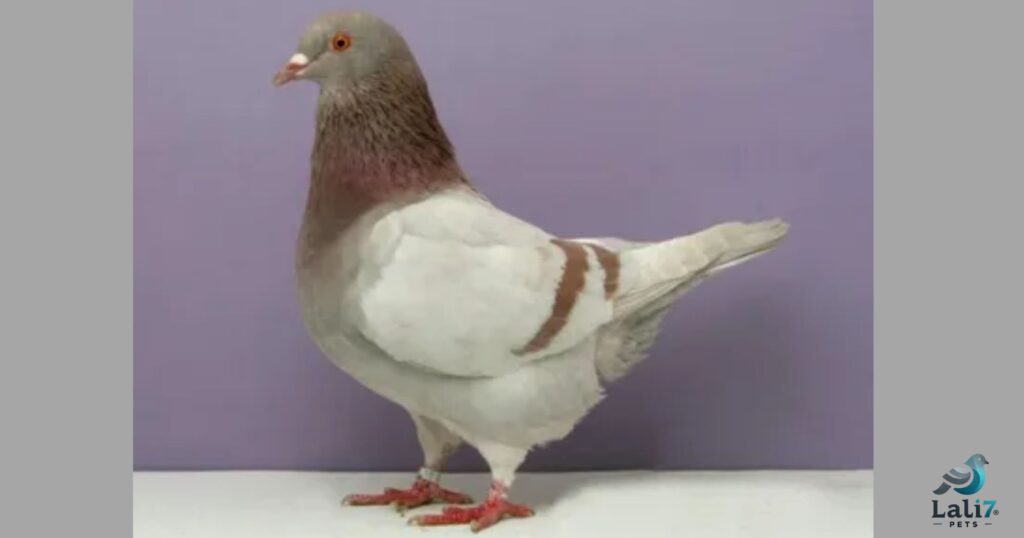
The Texan Pioneer Pigeon is more than just another bird in the world of pigeon breeding; it is a carefully crafted utility breed with a fascinating history, unique traits, and strong practical value. Known for its auto-sexing ability, solid body type, and high squab production, it has won the admiration of breeders across the globe.
If you are new to pigeons, or even if you’ve been breeding them for years, this guide will walk you through everything you need to know about the Texan Pioneer Pigeon, its origins, traits, breeding steps, pricing, and where to buy with confidence.
- The Origins of the Texan Pioneer Pigeon
- Unique Characteristics of the Texan Pioneer Pigeon
- Step-by-Step Guide to Breeding Texan Pioneer Pigeons
- Texan Pioneer Pigeon Price: What to Expect
- Texan Pioneer Pigeons for Sale: Where to Buy
- Why the Texan Pioneer Pigeon is Worth Owning
- Final Thoughts
- Frequently Asked Questions (FAQ)
The Origins of the Texan Pioneer Pigeon
The story of the Texan Pioneer Pigeon begins in the early 1950s in the state of Texas, USA. Breeders were looking to develop a bird that combined the robustness of the French Mondain pigeon with the size and squab production ability of the King pigeon.
After years of selective breeding, they succeeded. By 1961, the National Pigeon Association (NPA) officially recognized the Texan Pioneer as a unique breed. It quickly spread to Europe and Asia, where it was embraced by both utility breeders and show enthusiasts.
I once heard a veteran breeder recall how excited he was to see his first pair of Texans: “They looked elegant, but the real surprise came when the chicks hatched, I could tell the males from the females right away. It was like magic!”
Unique Characteristics of the Texan Pioneer Pigeon
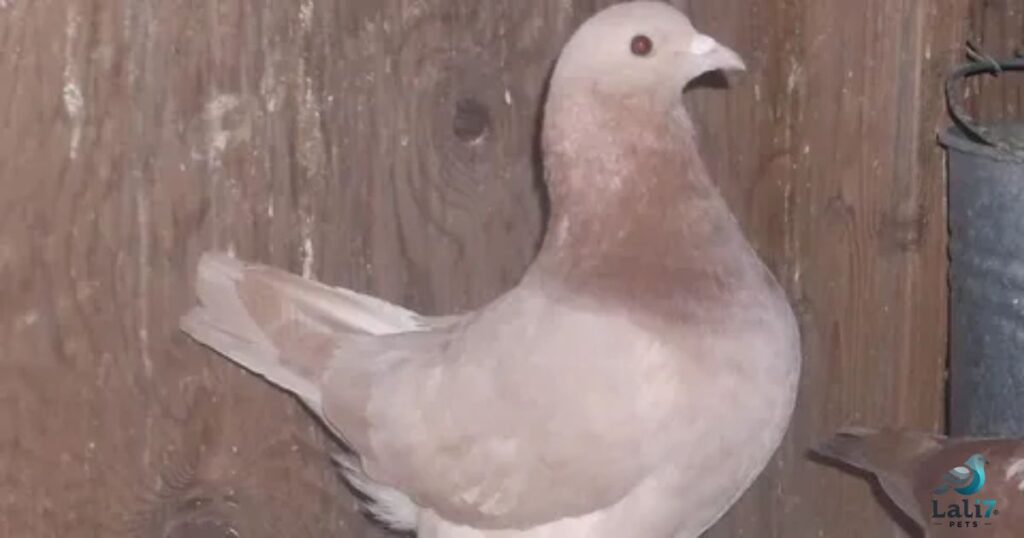
What makes this breed stand out? Let’s break down the features that have made the Texan Pioneer Pigeon world-famous:
- Auto-sexing ability: Males hatch lighter in color, females darker, making sexing immediate and accurate.
- Strong build: A blocky, large-breasted body ideal for meat production.
- Weight: Males typically range between 850–1150 grams, while females average 800–950 grams.
- Plumage: Males are often pure white, while females may display red, blue, or violet shading.
- Temperament: Gentle, calm, and easy to manage even for new pigeon keepers.
With these qualities, it’s easy to see why the breed appeals to both commercial breeders and hobbyists.
Step-by-Step Guide to Breeding Texan Pioneer Pigeons
For anyone interested in raising Texan Pioneer Pigeons, here’s a straightforward step-by-step plan:
Step 1: Selecting Healthy Birds
Start by sourcing your stock from a reputable breeder. Look for clear eyes, strong stance, clean feathers, and no signs of illness.
Step 2: Preparing the Loft
Provide a pigeon loft that is dry, ventilated, and predator-proof. Texans prefer roomy but simple housing.
Step 3: Feeding Your Birds
Offer a balanced pigeon feed, grit for digestion, and mineral supplements. Fresh water should always be available.
Step 4: Breeding Cycle
Once paired, hens lay two eggs per clutch. The incubation lasts about 18–20 days. Thanks to auto-sexing, you’ll immediately know which squabs are male and which are female.
Step 5: Raising Squabs
In their first days, squabs are fed with crop milk from the parents. Within 4–5 weeks, they’re ready to be weaned and can begin eating seeds and grains on their own.
Texan Pioneer Pigeon Price: What to Expect
When it comes to Texan pioneer pigeon price, several factors determine cost:
- Quality: Exhibition-quality birds fetch higher prices than utility ones.
- Location: Costs vary depending on availability in your region.
- Pedigree: Birds with documented lineage can command premium rates.
On average, the Texan Pioneer Pigeon ranges from $30 to $100 per bird, while show-quality pairs may go even higher. For anyone starting out, investing in healthy breeding stock is always the smartest choice.
Texan Pioneer Pigeons for Sale: Where to Buy

If you’re ready to leap, here’s where you can find Texan Pioneer pigeons for sale:
- NPA Breeders Directory – An excellent resource for locating trustworthy breeders.
- Pigeon Auctions – A popular marketplace for buying Texan Pioneers with pedigrees.
- Pigeon shows – A chance to meet breeders face-to-face and see the birds before purchase.
Always check the bird’s health history, feeding routine, and vaccination record before making a purchase.
Why the Texan Pioneer Pigeon is Worth Owning
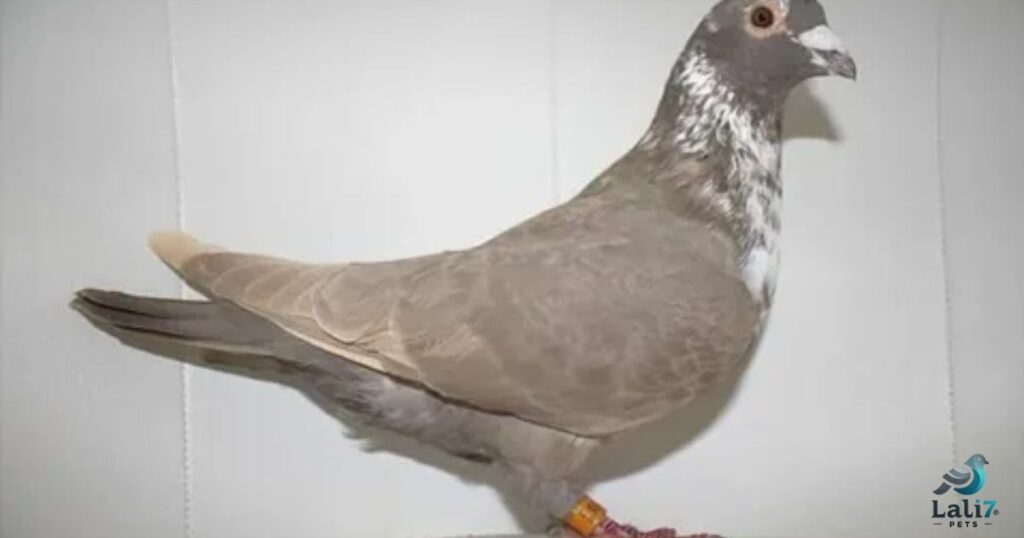
Here’s why the Texan Pioneer continues to be a breeder’s favorite:
- Quick growth rate for meat production
- Auto-sexing chicks saves time and effort
- Hardy constitution suitable for various climates
- Dual-purpose breed for utility and exhibition
- Affordable investment compared to other pigeons
A breeder once told me: “Texans are the kind of pigeon that pays for themselves. They don’t just give you squabs, they give you time back by making breeding easier.”
Final Thoughts
The Texan Pioneer Pigeon is more than a bird, it’s a practical investment for anyone looking to breed pigeons, whether for meat, shows, or simply the joy of keeping them.
With its auto-sexing ability, resilience, and worldwide recognition, it’s a breed that offers reliability and return on investment. If you’re exploring the Texan pioneer pigeon price or browsing Texan Pioneer pigeons for sale, know that you’re choosing one of the most trusted and versatile pigeons in the world.
Take the next step with confidence: reach out to a reputable breeder, secure your first pair, and experience firsthand why this bird continues to win the hearts of pigeon fanciers everywhere.
Frequently Asked Questions (FAQ)
What kind of bird is a Texas pioneer?
A Texas Pioneer pigeon is an American utility breed developed for squab production, known for its auto-sexing feature that distinguishes males from females at hatching.
Where does Mike Tyson get his pigeons from?
Mike Tyson sources his pigeons mainly from professional breeders and pigeon clubs in the U.S., often through auctions and personal connections in the pigeon community.
How many pet pigeons does Mike Tyson have?
Mike Tyson reportedly keeps over 1,000 pigeons in his lofts, as pigeons have been his lifelong passion since childhood.
Are mourning doves the same as pigeons?
No, mourning doves are a different species from pigeons, though they both belong to the Columbidae family and share similar body structures.
Can mourning doves breed with pigeons?
No, mourning doves cannot breed with pigeons because they are different species and genetically incompatible.