
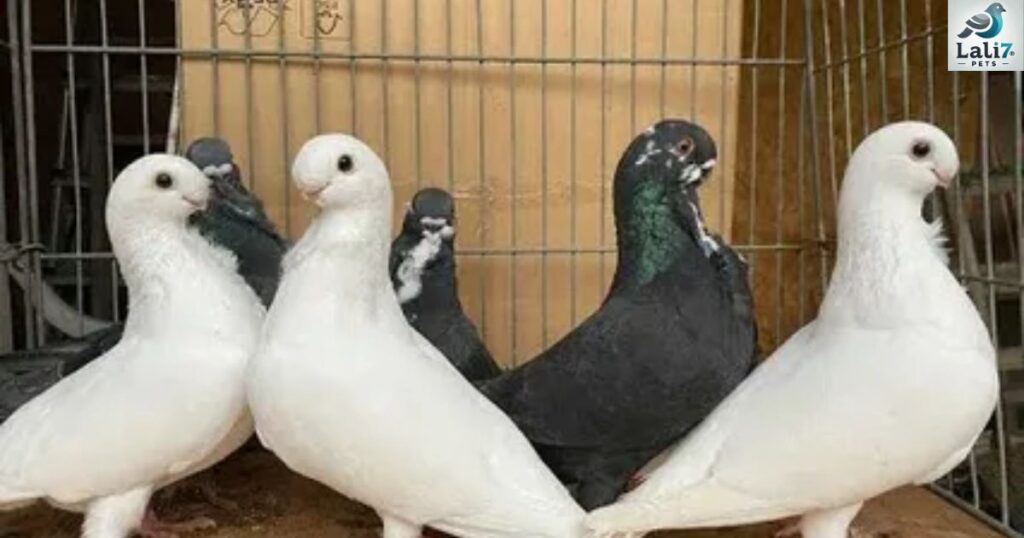
The African Owl Pigeon is one of the most stunning and unique birds in the world of fancy pigeon breeds. While they are admired for their beauty, new owners often struggle because of their specialized breeding needs.
Known originally as the Tunisian pigeon, this bird captures hearts with its small size and charming personality. However, their distinct short beak creates a challenge that requires specific knowledge to manage.
If you want to master pigeon care for this breed, you are in the right place. This guide covers everything from their history to solving the difficult problem of feeding their young.
What is an African Owl Pigeon?
The African Owl is a breed of domestic pigeon known for its small size and unique feathers. They have a rich history and a very specific look that sets them apart from other birds.
Origin and History of the Breed
This bird traces its roots back to Tunisia in North Africa. It was originally imported to England in the 19th century, where breeders refined it.
Because of its import history, it was famously called the Foreign Owl for many years. Breeders loved the challenge of perfecting its small, compact shape.
Like all domestic breeds, it is a descendant of the wild rock dove. Through decades of selective breeding, it developed the features we see today.
The Unique “Owl” Appearance
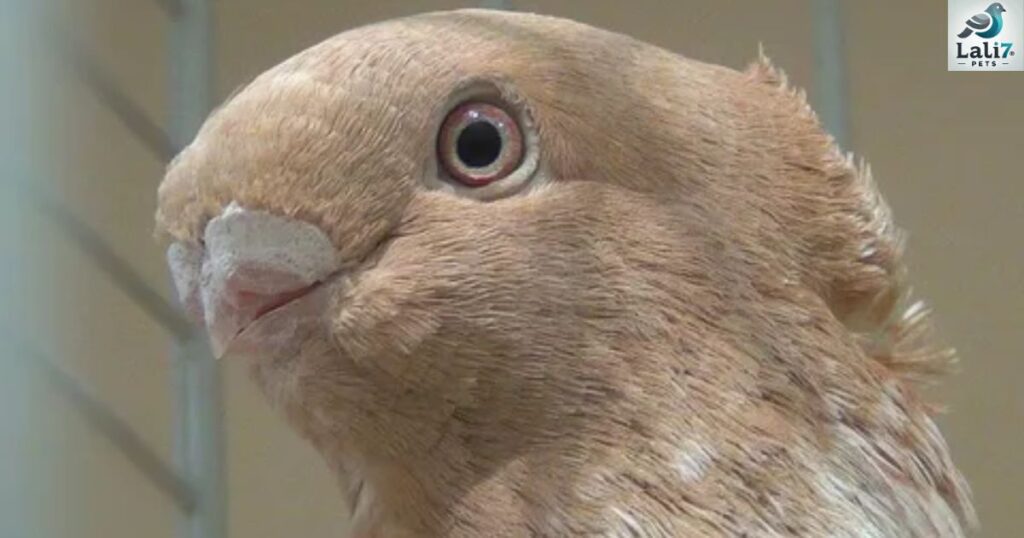
The name “Owl” comes from the bird’s very short beak and rounded head. This gives it a face that looks surprisingly like a wild owl.
They are much smaller than their cousin, the English Owl. Their body is short, plump, and stands very upright.
One of the most famous features is the jabot, often called a tie or cravat. This is a vertical ruffle of feathers running down the center of the breast.
Temperament and Personality
If you want a docile pigeon, the African Owl is a fantastic choice. They are known for being calm, gentle, and very easy to tame.
They do not fly high or far like racing pigeons. Instead, they prefer to stay close to their pigeon loft or coop.
This makes them excellent pet pigeons for families or beginners. They rarely show aggression and settle down quickly in a new home.
Distinctive Physical Features and Standards
To really understand this fancy pigeon breed, you must look closely at its body structure. Show judges look for very specific pigeon characteristics.
The Head and Beak Structure
The head of an African Owl Pigeon should be large, round, and massive compared to its body. It is often described as “cheeky.”
The beak is the most critical feature. It is a short-beak pigeon variety, meaning the beak is stout and points downward.
Ideally, the beak and the forehead should form an unbroken curve. This profile is essential for a top-quality exhibition pigeon.
The Jabot or Cravat
The jabot is the trademark of this breed. It is a line of reversed feathers growing on the chest.
In shows, this frill of feathers needs to be central and neat. It looks like the bird is wearing a fancy ruffled shirt.
Without a well-defined cravat, the bird will not score well in competitions. It adds to the “puffy” look of the chest.
Color Variations and Size
These birds come in many beautiful colors. You can find them in white, black, dun, red, yellow, and blue.
Some have checkered patterns or barred wings. The variety of pigeon colors makes a flock of African Owls look stunning.
They are truly “toy” pigeons because of their size. They are one of the smallest breeds in the Owl family.
Mastering African Owl Pigeon Care
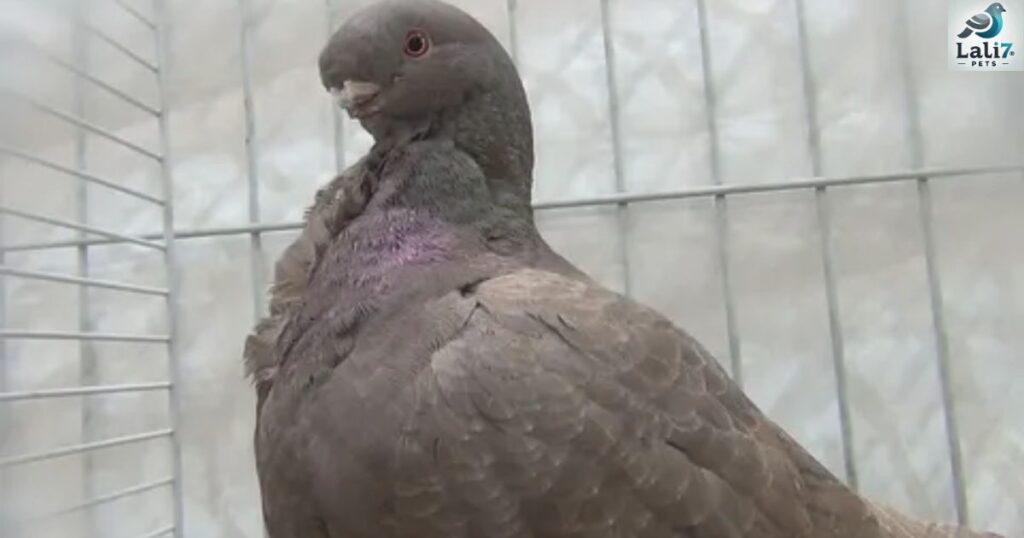
Taking care of an African Owl Pigeon is slightly different from caring for common pigeons. Their small size and beak shape mean you need to pay attention to details.
Ideal Loft and Housing Setup
Your pigeon loft must be draft-free and dry. These birds are small and can get cold easily compared to larger breeds.
They do not need massive amounts of space for flying. However, they do need perch space to rest comfortably.
Ensure the loft is predator-proof. Because they are gentle, they cannot defend themselves against cats or hawks.
Essential Diet and Nutrition
What do African Owl Pigeons eat? This is a common question. You cannot feed them large corn or big beans.
Because of their small gullets, they need a pigeon diet of small grains. Wheat, milo, kafir, and small peas are perfect.
You should also provide grit and minerals. This helps them digest their food properly since they don’t have teeth.
Grooming and Hygiene
Keeping your ornamental pigeons clean is vital. A dirty loft leads to disease.
Provide a bath pan with water a few times a week. They love to splash around and clean their own feathers.
Regularly scrape the floor of the loft. Removing droppings keeps ammonia levels low and protects their lungs.
Breeding Challenges and Solutions
This is the most important section. Pigeon breeding with African Owls is difficult. It is known as the biggest pain point for owners.
The Short Beak Issue
The main problem is their short beak. In nature, parents lock beaks with their babies to regurgitate “pigeon milk.”
The African Owl’s beak is too short to reach deep enough. This makes them poor feeders of their young.
If left alone, the babies (squabs) will often starve. The parents want to feed them, but physically struggle to do so.
Using Foster Parents
To raise African Owl Pigeon babies successfully, you need foster parents. These are often called “pumpers” or “feeders.”
Breeds like Racing Homers or Rollers make great fosters. They have normal beaks and strong parental instincts.
You must swap the eggs. Take the Owl eggs and put them under the foster parents. The fosters will raise the Owl babies as their own.
Hand-Rearing Techniques
If you do not have foster pigeons, you might have to try hand-rearing pigeon squabs. This is very time-consuming.
You will need a specialized formula and a syringe. You have to feed the baby every few hours.
This is generally a last resort. Using foster parents is much safer and healthier for the young birds.
Health and Common Issues
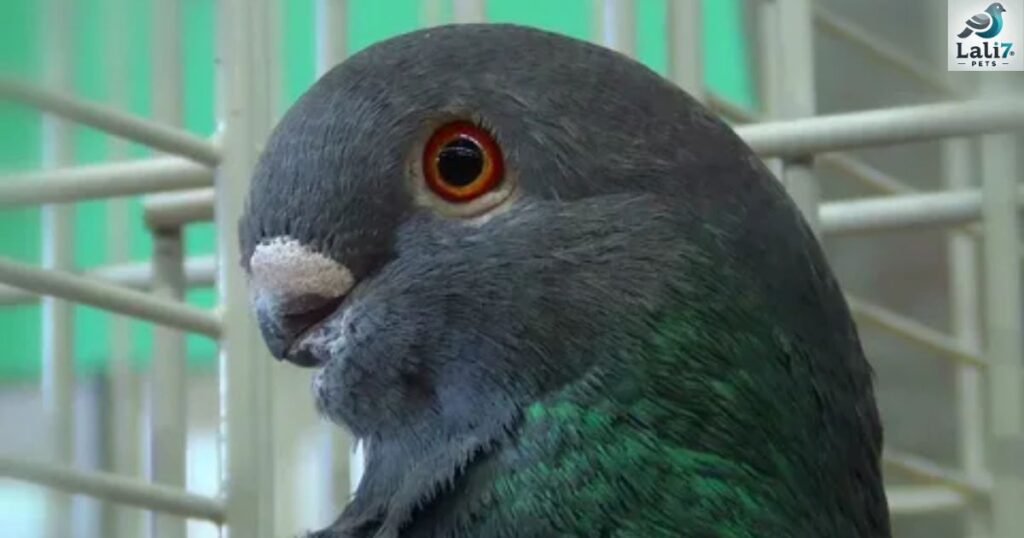
Like all animals, these birds can get sick. Knowing pigeon health issues early can save your bird’s life.
Respiratory Sensitivity
The short nose and beak can sometimes lead to breathing issues. They are more prone to respiratory infections than long-beaked birds.
Listen for wheezing or sneezing. If you hear this, check the ventilation in your loft immediately.
Dust is an enemy. Keep the loft dust-free to protect their delicate airways.
Parasite Prevention
External parasites like lice and mites can damage their beautiful feathers. This ruins them for show purposes.
Use pigeon-safe insecticides to treat the birds and the loft. Check under their wings regularly.
Internal worms can also make them thin. A regular de-worming schedule is recommended by vets.
General Fancy Pigeon Health Checks
Watch their behavior daily. A healthy African Owl Pigeon is alert and smooth-feathered.
If a bird is fluffed up and sitting in a corner, it is sick. Isolate it immediately.
Check their eyes. They should be bright and clear, not watery.
Show Preparation and Exhibition
Many owners keep these birds as exhibition pigeons. Winning a show takes time and patience.
Understanding the Standard of Perfection
Pigeon associations and clubs have a “Standard of Perfection.” This is a written guide on what the perfect bird looks like.
For African Owls, judges look for a perfectly round head. The beak must be set correctly.
The body must be short and compact. If the bird is too long or thin, it will be disqualified.
Training for the Show Cage
You must train your bird to be calm in a small show cage. This is called “pen training.”
Place the bird in a show cage for a few hours a day. Walk past it so it gets used to people.
Use a judging stick to teach the bird to pose. A bird that stands proud will always beat a scared bird.
Buying and Cost Considerations
Are you ready to buy? Finding the right bird requires research. Buying African Owl Pigeons is not like buying a parakeet at a pet store.
Where to Find Reputable Breeders
You usually cannot find these at general pet shops. You need to find specialized breeders or attend a pigeon club show.
Search for National Pigeon Association listings. Look for breeders who specialize in “Owls.”
Ask questions about health and lineage. A good breeder will be happy to answer.
Understanding Price Factors
The cost varies wildly. A “pet quality” bird might cost $20 to $50.
However, a champion bloodline fancy pigeon can cost hundreds of dollars. Rare colors also cost more.
Remember to factor in shipping costs. Specialized bird shipping is safe but can be expensive.
Conclusion
The African Owl Pigeon is a masterpiece of the bird world. With its tiny body, famous jabot, and owl-like face, it is a joy to own. While they are sweet and docile pigeons, they do come with challenges.
The biggest hurdle is breeding. Their short beak makes it hard for them to feed their own babies, so using foster parents is usually necessary. If you are prepared for this, you will find them to be wonderful, low-energy pets that add beauty to any loft.
Whether you want a show-stopping exhibition pigeon or a quiet friend, the African Owl is a top choice. With the right care, diet, and attention, these birds can live long, happy lives.
Frequently Asked Questions
What are the main characteristics of an African Owl Pigeon?
They are small, short-bodied birds with a round head and a very short, down-turned beak. Their most famous feature is the frill of feathers on their chest called a jabot or cravat.
What is the origin of the African Owl Pigeon?
This breed originated in Tunisia, North Africa. They were imported to England in the 19th century, where they were further developed into the breed we know today.
Are African Owl Pigeons good pets?
Yes, they make excellent pets. They have a very calm and docile temperament. They tame easily and are not aggressive, making them great for beginners.
Do African Owl Pigeons have special care or breeding needs?
Yes, breeding is difficult because their beaks are too short to feed their young effectively. Breeders almost always use foster pigeons (like Homers) to raise the African Owl babies.
What colors do African Owl Pigeons come in?
They come in a wide variety of colors including white, black, blue, dun, red, and yellow. You can also find them with checkered or barred patterns on their wings.