
- Introduction to the Syrian Dewlap Pigeon
- Origin and Rich History
- Distinctive Physical Characteristics
- Understanding Syrian Dewlap Pigeon Sub-breeds and Related Varieties
- Temperament and Behavior
- Comprehensive Care Guide for Syrian Dewlap Pigeons
- Breeding Syrian Dewlap Pigeons
- Syrian Dewlap Pigeons in Exhibition and Competition
- Acquiring Syrian Dewlap Pigeons
- Lifespan of the Syrian Dewlap Pigeon
- Frequently Asked Questions About Syrian Dewlap Pigeons
- Conclusion: The Enduring Legacy of a Beautiful Breed
Introduction to the Syrian Dewlap Pigeon
Step into a realm where avian grace meets ancient heritage with the incredible syrian dewlap pigeon. These birds are not just flyers; they are living artifacts of history, celebrated for their unique throat structures and captivating presence in coops worldwide.
Enthusiasts cherish this syrian dewlap pigeon breed for its calm demeanor and striking looks. Whether you are a seasoned breeder or a curious novice, the allure of these birds is undeniable, bridging the gap between historical utility and modern ornamental appeal pigeon keeping.
What is a Syrian Dewlap Pigeon?
This breed stands out as a fancy pigeon variety characterized by a prominent dewlap, a loose fold of skin hanging from the throat. Originating from the Middle East, they possess a robust build and specific physical characteristics that differentiate them from common street pigeons or other fancy varieties.
A Glimpse into its Enduring Appeal
Their magnetism lies in the perfect blend of form and function. Owners love the peaceful pigeon nature which makes them excellent companions. Furthermore, their unique appearance, specifically the ruffled feathery scarf effect on some sub-types, guarantees they steal the spotlight at any pigeon exhibitions.
Origin and Rich History
The narrative of this bird begins centuries ago, deep within the cradle of civilization. Scholars believe the syrian dewlap pigeon shares ancestry with birds depicted in ancient Egypt pigeon hieroglyphs, suggesting a lineage that has walked alongside humanity for millennia.
These birds migrated and adapted across borders, solidifying their status among Middle East pigeons. Their survival and proliferation speak volumes about their resilience and the high value placed on them by early cultures, eventually becoming the beloved Syria pigeon origin breed we recognize today.
Tracing Ancestry: From Ancient Egypt to the Middle East
Historical records hint that the genetic precursors to these birds served as messengers and symbols of status. The distinctive features we see now were honed over generations, likely starting with the utility pigeons of the Pharaohs before spreading into the Levant region.
The Evolution of a Breed: Syria, Lebanon, and Southern Turkey
As trade routes expanded, so did the breed’s territory, morphing into regional varieties like the Lebanon pigeon and southern Turkey pigeon. Local breeders selectively refined traits, enhancing the size of the dewlap and the bird’s flying endurance to suit local tastes.
Utility vs. Ornament: Historical Roles and Modern Significance
Originally, these birds were prized for their homing instincts and aerial performance. Today, while they remain strong flyers pigeons, the focus has shifted heavily towards their beauty as show pigeons. The balance has tipped from working the skies to gracing the exhibition hall.
Distinctive Physical Characteristics
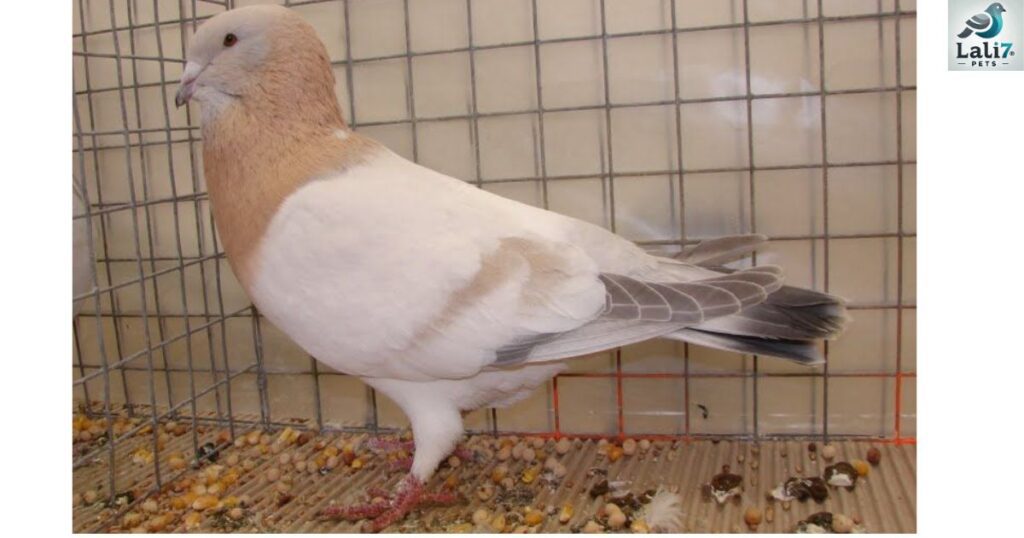
Identifying a syrian dewlap pigeon starts with observing its majestic silhouette. These birds are generally larger than average, boasting a broad chest and a confident stance that highlights their distinctive features, making them instantly recognizable in a mixed flock.
Beyond the throat, their overall conformation is vital. Judges and enthusiasts look for a harmonious balance between the bird’s size, stature, and build and its feather quality. Every aspect, from the short beaks to the tail, contributes to the standard of perfection.
The Iconic Dewlap: What Makes it Unique?
The defining trait is undoubtedly the pendulous dewlap, a fascinating gullet structure that hangs elegantly. This skin fold should be well-developed and central, giving the bird a regal look that separates it from breeds lacking this prominent dewlap feature.
Variations in Dewlap Appearance
Not all dewlaps look the same; some are tight, while others are loose and voluminous. In the Syrische wammentaube, European enthusiasts often prefer a specific curvature, whereas regional variants might display a ruffled feathery scarf texture depending on the specific lineage.
Size, Stature, and Build
These are robust birds with long necks that allow the dewlap to hang correctly. Their muscular bodies suggest latent power, a nod to their history as endurance flyers. A proper specimen has a wide back and typically carries tail feathers 14-24 in number.
Feathered Beauty: Colors and Patterns
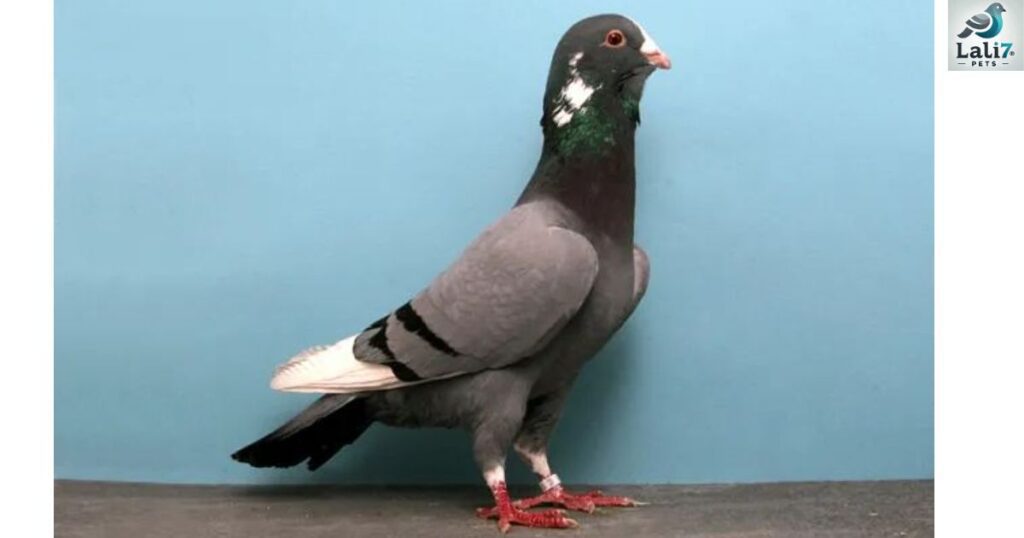
The palette of this breed is astoundingly diverse. From the iridescence of a green sheen on the neck to the stark contrast of black and white plumage, the pigeon colors available offer something for every aesthetic preference.
Common Color Morphs (Black, White, Blue Bar, Red, Checkered)
You will frequently see these birds in classic blue bar, intense red, or intricate checkered patterns. The ash red variety is particularly striking, often catching the eye of judges who appreciate the depth and vibrancy of the feather pigmentation.
Special Markings: Earrings (Ablaq) and Necklaces
Some varieties boast exquisite markings known as ear-ring markings ablaq, adding a splash of color to the head area. Others feature distinct “necklaces” or patches that contrast with the body, enhancing the visual complexity and ornamental appeal pigeon fans adore.
Head, Beak, and Eye Features (Green Eyes)
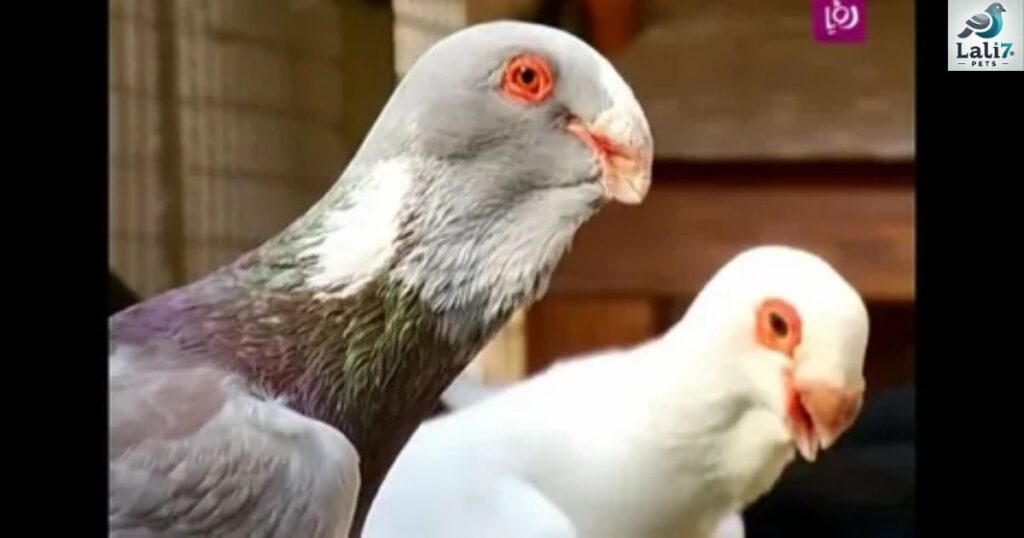
The head is typically rounded with a stout, short beak that complements the dewlap. A mesmerizing trait in some bloodlines is the presence of green eyes pigeon enthusiasts find rare and enchanting, though eye color can vary based on plumage genetics.
Understanding Syrian Dewlap Pigeon Sub-breeds and Related Varieties
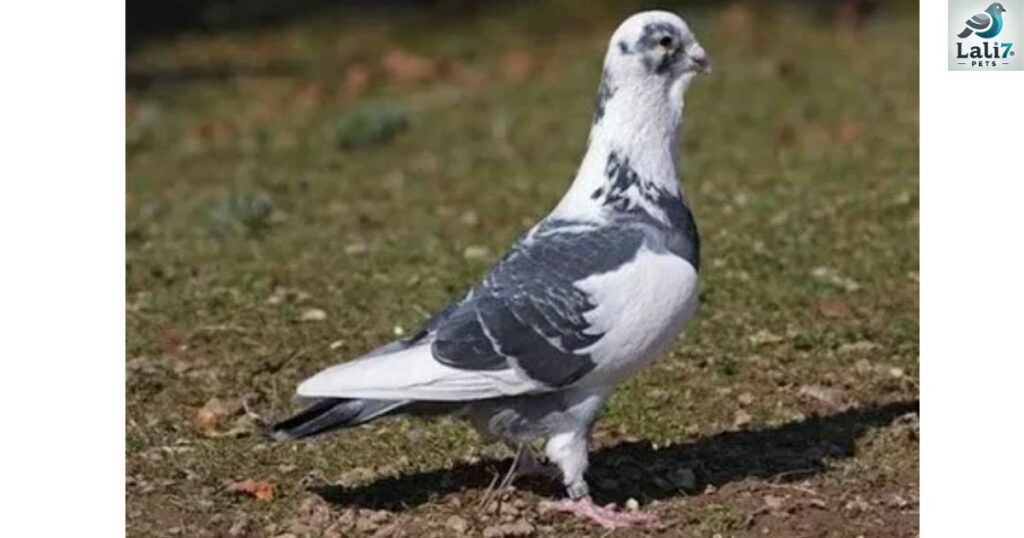
The terminology can be confusing because “Dewlap” covers a family of birds. The standard syrian dewlap pigeon is just one star in a constellation that includes the Syrian curled dewlap and others, each with unique genetic quirks and regional histories.
Differentiating these sub-breeds requires a keen eye for detail. While they share the throat fold, the feather texture, stance, and flying style differ significantly. Knowing the difference between a Beyrouth pigeon and a true Syrian Dewlap is crucial for serious collectors.
Syrian Dewlap vs. Syrian Curled Dewlap: Key Differences
The primary distinction lies in the plumage texture. The Syrian curled dewlap possesses a unique modification where chest feathers curl outward, creating a frill. Standard Syrian Dewlaps lack this curly plumage, presenting a smoother, sleeker breast profile preferred by some traditionalists.
The Adana Dewlap: A Turkish Connection
Originating from nearby regions, the Adana dewlap is famous for its incredible diving speed. While they share the dewlap trait, Adanas are bred strictly for performance as strong flyers pigeons, often sacrificing size for aerodynamic superiority compared to the Syrian variety.
Other Notable Dewlap Cousins (Basra, Mawardi, Abu Abse)
The family tree includes the distinctive Abu abse dewlap, known for its specific markings, and the Basra. The Mawardi is another regional favorite. Each variety represents a localized evolution of Middle East pigeons, adapted to specific aesthetic tastes or flying styles.
How to Identify Different Types
Look closely at the feathering and the beak. Short beaks often indicate specific show lines, while the presence of a crest or unique crests can signal a different sub-variety. Comparing the tail feathers 14-24 count can also help distinguish true Syrians from crossbreeds.
Temperament and Behavior
One of the greatest joys of owning a syrian dewlap pigeon is experiencing their delightful personality. These birds are renowned for being sociable pigeons, often bonding closely with their caretakers and showing a level of intelligence that surprises new owners.
Their behavior in the loft is generally harmonious. Unlike more aggressive breeds, they prefer a calm existence, making them ideal for a mixed aviary. This peaceful pigeon nature allows them to coexist without constant territorial disputes, fostering a relaxing environment.
Gentle Giants: Their Social and Calm Nature
Owners frequently describe them as “gentle giants” due to their substantial size and mild temper. This makes them perfect for families or beginners, as pigeon fanciers appreciate a bird that is easy to handle and rarely displays aggression toward humans or loft-mates.
Flight and Diving Abilities: Performance Aspects
Despite their showy appearance, they retain ancestral athleticism. Many lines still possess impressive diving abilities pigeons are famous for, capable of rapid descents. However, heavier show birds may be less acrobatic than their strong flyers pigeons ancestors from the working lineages.
Compatibility with Other Pigeons and Pets
Thanks to their chill attitude, they integrate well into diverse flocks. When planning pigeon housing, you can usually house them with other non-aggressive breeds. Their size commands respect, but they rarely instigate fights, embodying the true spirit of sociable pigeons.
Comprehensive Care Guide for Syrian Dewlap Pigeons
Providing top-tier syrian dewlap pigeon care requires attention to detail. These birds are robust but thrive best when their specific needs are met. A haphazard approach won’t work; you need a structured plan covering everything from pigeon diet to daily hygiene.
Success starts with routine. Regular observation allows you to catch issues early. Whether it is adjusting their nutritional needs pigeons require during molting or ensuring their coop is draft-free, proactive management is the key to a happy, healthy flock.
Housing and Environment: Creating the Ideal Loft
Your birds need a sanctuary, not just a cage. Pigeon housing should be dry, well-ventilated, and secure from predators. A spacious environment for pigeons prevents stress and keeps feathers in pristine condition for potential shows or simply for their well-being.
Space Requirements and Loft Design
Each pair requires ample room to court and nest. A crowded loft leads to disease and fighting. Incorporate perches that accommodate their size and loft design features that allow easy cleaning, ensuring your syrian dewlap pigeon breed stays comfortable.
Climate Considerations
These birds are hardy but dislike damp drafts. If you live in a cold region, insulate the loft. In hot climates, ensure airflow to prevent overheating. Climate considerations are vital for maintaining the health of these Middle East pigeons in varied global locations.
Nutrition and Feeding: A Balanced Diet for Health
A generic bird seed mix is insufficient. You must understand feeding guide pigeons protocols. A mix of high-quality grains, proteins, and fats ensures they maintain weight and feather luster. Nutritional needs pigeons change with seasons, so adjust accordingly.
Recommended Grains, Seeds, and Supplements
Base their diet on a diverse mix of grains for pigeons like corn, wheat, and peas. Add seeds for pigeons such as safflower for fat. Supplements like vitamins are crucial during breeding or molting to support their physical characteristics and immune systems.
Feeding Schedule and Portion Control
Feed twice daily, removing uneaten food to prevent rodents. Some breeders prefer pigeon pellets for a scientifically balanced intake. controlled feeding prevents obesity, which can hamper the fertility and flight capabilities of your syrian dewlap pigeon.
The Role of Grit and Water
Digestion relies on pigeon grit, which grinds food in the gizzard. Always provide a clean bowl of grit with calcium. Fresh water is non-negotiable; dirty water is the fastest route to illness in pigeon diet management.
Health and Wellness: Preventing Common Ailments
Vigilance is your best tool against illness. Common pigeon diseases like canker or respiratory infections can strike quickly. A clean loft and good diet are the first lines of defense, but knowing the symptoms saves lives.
Common Pigeon Diseases and Symptoms
Watch for fluffed feathers, weight loss, or nasal discharge. These are red flags for issues like coccidiosis or worms. Early detection of these symptoms ensures your syrian dewlap pigeon receives prompt treatment before the condition worsens.
Vaccinations and Parasite Control
Establish a protocol for vaccinations against PMV (Paramyxovirus). Regular deworming and external parasite control (lice/mites) are essential. Veterinary care consultation helps create a schedule that keeps your flock protected year-round.
Regular Health Checks and Veterinary Care
Inspect your birds weekly. Check their throats, vents, and keels. Establishing a relationship with a vet who understands veterinary care for birds ensures you have expert backup when home remedies aren’t enough for your syrian dewlap pigeon.
Exercise and Enrichment: Keeping Your Pigeon Active and Engaged
Don’t let them become couch potatoes. Pigeon exercise is vital for muscle tone and mental health. Allow them safe flight time outside the loft to stretch their wings and exhibit those natural diving abilities pigeons possess.
Breeding Syrian Dewlap Pigeons
Engaging in breeding practices pigeons require is both science and art. It involves selecting the best pairs to improve the next generation. For the syrian dewlap pigeon, this means focusing on dewlap size, body conformation, and specific markings.
Patience is mandatory. Not every squab will be a champion. Understanding genetics pigeon breeding helps you predict outcomes, but nature always holds surprises. Responsible breeding ensures the longevity and quality of this magnificent breed.
The Art of Breeding: Preserving and Enhancing Traits
Your goal is to inch closer to the breed standard. Select parents that compensate for each other’s faults. If one lacks a deep dewlap, pair it with a partner possessing a prominent dewlap to enhance this trait in the offspring.
Genetic Considerations for Dewlap and Color
Genetics dictate everything from pigeon colors to the curl of the feathers. Understanding dominant and recessive genes helps you produce desired morphs like ash red or specific ear-ring markings ablaq. It reduces the guesswork in your program.
Nesting, Eggs, and Raising Squabs
Provide clean bowls and nesting material like pine needles. Parents share incubation duties. Raising squabs requires monitoring to ensure they are fed “crop milk.” Healthy parents usually raise healthy babies without much human intervention.
Common Breeding Challenges and Solutions
Infertility or poor parenting can occur. Sometimes heavy dewlaps interfere with feeding squabs. In such cases, pigeon fanciers often use foster parents (pumpers) from other breeds to ensure the syrian dewlap pigeon squabs survive and thrive.
Syrian Dewlap Pigeons in Exhibition and Competition
Entering the world of pigeon exhibitions is thrilling. It is where your hard work in care and breeding pays off. Shows provide a benchmark to compare your birds against the best, driving improvement in the syrian dewlap pigeon breed.
Competition is fierce. Judges inspect every feather and bone. To win, a bird must not only be beautiful but also display excellent condition and temperament. Show pigeons represent the pinnacle of the fancier’s dedication and skill.
Breed Standards: What Judges Look For
Judges strictly adhere to breed standards. They assess the symmetry of the pendulous dewlap, the width of the chest, and the specific head shape. Deviations, such as incorrect tail feathers 14-24 counts, result in point deductions.
Preparing Your Pigeon for Show
Preparation starts weeks in advance. Bathing your bird ensures white feathers are spotless and black ones gleam. trimming nails and beak polishing are part of the grooming regimen that highlights the bird’s distinctive features.
The Importance of Conformation and Presentation
A bird must pose correctly in the judging cage. Training your syrian dewlap pigeon to stand tall and show off its long necks and chest is crucial. Good conformation combined with confident presentation catches the judge’s eye.
Acquiring Syrian Dewlap Pigeons
finding a syrian dewlap pigeon for sale takes research. You want healthy stock from ethical sources. Avoid buying blindly from unknown sellers; instead, seek out established networks where quality and health are prioritized.
The market varies wildly. Prices depend on lineage, color rarity, and show potential. Whether you want a pet or a champion, understanding the landscape of pigeon price helps you budget for your new feathered investment.
Where to Find Reputable Breeders and Sellers
Connect with local clubs or online forums dedicated to Middle East pigeons. Breeders who show their birds are often the best sources. They care about their reputation and the syrian dewlap pigeon breed future, ensuring you get quality birds.
What to Look For When Buying (Health, Pedigree, Markings)
Inspect the bird personally if possible. Look for clear eyes, clean vents, and energy. Ask for pedigree records to verify lineage. Ensure the physical characteristics match what you are paying for, especially if seeking rare ear-ring markings ablaq.
Understanding the Cost: Price Ranges and Investment
A standard bird might cost a moderate amount, but show-quality champions command high fees. The pigeon price reflects years of selective breeding. Remember, the initial cost is just the beginning; factor in ongoing care and pigeon housing costs.
Shipping and Transportation Considerations
Transporting live birds requires care. Use approved shipping boxes with ventilation and food. Ensure the carrier specializes in livestock. Proper logistics prevent stress, ensuring your syrian dewlap pigeon arrives at its new home safely.
Lifespan of the Syrian Dewlap Pigeon
With optimal care, these birds are long-term companions. The pigeon lifespan domesticated is significantly longer than their wild counterparts due to protection from predators, consistent pigeon diet, and medical care.
Longevity is a testament to the owner’s dedication. By minimizing stress and preventing disease, you can enjoy the company of your syrian dewlap pigeon for many years, watching them mature and potentially produce generations of offspring.
Average Lifespan: Domestic vs. Wild
In captivity, they often live 10 to 15 years. This contrasts sharply with the pigeon lifespan wild, which is often cut short by accidents or starvation. Your care directly extends their years.
Factors Influencing Longevity
Genetics play a role, but environment is key. A clean spacious environment for pigeons, balanced nutrition, and protection from extreme weather are the biggest factors. Regular veterinary care also catches life-threatening issues early.
Tips for a Long and Healthy Life
Consistency is magic. Clean water daily, quality grains for pigeons, and regular exercise keep them fit. Love and attention also contribute to a stress-free life, boosting the immune system of your cherished syrian dewlap pigeon.
Frequently Asked Questions About Syrian Dewlap Pigeons
New enthusiasts often have similar queries regarding these Middle East pigeons. Clearing up these doubts helps prospective owners decide if this breed fits their lifestyle. Here are quick answers to common curiosities about the syrian dewlap pigeon.
Understanding the basics of reproduction, cost, and temperament is essential. These FAQs address the practical side of ownership, from pigeon price to their suitability as pets for families or pigeon fanciers.
How often do Syrian Dewlap pigeons lay eggs?
Typically, a healthy pair lays a clutch of two eggs every month or so during the breeding season. However, constant egg-laying can deplete the hen’s calcium, so responsible breeders often limit clutches to ensure syrian dewlap pigeon care standards are met.
Are Syrian Dewlap pigeons good pets for beginners?
Absolutely. Their peaceful pigeon nature makes them forgiving and easy to handle. They are less flighty than other breeds, making them excellent entry-level birds for anyone interested in the syrian dewlap pigeon breed.
What is the average price of a Syrian Dewlap pigeon?
The pigeon price varies widely, from $50 for a pet-quality bird to several hundred dollars for a show champion. Rare colors or proven breeders with distinct physical characteristics will always command a premium in the market.
Do Syrian Dewlap pigeons require special training?
Unless you are training for specific flight competitions, you do not need rigorous training. However, “coop training” to return home is essential for any syrian dewlap pigeon allowed to fly outside to ensure they don’t get lost.
How do Syrian Dewlap pigeons differ from other fancy pigeons?
Their defining trait is the prominent dewlap and larger size. Unlike tumblers or fantails, they are categorized by this throat structure and their robust, utility-based ancestry from Syria pigeon origin, setting them apart in the fancy world.
Conclusion: The Enduring Legacy of a Beautiful Breed
The syrian dewlap pigeon is more than just a bird; it is a living masterpiece of history and genetics. From its ancient Egypt pigeon roots to the modern show ring, it continues to captivate hearts with its ornamental appeal pigeon lovers cannot resist. Whether you are drawn to the Syrian curled dewlap or the classic variety, owning one connects you to a rich tradition of pigeon fanciers spanning centuries. Embrace the journey of caring for these gentle giants, and you will be rewarded with beauty, loyalty, and the quiet joy of the coop.