
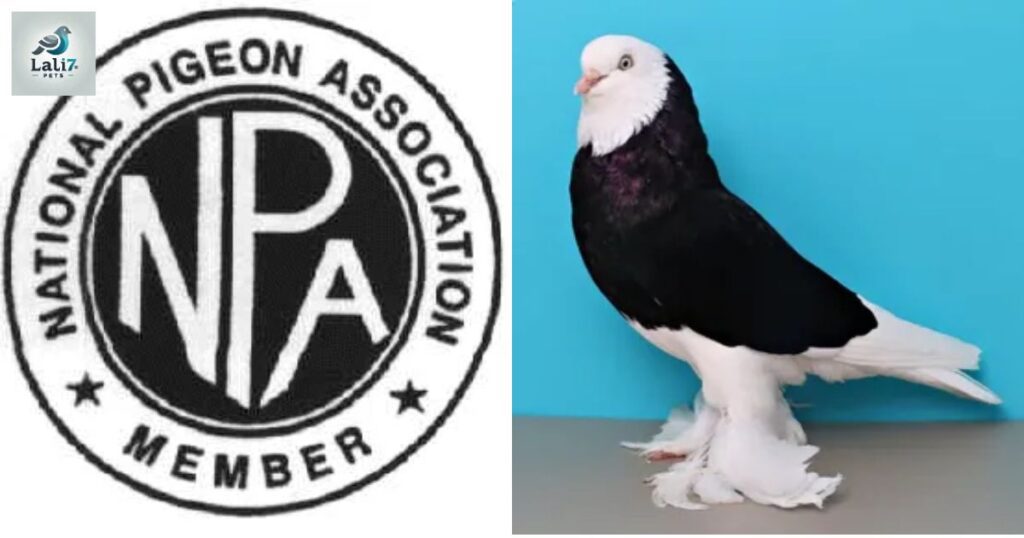
A bustling hall, surrounded by rows of meticulously groomed birds. You hear the soft cooing of a Bokhara Trumpeter and see the dazzling, peacock-like tail of a Fantail. A young child next to you beams with pride as they accept a ribbon for their first show bird.
This isn’t just a hobby; it is a heritage.
For decades, the pigeon fancy has united people from all walks of life. At the heart of this vibrant community sits the National Pigeon Association (NPA). Whether you are an experienced breeder looking to win at the Grand National Pigeon Show, a curious beginner wondering how to build a pigeon loft, or a kind stranger trying to identify a lost bird, the NPA is your ultimate resource.
In this guide, we will explore the rich history of the NPA, how to join, the incredible diversity of pigeon breeds, and the essential care tips every fancier needs.
- The National Pigeon Association: A Legacy of Fanciership
- Becoming a Member: Your Gateway to the Pigeon Fancy
- Exploring Pigeon Breeds: A Diverse World of Feathered Friends
- The Thrill of Competition: NPA Shows and Awards
- Responsible Pigeon Keeping: Care, Welfare, and Ethics
- Engaging with the Pigeon Community: Beyond Shows
- The Future of the National Pigeon Association
- Conclusion: Embrace the Joy of Pigeon Fanciership
- Frequently Asked Questions (FAQs)
The National Pigeon Association: A Legacy of Fanciership

What is the National Pigeon Association (NPA)?
The National Pigeon Association is the premier organization dedicated to the education, promotion, and development of the pigeon hobby. It acts as the central governing body for fancy pigeons (exhibition breeds) in various regions.
It is important to note that distinct organizations depend on where you live:
- In the USA, the NPA (USA) was established in 1920 and organizes the massive Grand National Pigeon Show.
- In the UK, the National Pigeon Association (Great Britain) serves pigeon fanciers across the UK, managing rings and shows.
Both organizations share a common goal: to protect the interests of pigeon keepers and promote the welfare of domesticated pigeons.
The Mission and Vision of the NPA
The NPA isn’t just about handing out trophies. Their mission goes much deeper. They aim to:
- Educate the public and members on proper pigeon husbandry.
- Standardize breeds to ensure exhibition pigeons are healthy and true to type.
- Connect a community of Columbidae fanciers globally.
A Brief History of Pigeon Fanciness
The history of pigeon keeping dates back thousands of years. Did you know that pigeons were the internet of the ancient world? However, the “Fancy”, breeding pigeons for beauty rather than message-carrying, exploded in popularity during the Victorian era.
The National Pigeon Association was born out of a need to organize this growing passion. Since the early 20th century, the NPA has helped transform a backyard pastime into a sophisticated sport involving genetics, competitive showing, and international friendship.
Becoming a Member: Your Gateway to the Pigeon Fancy
Why Join the National Pigeon Association?
You might ask, “Why should I pay to join?” The answer lies in community and access.
NPA membership benefits include:
- Exclusive Bands: Only members can purchase official pigeon rings (leg bands) required for showing.
- The Quarterly: Access to high-quality pigeon magazines and newsletters filled with articles on pigeon genetics and vet tips.
- Show Eligibility: You need to be a member to compete in major championship shows.
- Vote & Voice: Have a say in the future of breed standards and club policies.
How to Join: Membership Categories and Fees
Joining is simple. Most associations offer:
- Individual Membership: For the solo fancier.
- Family Membership: Perfect for households where everyone helps in the loft.
- Junior Membership: Heavily discounted rates for junior fanciers (usually under 18).
Step-by-Step Registration:
- Navigate to the “Membership” or “Join Us” tab.
- Select your category and fill out your details.
- Pay the dues securely online.
- Receive your welcome packet and membership card!
Understanding Pigeon Rings: Identification and Registration
The defining feature of a registered pigeon is its ring. Pigeon rings are permanent bands placed on a chick’s leg when they are just a few days old.
- Year: Tells you when the bird was hatched.
- Org: Indicates the association (e.g., NPA).
- Serial Number: A unique ID for that specific bird.
- Size: Ensures the ring fits the specific breed (a Runt needs a bigger ring than an Owl).
Pro Tip: If you plan to show, you must order your rings early in the year. A bird without an official ring is often disqualified from competition.
Exploring Pigeon Breeds: A Diverse World of Feathered Friends
Overview of Fancy and Exhibition Pigeons
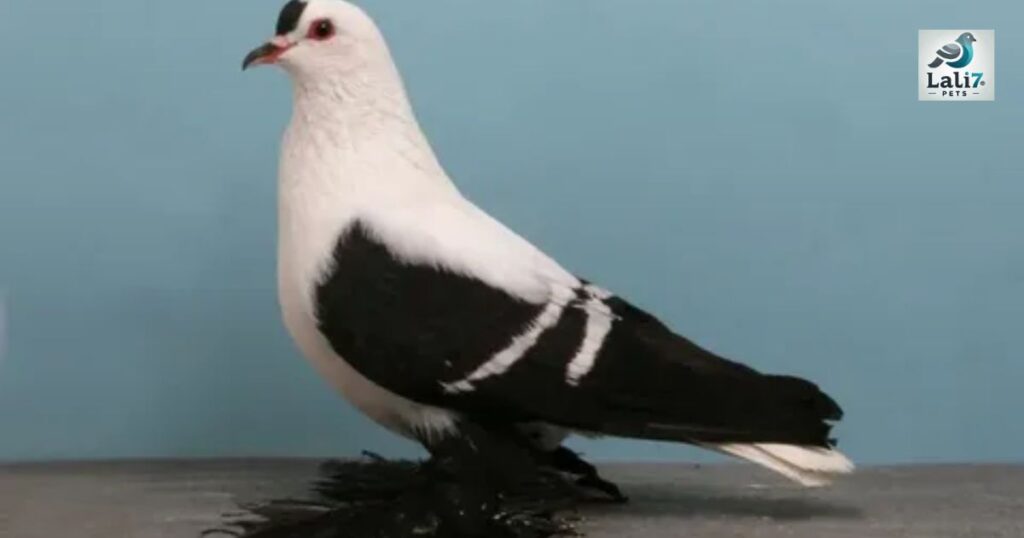
Many people only know the common street pigeon (Rock Dove). However, fancy pigeons are the “designer dogs” of the bird world. There are over 200 recognized pigeon breeds, ranging from birds that look like chickens to birds with feathers covering their feet!
While racing pigeons (or homing pigeons) are bred for speed and stamina, exhibition pigeons are bred for color, shape, and structure.
Major Breed Categories Recognized by the NPA
To make judging easier, the NPA groups are bred into categories. Here are a few examples:
- Wattle Pigeons: Known for the fleshy growth on their beaks. Example: Dragoon.
- Structure Pigeons: Bred for unique feather arrangements. Example: Fantail (fan-shaped tail) or Jacobin (feather hood).
- Owl & Frill Pigeons: Small birds with short beaks and a “frill” of feathers on their chest. Example: African Owl.
- Cropper & Pouter Pigeons: These birds can inflate their crops (chest) with air, looking like balloons! Example: Brunner Pouter.
- Color Pigeons: Bred for stunning feather patterns. Example: Archangel.
- Tumbler & Roller Pigeons: Historically bred for aerial acrobatics, now also shown for beauty.
The NPA Book of Standards
How does a judge know who wins? They use the NPA Book of Standards. This is the “bible” for breeders. It describes the perfect specimen of each breed in detail. Serious fanciers study this book to understand exactly what to aim for in their breeding program.
The Thrill of Competition: NPA Shows and Awards
What to Expect at an NPA Pigeon Show
Walking into a pigeon show is an electric experience. Rows of cages (coops) line the hall. Judges move methodically, using a judging stick to pose the birds.
- Local Shows: Small, friendly gatherings run by breed clubs. Great for beginners.
- Regional Shows: Larger competitions attracting fanciers from several states or counties.
- The Grand National: The Super Bowl of the pigeon world. Winning here is the ultimate honor.
Celebrating Excellence: NPA Awards and Honors
The NPA recognizes hard work with prestigious awards.
- Master Breeder: Awarded to fanciers who consistently produce top-quality birds over many years.
- Master Judge: For experts who have demonstrated exceptional knowledge of the standards.
- Junior Merit Awards: Recognizing outstanding young people in the hobby.
You can find past winners and show results in pigeon databases on the NPA website.
Responsible Pigeon Keeping: Care, Welfare, and Ethics
This section is vital. You cannot have a champion bird without excellent care.
Setting Up Your Pigeon Loft: Essential Considerations
Your birds’ home is called a loft. Pigeon loft construction doesn’t have to be expensive, but it must be functional.
- Dryness: Dampness is the enemy. A dry floor prevents disease.
- Ventilation: Fresh air must circulate without creating drafts.
- Sunlight: Pigeons love the sun; it helps them process vitamins.
- Predator Proofing: Use strong wire to keep out rats, cats, and hawks.
Daily Care and Nutrition for Healthy Pigeons
Pigeon diet and nutrition is more than just throwing bread on the ground (in fact, never feed them bread!).
- Grain Mix: Use a commercial pigeon mix containing peas, corn, wheat, and milo.
- Grit: Pigeons have no teeth. They eat small stones (grit) to grind food in their gizzard.
- Fresh Water: This is non-negotiable. Change it daily.
- Supplements: Vitamins and minerals are often added to the water, especially during breeding or molting seasons.
Common Pigeon Health Issues and Preventive Measures
A healthy bird is alert with bright eyes and smooth feathers. Watch out for:
- Canker: A common organism found in most pigeons; stress can cause it to flare up.
- Worms: Internal parasites that rob the bird of nutrition.
- Lice/Mites: External parasites that damage feathers.
Tip: Keep a basic first-aid kit and know the contact info for a vet who treats birds. Resources like pipa. be often have excellent veterinary articles.
Found a Lost Pigeon? What to Do
This is a major reason people search for the NPA. You found a bird with a band in your garden. It’s likely a tired homing pigeon or a lost fancy bird.
Step-by-Step Guide for Found Pigeons:
- Contain the Bird: Gently catch it and put it in a box or cat carrier.
- Water and Food: Provide water immediately. Bird seed, rice, or unpopped popcorn works in a pinch.
- Read the Ring: Look for the letters.
- NPA: National Pigeon Association (Fancy bird).
- AU / IF: Racing Pigeon organizations.
- Contact the Organization:
- Use the “Report a Stray” feature on the NPA USA or NPA UK websites.
- They will help you identify the owner of a lost pigeon.
Engaging with the Pigeon Community: Beyond Shows
Resources for Junior Fanciers
The future of the hobby lies with the youth. The NPA offers fantastic junior fanciers programs. These often include mentorships where an experienced breeder helps a child get started with their first pair of birds. It teaches responsibility, biology, and sportsmanship.
Educational Publications
Knowledge is power. The NPA publishes pigeon books and magazines that are goldmines of information. Whether you are looking for pigeon breeding guides or history, these publications are curated by experts.
The Future of the National Pigeon Association
The NPA is constantly evolving. Today, they are focusing heavily on:
- Conservation: Preserving rare variety pigeon clubs and breeds that are at risk of extinction.
- Inclusivity: Ensuring the hobby is welcoming to everyone.
- Digital Growth: Making pigeon care tips and show entries accessible online.
Conclusion: Embrace the Joy of Pigeon Fanciership
Pigeons are remarkable creatures. They are symbols of peace, athletes of the sky, and works of living art. The National Pigeon Association serves as the guardian of this legacy, providing the structure and support needed for the hobby to thrive.
Whether you want to breed the next Grand National Champion or simply enjoy the company of these gentle birds in your backyard, the NPA is there to guide you.
Ready to start your journey? Visit the National Pigeon Association website today, sign up for a membership, and spread your wings into the wonderful world of the pigeon fancy.
Frequently Asked Questions (FAQs)
What is the National Pigeon Association (NPA)?
The NPA is an organization dedicated to the promotion, education, and standardization of fancy (exhibition) pigeons. There are separate NPA organizations for different countries, notably in the USA and Great Britain.
How do I become a member of the NPA?
You can become a member by visiting their official website (e.g., npausa.com for the US or nationalpigeonassociation.org for the UK). Look for the “Membership” section, choose your plan (Individual, Family, or Junior), and pay the annual fee online.
What should I do if I find a lost fancy pigeon?
First, contain the bird to keep it safe from predators. Provide fresh water and grain (or bird seed). Check the leg band for identification. If it says “NPA,” contact the National Pigeon Association to report the stray bird.
How can I identify the owner of a lost pigeon by its leg band?
The leg band contains a code with the organization year, year of birth, and a unique serial number. You can input this information into the “Lost Bird” databases on national association websites to find the club or secretary who can trace the owner.
What types of pigeon breeds are recognized by the NPA?
The NPA recognizes hundreds of breeds, categorized into groups like Wattle Pigeons, Structure Pigeons (e.g., Fantails), Owls & Frills, Tumblers, and Color Pigeons.
Where and when are the NPA pigeon shows held? Shows are held seasonally, usually in the autumn and winter months. You can find a full calendar of local, regional, and national shows on the NPA website under “Show Schedule.”
What are the benefits of joining a national pigeon association? Benefits include the right to buy official leg bands (rings), eligibility to enter shows, subscription to the association’s magazine/newsletter, and access to a community of expert breeders.
Does the NPA offer awards for pigeon fanciers or pigeons?
Yes. The NPA offers awards such as Master Breeder, Master Judge, and various Hall of Fame honors. Pigeons can also win “Champion” titles at shows.
What is the history behind the National Pigeon Association?
The NPA (USA) was founded in 1920, while the British counterpart has roots going back even further. Both were established to organize the hobby, create breed standards, and unite fanciers.
Are there resources for young people interested in pigeon keeping?
Absolutely. The NPA places a high priority on junior fanciers. They offer discounted memberships, youth awards, and scholarship programs to encourage the next generation of pigeon keepers.