
If you have ever looked at a city bird bobbing its head on a sidewalk and wondered if it is related to the symbol of peace released at weddings, you are not alone. The confusion between pigeons and doves is one of the most common misunderstandings in the birding world.
The short answer is: Yes, Are Pigeons and Doves the Same.
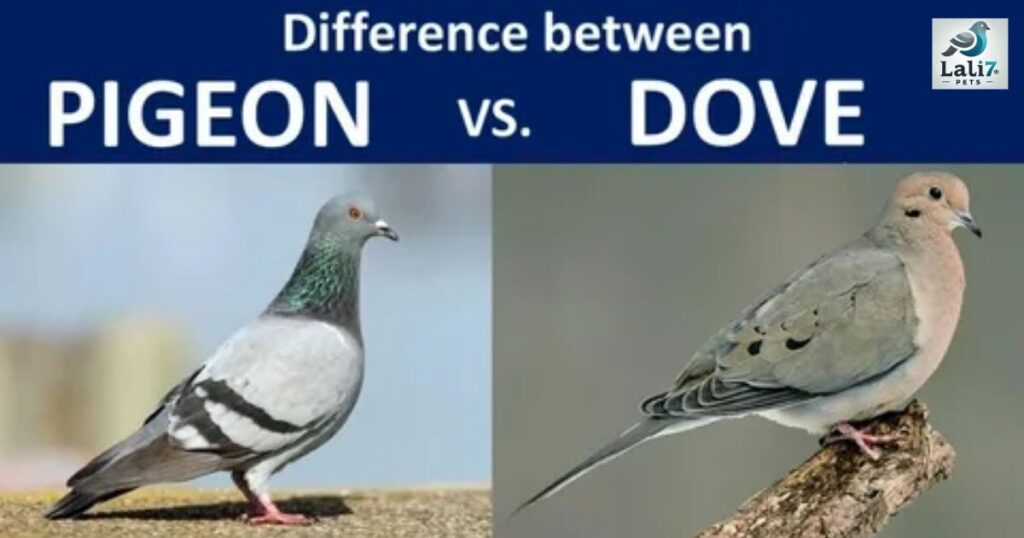
There is no strict biological distinction between the two. They share the same anatomy, the same behaviors, and the same genetic lineage. However, in everyday language, we use the terms differently based on size, color, and location.
Below, we break down exactly why science groups them together, why language separates them, and how you can spot the subtle differences between the birds we call “doves” and those we call “pigeons.”
- The Scientific Reality: Are Pigeons and Doves the Same
- The Colloquial Distinction: Size and Appearance
- The "Rock Dove": The Bird You Know as a Pigeon
- The "Dove" Mystique: Symbols and Misconceptions
- Shared Behaviors and Lifestyle
- Diversity in the Family Columbidae
- Why The Reputation Gap Exists
- FAQ: Are Pigeons and Doves the Same
- Conclusion: Are Pigeons and Doves the Same
The Scientific Reality: Are Pigeons and Doves the Same
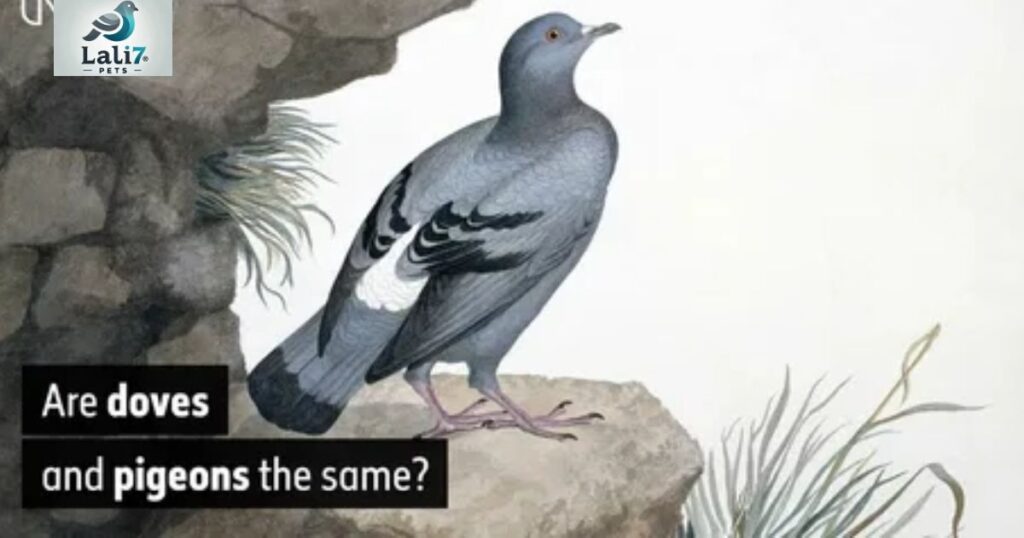
To an ornithologist (a scientist who studies birds), the words “pigeon” and “dove” are largely interchangeable. Both types of birds belong to the exact same animal family: Columbidae.
This family sits within the order Columbiformes. While there are over 300 to 350 different species within this family, they all share the same fundamental DNA. Whether you are looking at a tiny Diamond Dove or a massive Victoria Crowned Pigeon, you are looking at a member of the Columbidae family.
The difference in naming is linguistic, not biological. The word “pigeon” comes from the French pijon, referring to a squeaking young bird, while “dove” has Germanic and Norse roots (duva). Over centuries, English speakers adopted both words, eventually assigning them to birds of different sizes, even though nature makes no such distinction.
Key Biological Similarities
Because they are the same type of bird, all Columbidae share specific traits that set them apart from other avian families:
- ** Stout Bodies:** They generally have chunky bodies, small heads, and short necks.
- ** Unique Parenting:** Both male and female parents produce a substance called crop milk (or pigeon milk) to feed their young.
- ** Anatomy:** Interestingly, members of this family generally lack a gall bladder.
- ** Beaks:** They possess slender bills with a fleshy, soft covering at the base called a cere.
The Colloquial Distinction: Size and Appearance
While science sees them as equals, the English language and casual birdwatchers have created a system to tell them apart. This “rule of thumb” helps people describe what they are seeing, even if it isn’t scientifically rigorous.
Generally, the term dove is reserved for species that are smaller, more delicate, and possess pointed tails. Conversely, pigeon is usually the label given to larger, stouter birds with squared-off tails.
Visual and Behavioral Differences (Colloquial)
This table outlines how most people distinguish between the two groups in everyday life. Note that these are general trends, not strict scientific rules.
| Feature | “Dove” Archetype | “Pigeon” Archetype |
|---|---|---|
| Body Size | Typically smaller, slender, and more delicate | Generally larger, chunkier, and heavier |
| Tail Shape | Often long, tapered, and pointed (e.g., Mourning Dove) | Usually shorter, straighter, and squared-off |
| Coloration | Softer tones such as tan, brown, pinkish-gray, or white | More varied colors, often gray, blue-gray, or iridescent patterns |
| Primary Habitat | Commonly found in woodlands, rural backyards, and shrubs | Mostly associated with urban areas, buildings, and cliffs |
| Flight Speed | Moderate speed; Mourning Doves can reach up to 55 mph | Very fast; racing pigeons can exceed 90 mph |
The “Rock Dove”: The Bird You Know as a Pigeon

The bird most people visualize when they hear the word “pigeon” is the Rock Pigeon (or Rock Dove). Scientifically known as Columba livia, this is the gray bird seen pecking at crumbs in city squares worldwide.
Historically, these birds nested on rocky sea cliffs. As humans built cities, these birds adapted perfectly, viewing skyscrapers and window ledges as artificial cliffs.
The Domestication Connection
It is important to note that the feral pigeons found in cities are actually descendants of escaped domestic pigeons. Humans have bred Columba livia for thousands of years for food, message delivery, and companionship.
The incredible homing ability of the Rock Dove is legendary. This specific species was selectively bred to find its way home over hundreds of miles. This led to the creation of the “homing pigeon” and the sport of pigeon racing. While a wild Mourning Dove is fast, a trained racing pigeon is an athletic powerhouse, capable of reaching speeds that far outstrip its smaller “dove” cousins.
The “Dove” Mystique: Symbols and Misconceptions
When people think of a “dove,” they usually imagine a pure white bird symbolizing peace, purity, or love. This image is deeply ingrained in culture and religion. However, the bird industry often plays a trick on the public regarding this imagery.
The Truth About Wedding Doves
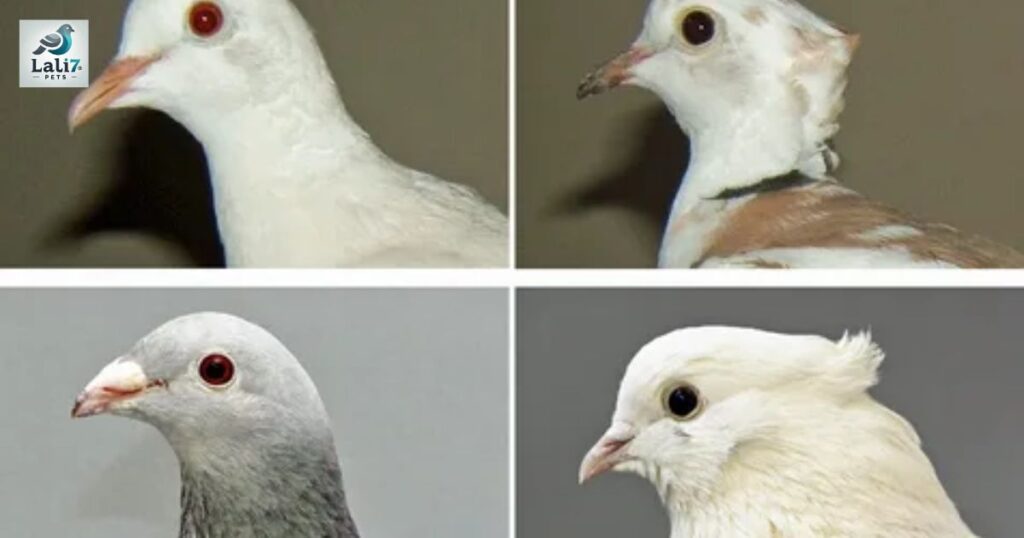
Many “white doves” released at weddings or ceremonies are not actually doves in the colloquial sense. They are often white Homing Pigeons.
Why use pigeons instead of doves? It comes down to survival and instinct.
- Homing Instinct: As mentioned, rock pigeons have a powerful homing instinct. If released, they will fly back to their coop.
- Survival: Small ring-neck doves or white doves kept as pets generally lack strong homing abilities and are not strong flyers over long distances. Releasing a “true” dove into the wild is often a death sentence for the bird, as it cannot find its way home and is vulnerable to predators.
Therefore, the symbol of peace released into the sky is usually a Rock Dove with white plumage—proving once again that the line between the two is virtually non-existent.
Shared Behaviors and Lifestyle
Whether you call them pigeons or doves, their daily lives follow a very similar pattern. Understanding these behaviors helps in identifying them in the wild.
Diet and Feeding (Granivory and Frugivory)
Both groups are primarily vegetarians. Their diet consists heavily of seeds (granivory) and fruits (frugivory). Some species also consume leaves and foliage. Unlike many other birds, they do not rely heavily on insects, although they may eat them occasionally.
Because they eat so many dry seeds, they need to drink a lot of water. Most birds have to scoop water into their beaks and tilt their heads back to swallow. However, members of the Columbidae family can suck water directly through their beaks like a straw, allowing them to drink much faster and stay vulnerable for less time.
Courtship and Reproduction
The phrase “lovey-dovey” exists for a reason. These birds are generally monogamous and are known for affectionate courtship rituals. You will often see them preening each other’s feathers.
- Nesting: They build relatively flimsy nests of twigs, usually laying one or two white eggs.
- The Squab: A baby pigeon or dove is called a squab.
- Parental Care: This is where the family truly stands out. Both the male and female parents produce crop milk. This is a secretion from the lining of the crop (a food storage pouch in the throat) that is rich in fat and protein. It is essentially the bird equivalent of mammal milk, allowing squabs to grow at an incredibly rapid rate.
Diversity in the Family Columbidae
To truly understand that size is the only real divider, one must look at the extremes of the family tree. The species diversity is massive, ranging from tiny, fragile birds to large, ground-dwelling giants.
The Smallest Members
The Common Ground-Dove (Columbina passerina) is one of the smallest pigeons in the world. It weighs only about 30 grams—roughly the same as a single AA battery. These tiny birds are often found in the southern United States and parts of Central America. Their small size and soft cooing fit the colloquial definition of a “dove” perfectly.
The Largest Members
On the other end of the spectrum is the Victoria Crowned Pigeon or the Western Crowned Pigeon. Native to New Guinea, these birds are stunningly large, weighing over 2 kilograms (4 to 9 pounds). They are nearly the size of a turkey. despite being a “pigeon,” they have an elegant crest of feathers on their heads. If the “pigeon vs. dove” size rule were strict, this giant bird would definitely be the ultimate pigeon.
Identifying Common Species
- Mourning Dove: Recognized by its sad, cooing sound (hoo-oo-oo), tan color, and long pointed tail. It is a common backyard visitor.
- Eurasian Collared Dove: A pale, sandy-gray bird with a distinctive black half-collar on the back of its neck. It has spread rapidly across North America and Europe.
- Band-tailed Pigeon: Resembles the Rock Pigeon but lives in forests (especially oak and conifer) and has a white band on the back of its neck.
Why The Reputation Gap Exists
If they are the same bird, why do we view them so differently?
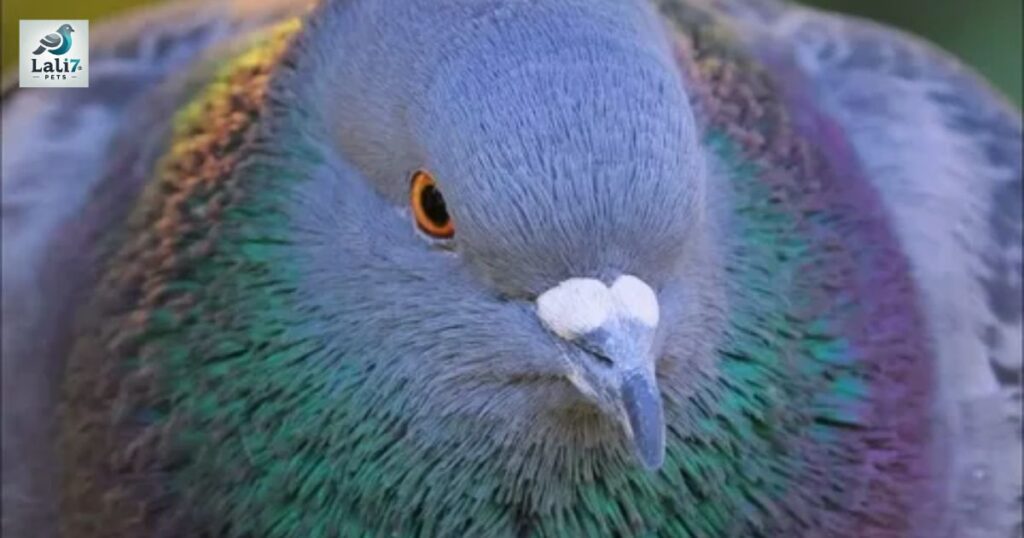
Pigeons (specifically feral Rock Pigeons) suffer from their success. Because they adapted to eat human trash and live in dirty urban environments, they acquired the nickname “rats with wings.” Their populations can explode in cities, leading to droppings on buildings and statues.
Doves, particularly the Mourning Dove, remained in rural and suburban areas. They are associated with nature, quiet mornings, and clean environments.
This reputation gap is purely environmental. A Rock Pigeon living in its natural habitat—wild sea cliffs—is a majestic, fast-flying bird. Conversely, a dove trapped in an urban environment would likely scavenge just as a pigeon does. It is our perception of their habitat, not their biology, that drives the distinction.
FAQ: Are Pigeons and Doves the Same
What is the scientific difference between a pigeon and a dove?
There is no scientific difference. Both belong to the family Columbidae and the order Columbiformes. The distinction is purely linguistic and based on physical size rather than genetics.
Why are some birds called pigeons and others doves if they are the same?
The English language adopted “pigeon” from French and “dove” from Germanic/Norse roots. Over time, “dove” became associated with smaller species with pointed tails, while “pigeon” was applied to larger, chunkier species.
Do doves and pigeons have different habitats?
Colloquially, yes. “Pigeons” (Rock Doves) are associated with urban areas and concrete structures. “Doves” are typically associated with woodlands, rural farmland, and suburban gardens. However, many species of pigeons live in deep forests, and many doves can be found near human settlements.
Are white pigeons actually doves?
Usually, yes. The white birds released at weddings or used by magicians are typically white Homing Pigeons (Rock Doves). They are used because they can be trained to return home, whereas wild doves cannot.
What do pigeons and doves eat?
They are primarily granivorous (seed-eaters) and frugivorous (fruit-eaters). They consume seeds, grains, fruits, and sometimes insects. Both parents feed their young a substance called crop milk.
How fast can pigeons and doves fly?
They are fast fliers. A Mourning Dove can fly up to 55 mph. However, trained racing pigeons (Rock Pigeons) are significantly faster, capable of speeds exceeding 90 mph.
What are baby doves and pigeons called?
The young of both pigeons and doves are referred to as squabs.
Why don’t pigeons and doves use the “scoop” method to drink water?
Unlike most birds that scoop water and tilt their heads back, Columbidae have the unique ability to suck water up through their bills, acting like a straw. This allows them to drink quickly in open areas where predators might see them.
Conclusion: Are Pigeons and Doves the Same
Next time you see a gray bird on a park bench or hear a soft coo from the telephone wire, remember that you are witnessing members of the same incredible family. Whether we call them pigeons or doves, they are Columbidae—adaptable, intelligent, and devoted parents. The difference lies not in their feathers or their DNA, but in the words we choose to describe them.