
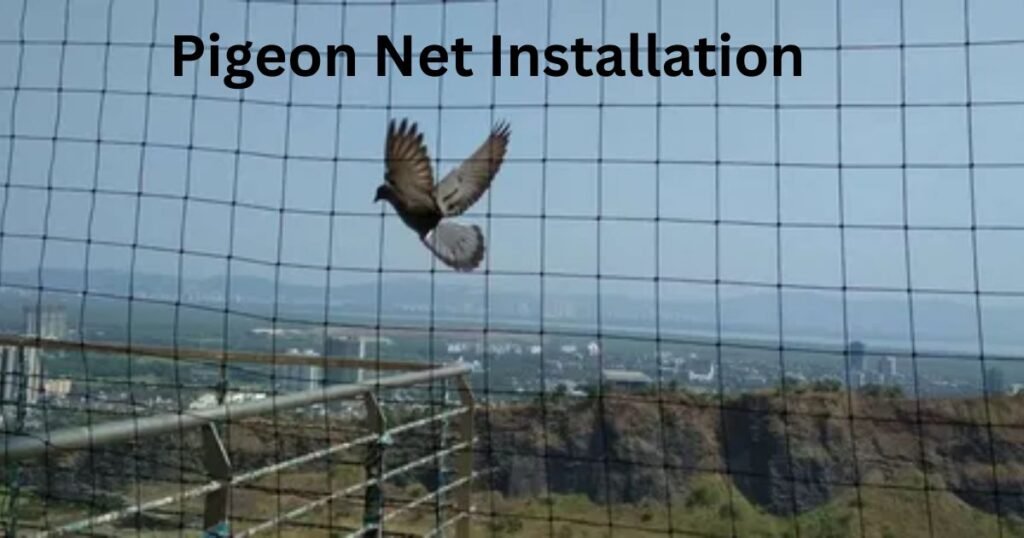
Pigeons may appear harmless when they visit your balcony, terrace, or rooftop occasionally. However, when they begin nesting, leaving droppings, creating noise, and damaging property, they can quickly become a serious problem.
For many homeowners, apartment residents, and business owners, pigeon net installation has become one of the most effective and humane ways to prevent unwanted bird entry. A properly installed pigeon protection net creates a safe barrier that keeps pigeons away without harming them while allowing fresh air and natural light to enter your space.
Whether you want to protect your balcony, rooftop, windows, solar panels, or commercial property, a professionally fitted bird netting installation provides a long-lasting solution.
This detailed guide explains everything you need to know about pigeon net installation, including its benefits, installation process, material selection, maintenance tips, and answers to common questions.
- What Is Pigeon Net Installation?
- Why Do You Need Pigeon Net Installation?
- Benefits of Professional Pigeon Net Installation
- Bird Netting Installation Cost: What You Should Know
- How to Install Bird Netting on Balcony
- Balcony Net Installation Near Me: Choosing the Right Service
- How to Install Bird Netting on Roof
- Bird Netting for Roof: Protecting Large Open Areas
- How to Install Bird Netting on Solar Panels
- How to Install Bird Netting Under Eaves
- How to Install Bird Netting on Trees
- Materials Used in Pigeon Protection Nets
- Step-by-Step Pigeon Net Installation Process
- Common Signs You Need Pigeon Net Installation
- Maintenance Tips for Your Pigeon Net
- Frequently Asked Questions About Pigeon Net Installation
- Final Thoughts: Choose Professional Pigeon Net Installation for Long-Term Protection
What Is Pigeon Net Installation?
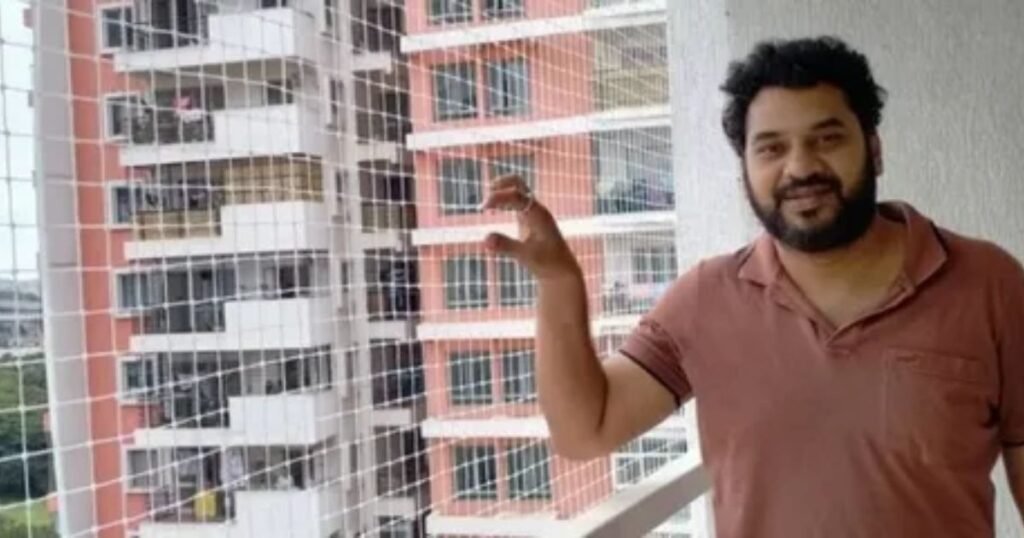
Pigeon net installation is the process of fixing strong and durable bird-control nets around open spaces to prevent pigeons and other birds from entering, nesting, or causing damage.
Unlike harmful bird control methods, pigeon nets work by creating a physical barrier. They do not trap or injure birds. Instead, they simply stop birds from accessing protected areas.
A professionally installed bird protection net can be customized for different locations, including:
- Balconies
- Windows
- Terraces
- Rooftops
- Building shafts
- Air conditioning units
- Solar panels
- Warehouses
- Factories
- Commercial buildings
The installation process involves measuring the area, selecting the right net material, fixing secure anchors, and ensuring the net is properly tightened.
For more information about humane approaches to managing birds, you can explore guidelines from organizations such as The Humane Society of the United States.
Why Do You Need Pigeon Net Installation?
Many people tolerate pigeons at first, thinking the issue is temporary. However, pigeons often return to the same location because they find balconies, rooftops, and ledges comfortable for resting and nesting.
For example, one apartment resident noticed that his balcony needed cleaning every morning because pigeons repeatedly returned. After trying reflective objects and regular cleaning without success, he installed a balcony pigeon net. Within days, the balcony became clean, quiet, and usable again.
Here are the main reasons property owners choose pigeon net installation:
Prevents Pigeon Droppings and Cleaning Problems
Pigeon droppings can quickly cover:
- Balcony floors
- Window areas
- Outdoor furniture
- Railings
- Rooftops
Regular cleaning becomes frustrating and time-consuming. A quality pigeon protection net prevents birds from accessing these areas, reducing maintenance requirements.
Protects Your Property
Bird droppings contain acidic compounds that may damage:
- Paint
- Metal surfaces
- Tiles
- Concrete
- Outdoor equipment
Additionally, nesting materials such as feathers, twigs, and leaves can block drainage systems and create maintenance issues.
Installing a durable bird netting system helps protect your property investment.
Improves Hygiene and Safety
Large numbers of pigeons can create unhygienic conditions around homes and workplaces. Their droppings and nesting materials may attract insects and increase cleaning requirements.
This is especially important for:
- Homes with children
- Restaurants
- Schools
- Hospitals
- Offices
- Food storage areas
A properly installed bird exclusion net helps maintain a cleaner environment.
Benefits of Professional Pigeon Net Installation
Choosing professional installation offers several advantages compared with temporary solutions.
1. Humane Bird Control
A professionally installed pigeon net prevents birds from entering protected areas without causing injury.
Unlike harmful methods, netting simply redirects birds toward safer locations.
2. Long-Term Protection
High-quality UV-resistant pigeon nets are designed for outdoor conditions. They can withstand:
- Sunlight
- Rain
- Wind
- Temperature changes
With proper care, premium nets can provide reliable protection for many years.
3. Customized Solutions
Every property has a different structure. Professional installers customize the net according to:
- Area dimensions
- Building design
- Bird activity
- Installation location
This ensures complete coverage without unwanted gaps.
4. Better Appearance
Modern transparent pigeon nets are designed to blend with your property. They allow light and airflow while maintaining a neat appearance.
Bird Netting Installation Cost: What You Should Know
One of the most common questions property owners ask is: “What is the bird netting installation cost?”
The price depends on several factors, including:
- Size of the installation area
- Type of net material
- Quality of fittings
- Location difficulty
- Labour charges
- Customization requirements
For example, a small balcony usually requires less material and labour compared with a large rooftop or industrial installation.
Although cheaper options may seem attractive initially, poor-quality nets or incorrect installation can lead to sagging, damage, and repeated expenses.
Investing in professional pigeon net installation provides better value because it offers:
- Longer lifespan
- Better protection
- Improved appearance
- Reduced maintenance costs
How to Install Bird Netting on Balcony
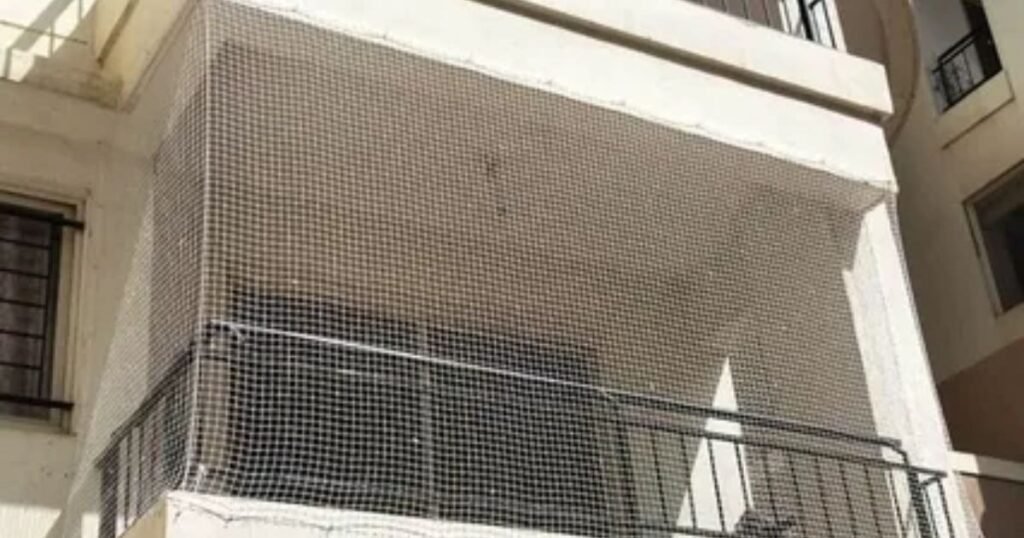
Many homeowners search for how to install bird netting on balcony because balconies are among the most common areas affected by pigeons.
The basic installation process includes:
Step 1: Measure the Balcony Area
Accurate measurements are essential. The net must cover the complete opening without leaving spaces where pigeons can enter.
Step 2: Select Suitable Net Material
A strong HDPE bird net is commonly used because it is lightweight, durable, and resistant to outdoor conditions.
Step 3: Install Fixing Points
Hooks, clamps, and supporting wires are attached securely around the balcony frame.
Step 4: Attach and Tighten the Net
The net is fixed carefully and stretched evenly to prevent loose sections.
Step 5: Inspect the Installation
Professionals check for gaps, weak points, and proper tension.
Although DIY installation may appear simple, professional balcony net installation ensures better safety, durability, and appearance.
Balcony Net Installation Near Me: Choosing the Right Service
When searching for balcony net installation near me, it is important to choose an experienced service provider rather than only comparing prices.
A reliable installer should provide:
- Quality materials
- Proper measurements
- Secure fittings
- Professional finishing
- After-installation support
Before hiring a service, check:
- Previous installation experience
- Customer reviews
- Material quality
- Warranty or service support
A professional installer can recommend the best pigeon net solution based on your balcony structure.
How to Install Bird Netting on Roof
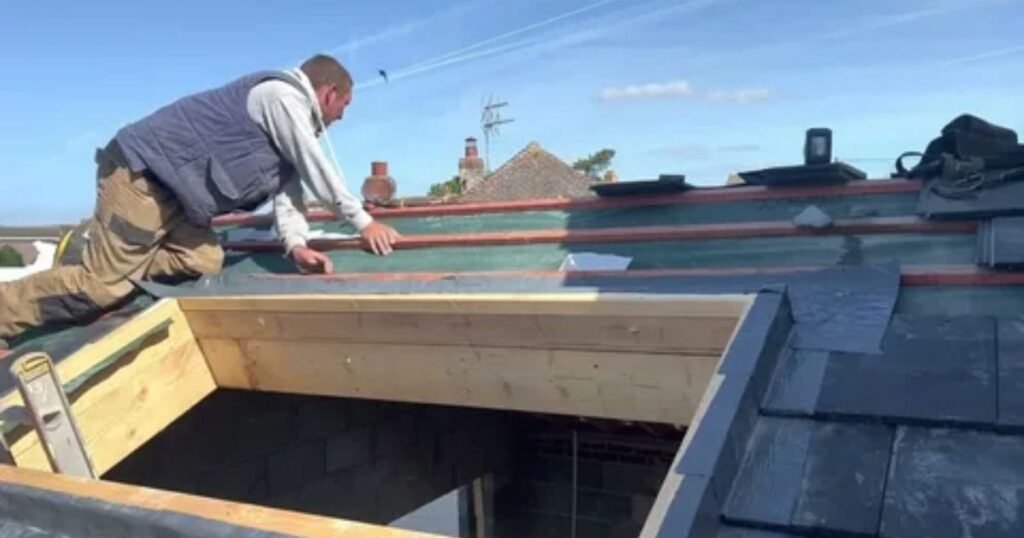
Many property owners also search for how to install bird netting on roof because rooftops provide ideal nesting spaces for pigeons.
The process generally includes:
- Inspecting the rooftop area.
- Identifying common bird entry points.
- Selecting suitable bird netting for roof applications.
- Installing strong anchor points.
- Fixing the net securely around the protected area.
For large rooftops, professional installation is recommended because working at height requires proper safety equipment and experience.
Bird Netting for Roof: Protecting Large Open Areas
Bird netting for roof applications are commonly used for:
- Apartment buildings
- Commercial properties
- Warehouses
- Factories
- Parking structures
A strong rooftop net prevents pigeons from gathering while protecting equipment and reducing cleaning costs.
Roof installations usually require:
- Weather-resistant materials
- Strong fixing systems
- Proper tensioning
- Regular inspections
How to Install Bird Netting on Solar Panels
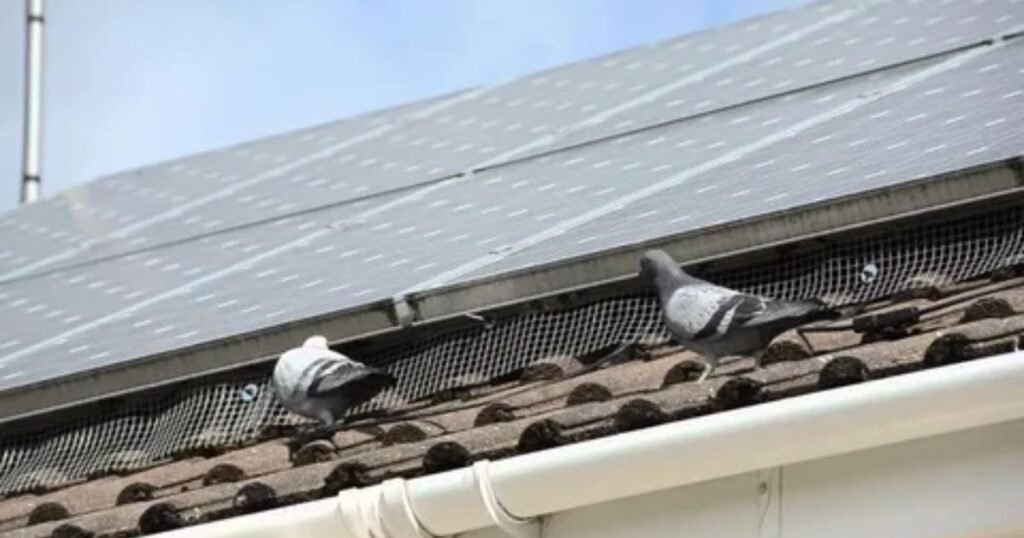
Solar panels often attract pigeons because the space underneath provides shelter and warmth.
Many property owners search for how to install bird netting on solar panels to prevent:
- Nest building
- Droppings accumulation
- Wiring damage
- Reduced solar efficiency
The installation process usually involves:
- Cleaning the area around the solar panels.
- Measuring the panel edges.
- Installing protective clips or supports.
- Attaching the net around the panels.
- Checking that no gaps remain.
A properly installed solar panel bird net protects your investment without affecting sunlight exposure.
How to Install Bird Netting Under Eaves
Building edges and roof overhangs often become nesting spots because they provide shade and protection.
If you are wondering how to install bird netting under eaves, the process involves:
- Inspecting the eave structure
- Measuring the open sections
- Installing secure fixing points
- Attaching the net tightly underneath the overhang
This method is especially useful for homes, warehouses, and commercial buildings where birds repeatedly nest near roof edges.
How to Install Bird Netting on Trees
Trees can sometimes become attractive nesting areas near homes and commercial spaces.
For those searching how to install bird netting on trees, the approach depends on the purpose.
Tree netting may be used for:
- Protecting fruit trees
- Preventing bird damage
- Protecting gardens
The net must be installed carefully to avoid harming wildlife. Always ensure the netting is suitable for the intended purpose and installed responsibly.
Materials Used in Pigeon Protection Nets
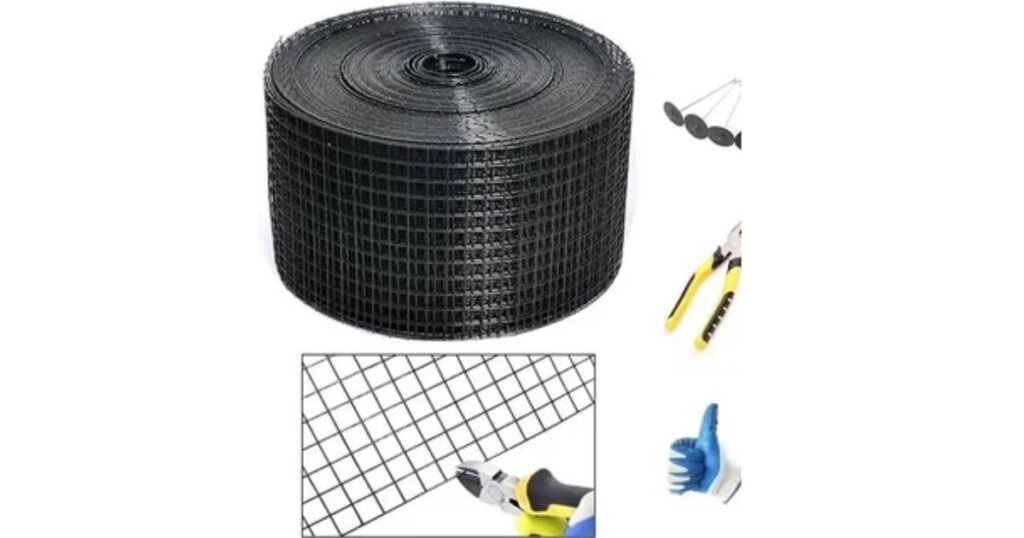
Professional pigeon nets are made using durable materials designed for outdoor use.
Common features include:
- High-density polyethylene (HDPE)
- UV resistance
- Weather resistance
- High tensile strength
- Lightweight construction
- Long service life
The correct mesh size is also important. A suitable mesh prevents pigeons from entering while allowing airflow and natural light.
Step-by-Step Pigeon Net Installation Process
A professional installation usually follows these steps:
1. Site Assessment
Experts inspect the location and identify bird activity patterns.
2. Measurement
The installation area is measured carefully to ensure complete coverage.
3. Material Selection
The correct net type is selected according to location and environmental conditions.
4. Fixing Installation
Anchors, hooks, and supports are installed securely.
5. Net Attachment
The net is stretched and fixed properly to create a strong barrier.
6. Final Inspection
The completed installation is checked for:
- Gaps
- Loose areas
- Weak fittings
- Overall appearance
Common Signs You Need Pigeon Net Installation
You may need a bird protection system if you notice:
- Frequent pigeon visits
- Bird droppings
- Nesting materials
- Feathers around outdoor areas
- Constant bird noise
- Dirty windows
- Birds sitting near air conditioners
Installing a net early can prevent bigger problems later.
Maintenance Tips for Your Pigeon Net
Although pigeon nets require very little maintenance, regular checks help extend their lifespan.
Follow these simple tips:
- Inspect the net periodically.
- Remove leaves and debris.
- Check fixing points.
- Repair small damage quickly.
- Avoid putting pressure on the net.
Proper maintenance keeps your bird netting system effective for years.
Frequently Asked Questions About Pigeon Net Installation
What is the bird netting installation cost?
The bird netting installation cost depends on the net quality, installation area size, location, and complexity of the fitting process.
How is pigeon net installed?
A pigeon net is installed by measuring the area, fixing secure anchors, attaching the net tightly, and checking for gaps to ensure complete bird protection.
What is the best nest for pigeons?
The best nest for pigeons is a safe, dry, and sheltered space where they can rest comfortably and protect their eggs.
What month do pigeons lay their eggs?
Pigeons can lay eggs throughout the year, but breeding activity is generally higher during warmer months when food and nesting conditions are favorable.
How can I attract pigeons to nest?
You can attract pigeons by providing sheltered spaces, nesting materials, and easy access to food and water.
What food attracts pigeons the most?
Pigeons are commonly attracted to grains and seeds such as wheat, millet, corn, and other small seeds.
Final Thoughts: Choose Professional Pigeon Net Installation for Long-Term Protection
Pigeons can quickly turn clean balconies, terraces, rooftops, and commercial spaces into areas that require constant cleaning and maintenance.
A professionally installed pigeon net installation system provides a safe, effective, and long-lasting solution. It protects your property, improves hygiene, reduces maintenance work, and creates a cleaner living environment.
Whether you need balcony net installation, bird netting for roof, solar panel protection, or commercial bird control, choosing a reliable professional service ensures better results.
A quality pigeon protection net is not just a barrier—it is a smart investment that helps you enjoy a cleaner, quieter, and more comfortable property while keeping birds safe.