
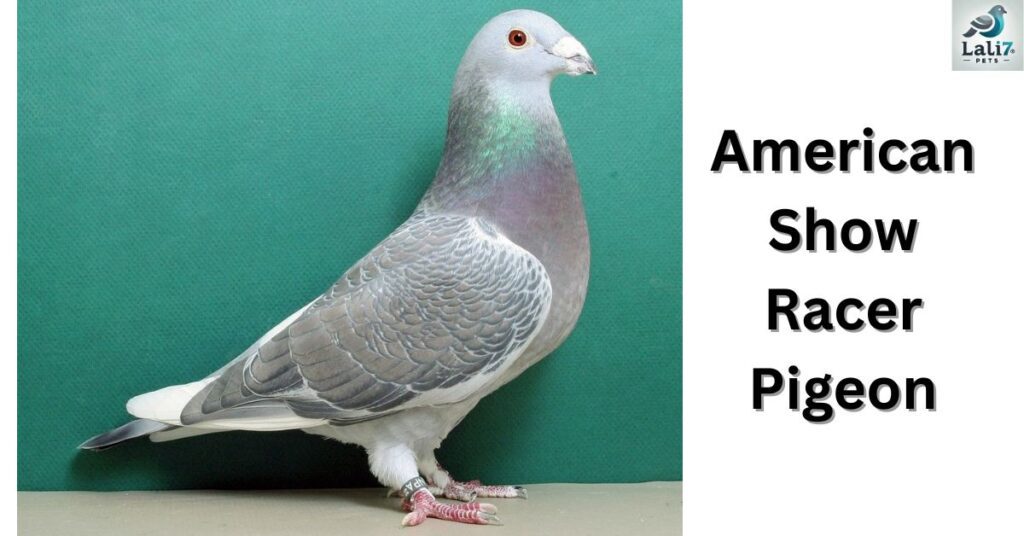
The American show racer pigeon is one of the most stunning breeds in the world of fancy pigeon keeping. Many people confuse them with standard Racing Homers, but these birds are bred strictly for their beauty and poise. If you want to understand this breed’s unique needs, you have come to the right place.
These birds are often called the Bird of Dignity because of their proud stance and elegant appearance. They possess a powerful look that captures the heart of pigeon fanciers everywhere. However, owning one requires more than just a simple coop and some seeds.
In this guide, we will cover everything from pigeon care to winning ribbons at pigeon shows. By the end, you will be an expert on how to feed, breed, and house this magnificent domestic pigeon. Let’s dive into the world of the American Show Racer.
- What is an American Show Racer?
- Physical Attributes and Breed Standards
- Temperament and Behavior
- Housing and Loft Hygiene
- Comprehensive Diet and Nutrition
- Breeding the American Show Racer
- Showing Your Bird: Training and Standards
- Health Issues and Lifespan
- Cost and Buying Guide
- Conclusion
- Frequently Asked Questions
What is an American Show Racer?
To truly appreciate this bird, you must understand where it comes from. It is distinct from the wild Rock Dove you see in city parks. This breed is a masterpiece of selective breeding.
Origins and History
The American show racer pigeon was developed in the United States during the mid-20th century. Breeders wanted to create a bird that looked like a racing pigeon but had better physical attributes. They started with the best-looking Racing Homers they could find.
Over the decades, they selected birds for their appearance rather than their flying speed. This process created a new breed entirely, sometimes referred to as the Show Pen Racer. Today, it is recognized as a distinct breed with its own heritage.
The “Bird of Dignity” Nickname
You will often hear this breed referred to as the Bird of Dignity. This nickname comes from the way the bird carries itself. They stand tall, calm, and alert, showing off a sense of pride.
Unlike some other domestic pigeon breeds that might seem flighty or nervous, the Show Racer holds its ground. This regal behavior is a key requirement in breed standard guides. If a bird does not look dignified, it will not do well in a show.
Physical Attributes and Breed Standards
When you look at an american show racer pigeon, you should see strength and balance. The National Pigeon Association and specific clubs have strict rules on what these birds should look like.
Body Conformation and Posture
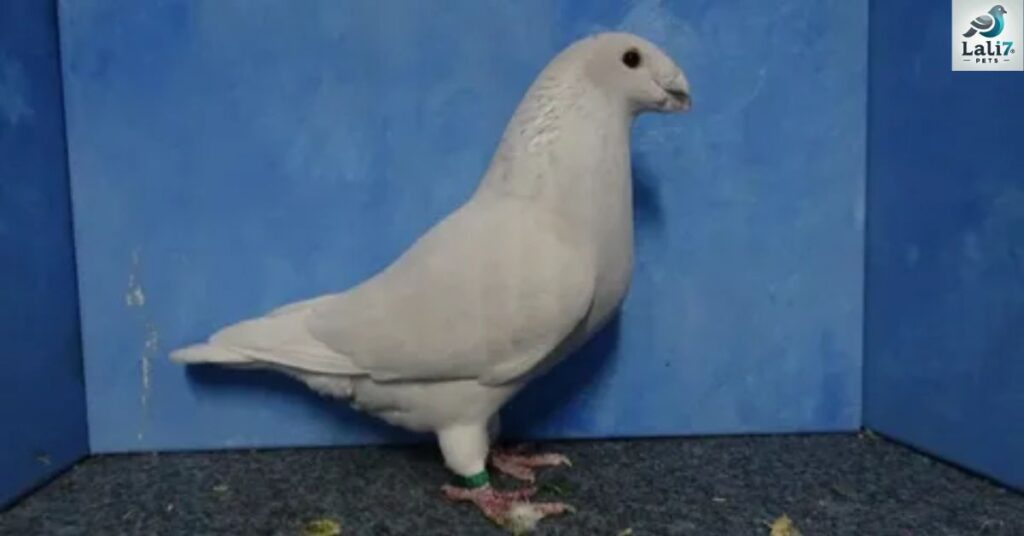
Body conformation refers to the shape and structure of the bird. This pigeon should have a smooth, wedge-shaped body that feels solid in the hand. The chest should be broad and well-rounded.
The back must be strong and taper off smoothly toward the tail. When standing, the bird should be at a roughly 45-degree angle. This posture gives them that alert, ready-for-action look that pigeon fanciers love.
Feather Quality and Common Colors
Feather quality is absolutely critical for an exhibition bird. The feathers must be tight, silky, and smooth against the body. Loose feathers are considered a major fault in the show ring.
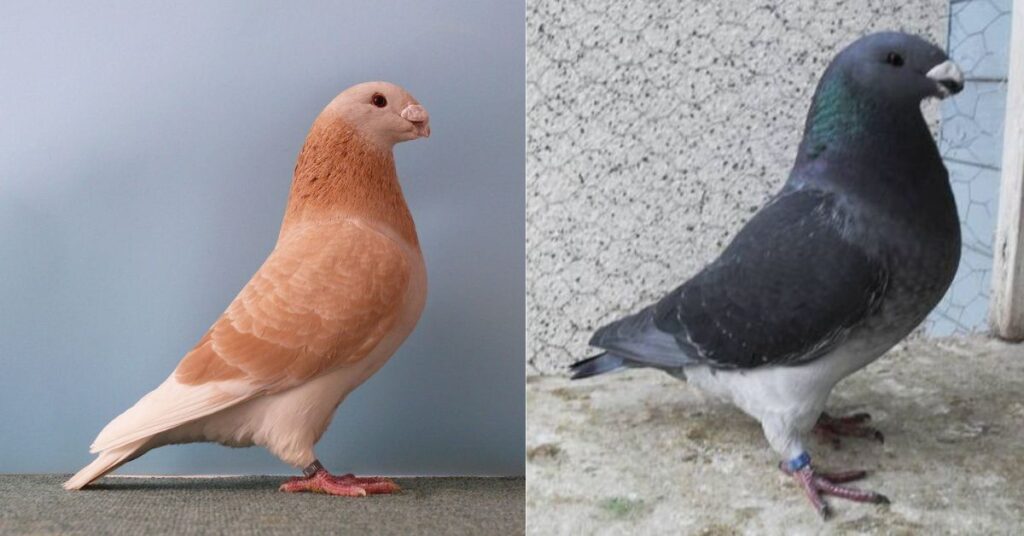
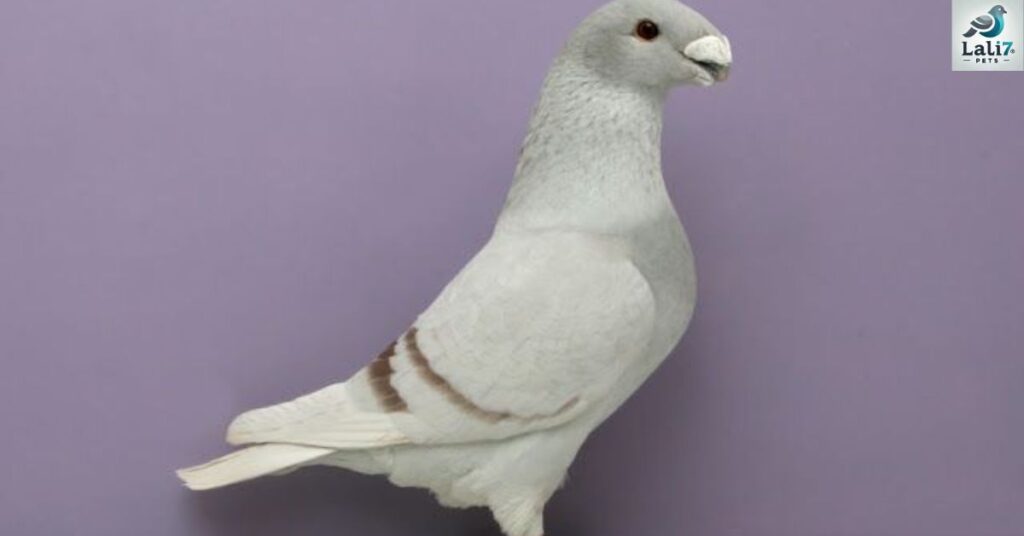
You can find these birds in many stunning pigeon colors. Common colors include blue bar, check, red, and grizzle. Breeders also work with rare pigeon colors like opal or indigo to create unique show birds.
How They Differ from Racing Homers
While they share ancestors, the American Show Racer and the racing homer are now very different. A racing pigeon is built for speed and endurance, often looking leaner.
The Show Racer is heavier and more muscular in appearance. They rarely race; their purpose is to look perfect in a pen. A racing bird might have a battered look from flying, but a show bird must be in pristine show condition.
Temperament and Behavior
Understanding pigeon behavior is vital before you bring a bird home. The temperament of this breed is a mix of energy and calmness.
Spirited vs. Calm: Understanding the Nuance
Research often describes them as “spirited,” which can be confusing. “Spirited” means they are alert and pose strongly when a judge approaches. They do not cower in the corner.
However, they generally have a calm temperament when handled by their owners. They are not aggressive. They simply have a strong presence that commands attention.
Suitability as Pet Pigeons
Because of their steady nature, they make excellent pet pigeons. They can become quite tame if you spend time with them. They are not as flighty as some performance breeds.
They interact well with humans and can recognize their owners. If you want a bird that is beautiful to look at and easy to handle, this is a great choice. They are truly a joy to have in the loft.
Housing and Loft Hygiene
Proper pigeon housing is the foundation of a healthy bird. You cannot keep a show bird in a dirty or cramped cage.
Setting Up the Perfect Loft
Your loft needs to be dry, well-ventilated, and draft-free. Each pair of birds should have their own nesting box. The American Show Racer is a larger bird, so give them plenty of space.
Perches are important for keeping their feet clean. Use box perches or V-perches to prevent them from soiling each other. Good housing protects their feather quality from getting damaged.
Cleaning and Maintenance Routines
Loft hygiene is non-negotiable for a show bird. You must scrape the floors and perches daily to remove droppings. Ammonia from waste can damage their respiratory systems.
A deep clean should happen once a week. This prevents pigeon diseases from taking hold in your flock. A clean loft equals a clean bird, which is the first step to winning a show.
Comprehensive Diet and Nutrition
You cannot raise a champion on cheap birdseed. A proper pigeon diet is a science. It changes depending on the time of year.
Everyday Feeding for Health
For general maintenance, use a high-quality grain mix. It should include peas, corn, wheat, and safflower. The protein content should be around 13% to 15% for resting birds.
Always provide fresh grit and minerals. Pigeons have no teeth, so they need grit to grind their food. Clean water must be available at all times, changed daily.
Show Condition Diet Plans
To get a bird into show condition, you need to adjust the diet. Many breeders increase oily seeds like sunflower or flaxseed before a show.
These oils make the feathers shine and look glossy. Do not overfeed, or the bird will become overweight. A fat bird will lose points for poor body conformation.
Breeding the American Show Racer
Pigeon breeding is where the art comes in. You are trying to produce a baby that is better than its parents.
Selecting the Best Pairs
You must understand pigeon genetics to breed winners. Do not just put two birds together because they are pretty. Look at their faults and try to correct them.
If a male has a chest that is slightly too narrow, pair him with a female who has a fantastic, broad chest. This is called compensatory mating. It is the secret to improving your flock.
Caring for Hatchlings and Young Birds
Pigeons are great parents. They feed their young “crop milk” for the first few days. However, you must monitor the babies closely.
Ensure the parents have plenty of food so the babies grow fast. Young American Show Racer squabs grow quickly. You need to handle them gently to start their training early.
Showing Your Bird: Training and Standards
Entering pigeon shows is the highlight for many owners. This is where you test your skills against other pigeon fanciers.
Judging Criteria and Preparation
Judges look for the standard of perfection. They use a judging stick to touch the bird and make it pose. Your bird must stand at attention, not crouch down.
Preparation starts weeks before the show. You must wash the bird’s feet and ensure every feather is perfect. You might need to trim the beak slightly if it is overgrown.
Joining the American Show Racer Association (ASRA)
The best way to learn is to join the American Show Racer Association (ASRA). This club sets the standards and organizes major events.
Being a member connects you with expert breeders. They can sell you quality stock and give you mentorship. Networking is key to success in the hobby.
Health Issues and Lifespan
A healthy bird is a happy bird. You need to be proactive about pigeon health to ensure a long life.
Common Diseases to Watch For
All domestic pigeon breeds can get sick. Common issues include Canker, Coccidiosis, and respiratory infections. Worms can also be a problem.
Watch for signs like fluffed feathers, weight loss, or watery droppings. These are red flags. Early detection usually saves the bird.
Veterinary Care and Prevention
Preventive care is cheaper than a vet bill. Vaccinate your birds against Paramyxovirus (PMV). This is a fatal disease that can wipe out a loft.
Quarantine any new birds for at least 30 days before adding them to your flock. This simple step prevents the spread of new germs. With good care, the lifespan of these birds can exceed 10 years.
Cost and Buying Guide
Buying pigeons is an investment. Prices vary wildly depending on the quality of the bird.
Initial Purchase Prices
A pet-quality American Show Racer might cost between $25 and $50. However, a show-quality bird from a champion bloodline is different.
Expect to pay $100 to $300 or more for top-tier stock. Sometimes, champion birds sell for much higher. Always buy from reputable breeders, not generic pet stores.
Ongoing Maintenance Costs
The cost of food is relatively low. A bag of feed lasts a while for a few birds. The real costs are in housing and supplements.
You will need to budget for vaccines, grit, and nesting bowls. If you travel to pigeon clubs for shows, factor in gas and entry fees. It is an affordable hobby compared to keeping larger animals.
Conclusion
The American show racer pigeon is truly a masterpiece of the avian world. They combine the strength of the Racing Homers with the elegance of an exhibition bird. Whether you want to compete in pigeon shows or just enjoy a beautiful bird in your backyard, they are a fantastic choice.
Owning them requires dedication to loft hygiene, a specific pigeon diet, and an understanding of their behavior. But the reward of seeing your “Bird of Dignity” pose perfectly is worth the effort. Start small, join the American Show Racer Association, and enjoy the journey of raising these incredible birds.
Frequently Asked Questions
Is an American Show Racer pigeon a pigeon?
Yes, it is a breed of domestic pigeon derived from the Rock Dove. It is scientifically the same species as the birds you see in the city, but it has been selectively bred by humans for specific looks and behaviors over many years.
What does an American Show Racer pigeon look like?
They are medium-sized, strong birds with a smooth, wedge-shaped body. They have a broad chest, tight feathers, and stand at a proud 45-degree angle. They look much more powerful and polished than a common feral pigeon.
What’s the life expectancy of an American Show Racer pigeon?
With proper care, a healthy diet, and a safe environment, they typically live between 10 to 15 years. Some well-cared-for birds can even live closer to 20 years, making them a long-term companion.
Where can I find the American Show Racer pigeon?
You should buy them directly from breeders who are members of pigeon clubs or the American Show Racer Association (ASRA). Avoid pet stores. You can also find them for sale at pigeon shows where you can see the quality of the bird firsthand.
Why do you never see a baby American Show Racer pigeon?
Baby pigeons, called squabs, stay in the nest for about 4 to 5 weeks. By the time they leave the nest and are visible to people, they are fully feathered and look almost exactly like adult birds, just slightly smaller and without the shiny neck feathers