
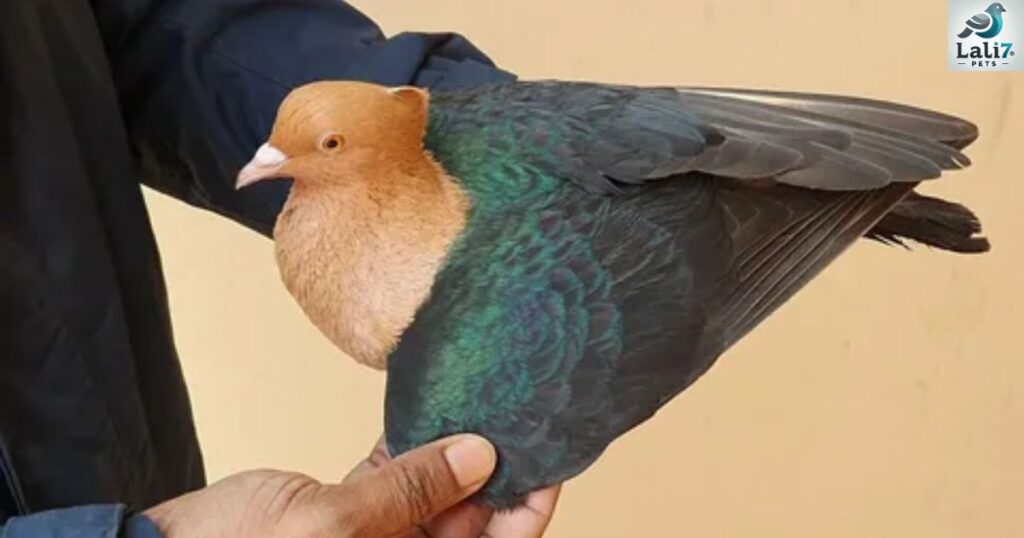
The Archangel pigeon is one of the most stunning birds in the world, yet finding accurate information about it can be tough. Many new owners struggle to find a consolidated guide on this fancy pigeon breed, leaving them unsure about proper diet or housing.
Known for their incredible metallic sheen feathers, these birds are a masterpiece of nature that can capture anyone’s heart. Whether you are an experienced breeder or a beginner, the beauty of the Gimpel pigeon, as it is known in Germany, is undeniable.
Keep reading to discover everything you need to know to become a confident expert on this breed. From their ancient history to detailed health tips, this guide solves every problem you might face with your new pet.
- What is an Archangel Pigeon?
- Origin and Ancient History
- Distinctive Physical Characteristics
- Color Varieties and Genetics
- Temperament and Personality Traits
- Housing and Loft Requirements
- Optimal Diet and Nutrition
- Health Management and Disease Prevention
- Breeding the Archangel Pigeon
- Buying and Showing Your Birds
- Conclusion
- Frequently Asked Questions
What is an Archangel Pigeon?
A Masterpiece of Nature
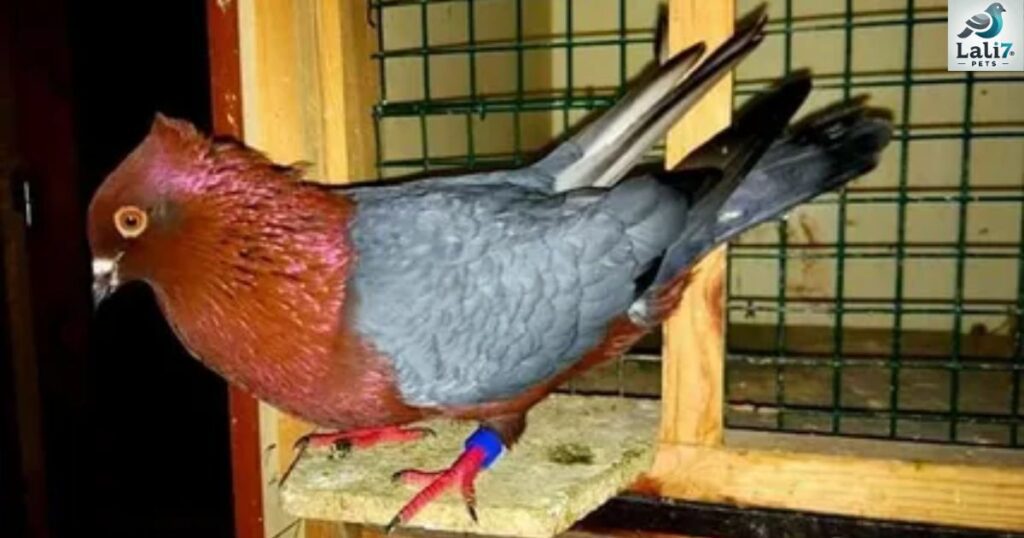
The Archangel pigeon is a breed of domesticated pigeons known specifically for its glowing, iridescent plumage. Unlike the common street bird, this is a highly refined ornamental pigeon kept for its beauty.
Their feathers reflect light in a way that makes them look like they are made of bronze, gold, or copper. This unique characteristic separates them from almost every other fancy pigeon breed in existence.
Why Enthusiasts Love Them
People fall in love with this breed because it combines elegance with a lively personality. They are not just good to look at; they are active and engaging creatures.
Owning one brings a piece of living art into your home or backyard. Their striking appearance meets show pigeon standards, making them a favorite in aviculture competitions worldwide.
Origin and Ancient History
From Dalmatia to the World
The pigeon origin history of the Archangel is rich and somewhat mysterious. Most experts agree that the breed originated in Dalmatia or Illyria, which is part of modern-day Croatia and the Eastern Europe region.
They are considered a very old breed, with records suggesting their ancestors existed centuries ago. Over time, they were brought to Germany and the UK, where breeders refined their traits.
The Many Names of the Breed
You might hear this bird called by different names depending on where you live. In Germany, it is famously known as the Gimpel pigeon or Gimpeltaube, named after the Bullfinch bird due to color similarities.
Other names include the Copper Blackwing Gimpel or the Illyrian Pigeon. Regardless of the name, the bird always displays that signature metallic sheen feathers and regal posture.
Distinctive Physical Characteristics
The Famous Metallic Sheen
The most defining feature of this breed is the luster of its feathers. The body typically displays rich bronze or gold hues that shine intensely under sunlight.
This iridescence is concentrated on the neck, chest, and shoulders. It gives the Archangel pigeon breed a polished look, almost as if the bird has been waxed or oiled.
Body Structure and Crest
These are small to medium-sized birds, usually weighing between 12 ounces and 1 pound. They have a slender, elegant body with a crested archangel pigeon head being the most desirable type.
The crest is usually a “peak crest,” meaning it comes to a sharp conical point at the back of the head. However, plain-headed varieties do exist, though they are less common in shows.
Eyes, Beak, and Legs
A proper Archangel should have vivid, dark orange eyes that look like bright pearls. The beak is long, thin, and straight, usually horn-colored to match the plumage.
They are unfeathered leg pigeons, meaning their legs are clean and free of feathers (muffs). The legs are typically a coral red color, which contrasts beautifully with their metallic body.
Color Varieties and Genetics
Recognized Color Patterns
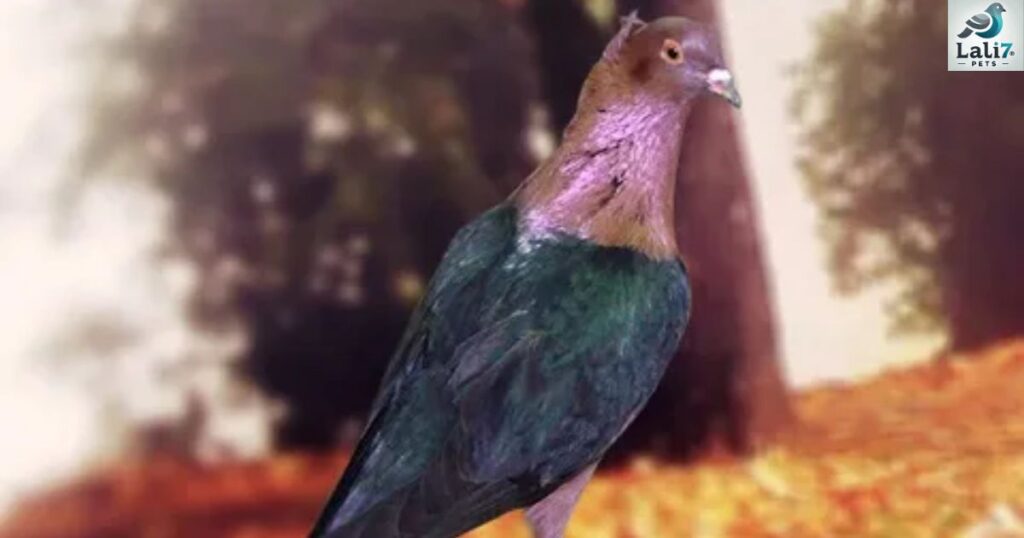
While the metallic sheen is standard, the actual colors can vary. The most popular combination is a copper or bronze body with black wings.
However, you can also find pigeon colors involving blue or white wings. The contrast between the body color and the wing shield is critical for show pigeon judging.
Understanding the Genetics
Pigeon genetics color breeding can be complex for a novice. The iridescence is a specific genetic trait that breeders work hard to maintain.
Factors like “dirty” coloring or poor demarcation between the body and wing color are genetic flaws. Selective breeding is required to keep the colors crisp and the sheen bright.
Temperament and Personality Traits
Gentle Yet Spirited
When looking at pigeon temperament traits, the Archangel is generally docile but spirited. They are not aggressive, making them safe around other birds.
However, they can be a bit more “flighty” or skittish compared to heavier breeds. They are alert birds that react quickly to sudden movements.
Socializing Your Bird
Because they can be skittish, early pigeon training and socialization are vital. Handling them gently when they are young helps them trust you.
They are highly intelligent and can bond well with their owners. With patience, they make excellent pets and can be quite tame in a calm environment.
Housing and Loft Requirements
Building the Perfect Loft
Proper pigeon housing requirements are essential for keeping the metallic feathers in top condition. You need a spacious, dry, and well-ventilated loft.
Each bird should have enough space to flap its wings without hitting walls. A pigeon loft design should include perches and nesting boxes if you plan to breed.
Maintenance and Cleaning
Hygiene is non-negotiable for this breed. A dirty loft will ruin their feathers and lead to health issues. Pigeon loft setup must allow for easy daily cleaning.
Scrape the floors regularly and ensure the bedding is dry. Good ventilation prevents respiratory issues, which this breed can be sensitive to.
Optimal Diet and Nutrition
The Best Food Mixes
A proper pigeon diet plan is the fuel for their metallic shine. A high-quality pigeon mix containing corn, millet, wheat, peas, and legumes is ideal.
The protein in the peas helps with feather growth, while the fats in seeds help maintain the sheen. Avoid cheap fillers that offer little nutritional value.
Essential Supplements
In addition to seeds, you must provide pigeon vitamin supplements and grit. Grit aids digestion, while calcium (oyster shell) is crucial for strong bones and eggshells.
During the molting season, adding extra vitamins to their water helps them grow new, healthy feathers. This ensures the new coat is just as shiny as the old one.
Foods to Avoid
Never feed your birds salty snacks, chocolate, or avocado. These are toxic to birds. Also, avoid spicy or processed human foods.
Stick to a natural diet. You can offer occasional treats like dark leafy greens or chopped carrots for enrichment.
Health Management and Disease Prevention
Common Health Issues
Like all birds, Archangels are prone to common pigeon health problems. Canker (a protozoan infection) is a frequent issue that causes yellow growths in the throat.
External parasites like mites and lice can ruin their beautiful feathers. Respiratory infections are also a risk if the loft is damp or drafty.
Signs of Illness
You must watch for symptoms like weight loss, fluffed-up feathers, or a lack of energy. A twisted neck or watery droppings are serious red flags.
If your bird stops eating or sits alone in a corner, it is likely sick. Pigeon disease prevention relies on catching these signs early.
Prevention and Care
The best cure is prevention. Keep the loft clean and quarantine any new birds before introducing them to your flock.
Consult a vet for a vaccination schedule against Paratyphoid and Paramyxovirus. Regular de-worming is also part of a standard pigeon care guide.
Breeding the Archangel Pigeon

Selecting the Right Pair
Archangel pigeon breeding requires a keen eye. You want to pair birds that have the best feather quality and body shape.
Avoid breeding birds with physical defects or poor color. The goal is to improve the offspring’s quality, aiming for that perfect peak crest and intense sheen.
Managing the Breeding Cycle
These birds are generally good parents. They usually lay two eggs, which hatch after about 17 to 19 days.
Provide a private nesting box so they feel secure. The parents will feed the chicks “crop milk” for the first few days, which is essential for survival.
Buying and Showing Your Birds
Where to Find Reputable Breeders
If you are wondering about buying archangel pigeons, avoid generic pet stores. Look for specialized breeders at pigeon shows or through online aviculture forums.
A good breeder will provide health guarantees and history. Prices typically range from $75 to $200 depending on the bird’s quality and lineage.
Exhibition Standards
For those interested in showing, the show pigeon standards are strict. Judges look for a sharp crest, clean legs, and distinct color separation.
The bird must stand at a 45-degree angle and display confidence. Joining a club like the American Archangel Club can help you learn the ropes of exhibition.
Conclusion
The Archangel pigeon is truly a gem among birds. With their spectacular metallic sheen feathers and noble history, they offer a unique experience for any bird lover.
While they require specific care regarding diet and housing, the reward of owning such a magnificent creature is worth the effort. By following this guide, you are now equipped to provide the best life for your feathered friend.
Start your journey today, and enjoy the beauty and companionship these ancient birds bring to your life.
Frequently Asked Questions
What is an Archangel pigeon?
An Archangel pigeon is a breed of fancy pigeon known for its iridescent, metallic feathers and crested head. They are primarily ornamental birds kept for their beauty rather than for racing or utility.
How do I care for an Archangel pigeon?
Care involves providing a dry, draft-free loft, a balanced diet of grains and seeds, and fresh water daily. Regular cleaning of the loft and health checks for parasites are also essential parts of a pigeon care guide.
Are Archangel pigeons good pets?
Yes, they make excellent pets for those who enjoy bird watching and interaction. While they can be a bit skittish at first, they are generally gentle and can become quite tame with consistent socialization.
What are common health issues in Archangel pigeons?
Common issues include canker, respiratory infections, worms, and external parasites like mites. Keeping their environment clean and dry is the best method for pigeon disease prevention.
Where can I buy an Archangel pigeon?
You can find them through reputable breeders, pigeon shows, or online pigeon marketplaces. It is best to buy from a breeder who specializes in Archangel pigeon breeding to ensure you get a healthy bird.