
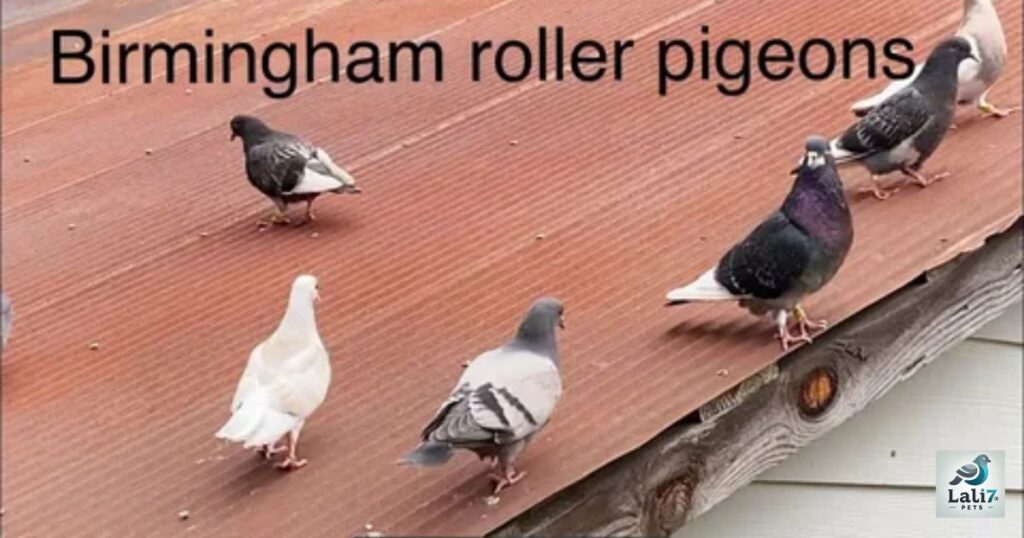
The sky and seeing a flock of birds not just flying, but transforming into spinning balls of feathers, plummeting toward the earth in synchronized motion before snapping back into flight at the last second. This isn’t a glitch in nature; it is the deliberate, breathtaking performance of Birmingham Roller pigeons.
Originating from Birmingham, England, these birds are arguably the most popular performing pigeon breed in the world. They are not raced for speed like their homer cousins; they are bred for the sheer spectacle of their aerial acrobatics. Whether you are a curious beginner looking to build your first loft or an experienced fancier aiming for the World Cup Fly, understanding the intricate balance of genetics, nutrition, and training is essential.
- The Mystery of the Roll: Why Do They Do It?
- Physical Standards and Characteristics
- The Art of Breeding: Genetics and Families
- Comprehensive Training Guide: From Squeaker to Champion
- Fueling the Flight: Proper Feeding Strategies
- Health Watch: Common Diseases and Treatments
- The World of Competitions
- Buying Guide and Costs of Birmingham Roller Pigeons
- FAQ: Birmingham Roller Pigeons
The Mystery of the Roll: Why Do They Do It?
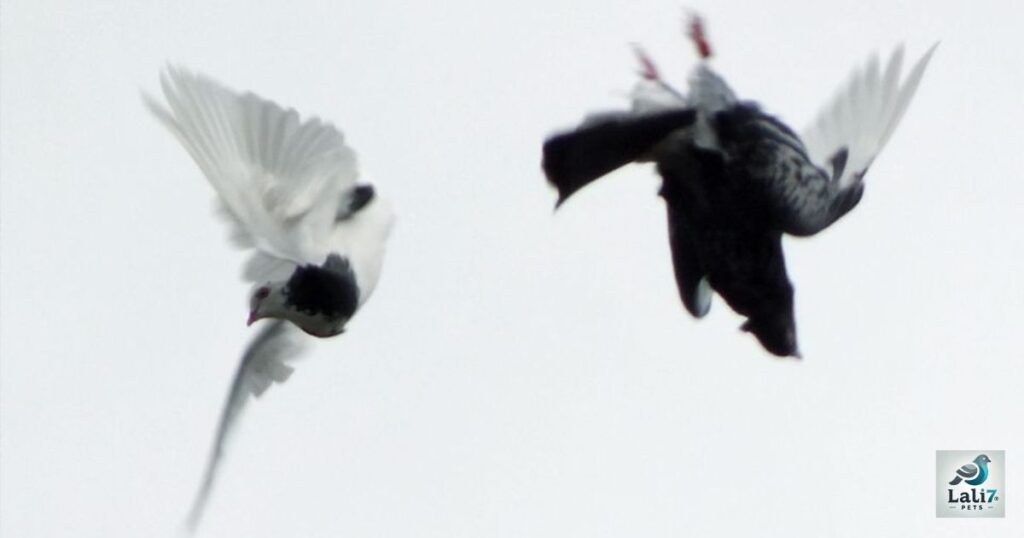
The defining characteristic of this breed is the “roll.” Unlike a simple tumble, a true Birmingham Roller executes a rapid series of backward somersaults. The speed is so intense that the bird resembles a spinning cricket ball falling in a straight line.
While the exact biological trigger remains a subject of debate among scientists, breeders know it is governed by the ro gene. This genetic trait causes a harmless neurological reaction during flight, compelling the bird to tuck and spin.
However, not all rolls are created equal. In the competitive world of flying performance, judges look for specific traits:
- Velocity: The spin must be fast and tight.
- Depth: The distance the bird falls while rolling (often 10 to 20 feet or more).
- Style: The bird should remain stable and crisp, not sloppy or wobbling.
The Flying Kit
You rarely fly a Roller alone. They are flown in a kit, a group of typically 11 to 20 birds. The goal of a kit is synchronization. A “break” occurs when multiple birds in the kit start rolling simultaneously, creating a cascading waterfall effect in the sky. This coordination is the holy grail for fanciers participating in competitions like the National Birmingham Roller Club fly.
Physical Standards and Characteristics
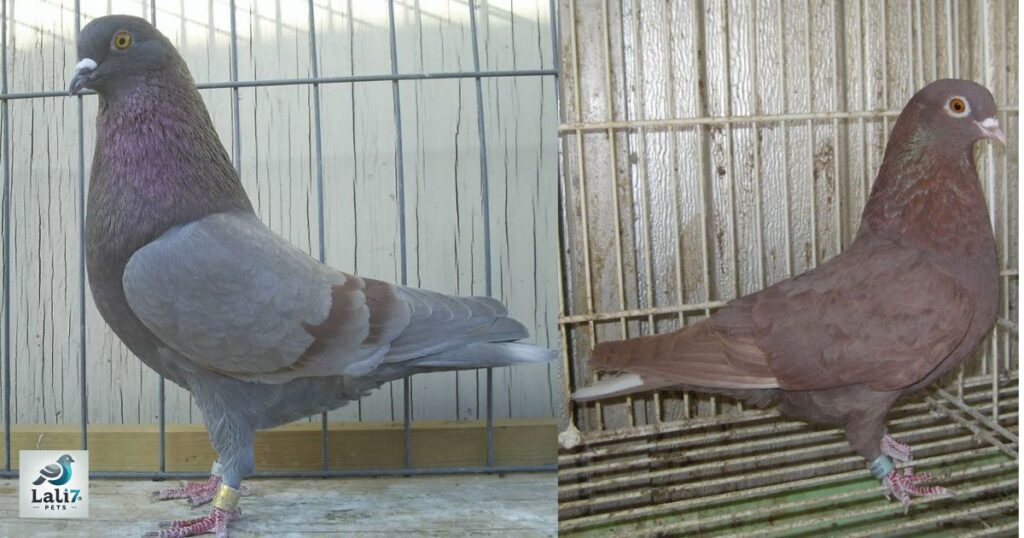
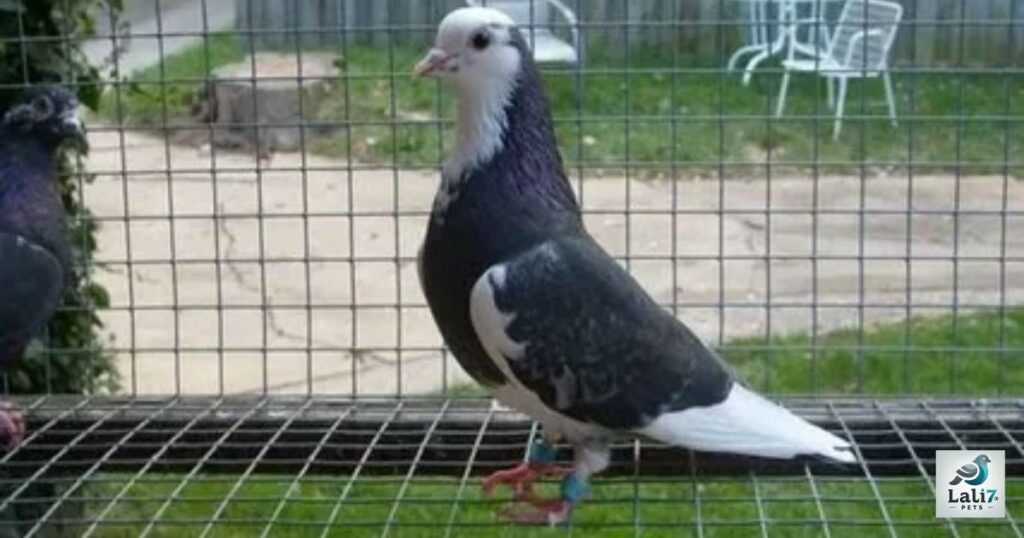
While performance is paramount, physical structure supports the bird’s ability to endure high-stress maneuvers. A Birmingham Roller pigeon is a medium-sized bird with a compact, muscular build. It shouldn’t be too heavy, as excess weight hinders the rapid-twitch muscles required for rolling.
Based on standards from top organizations like the NBRC and veteran breeders, here are the ideal physical specifications:
| Feature | Ideal Specification | Performance Impact |
|---|---|---|
| Body Shape | Wedge-shaped, broad shoulders | Provides aerodynamic stability during the spin |
| Average Weight | Cocks: ~9.5 oz Hens: ~8.5 oz | Too heavy = slow spin; too light = blown by wind |
| Tail | 12 feathers, tight pipe | A tight tail acts as a rudder; extra feathers can cause drag |
| Beak | Straight, approx. 18 mm | Allows for efficient feeding of small grains |
| Neck | Short and thick | Supports the head during high-velocity rotation |
| Legs | Clean-legged (no feathers) | Feathered legs (muffs) can interfere with flight aerodynamics |
The plumage comes in a vast array of colors, including blue, red, black, almond, grizzle, and various mottled varieties. However, for a performance breeder, color is always secondary to the quality of the roll.
The Art of Breeding: Genetics and Families
Breeding Birmingham Rollers is more art than science. You cannot simply put two rolling birds together and expect a champion. The ro gene is complex, and “over-rolling” can be just as detrimental as not rolling at all. If a bird rolls too deep or too often, it may crash (known as a “rolldown”), which is a disqualification in competitions and a tragedy for the fancier.
Selecting Breeding Pairs
Experienced breeders, such as those following the lineages of legends like William Pensom or George Mason, use pedigree sheets to track family traits. The goal is to balance the “hot” rolling blood with stable, intelligent stock.
- Stock Birds: These are birds kept solely for breeding. They may be older or have minor physical flaws that prevent them from flying in a kit, but they possess superior genetics.
- Line Breeding: Many fanciers breed closely related birds (like cousins or grandparent-to-grandchild) to lock in specific desirable traits, a practice that requires careful culling of any unhealthy offspring.
According to Wikipedia, the breed’s development has always focused on performance, meaning the visual beauty of the bird is a happy bonus rather than the primary goal.
Comprehensive Training Guide: From Squeaker to Champion
Training is where the potential of the bird is unlocked. You cannot teach a pigeon to roll—that is genetic—but you must teach them to fly in a kit, listen to the trainer’s commands, and return home safely.
Phase 1: Weaning and the Kit Box
When squabs (baby pigeons) are about 28 to 30 days old, they are weaned from their parents. They are moved to a specific section of the loft called a kit box. Unlike a spacious breeding pen, a kit box is smaller. This encourages the birds to rest rather than play, building up energy for their daily release.
Phase 2: Trap Training
Before they ever fly, young birds must learn how to enter the loft through a trap door. This is usually done by placing them on the landing board and gently guiding them through the trap using feed as a lure. Hunger is the primary motivator; a full bird has no reason to listen to you.
Phase 3: First Flights
Young birds are released for short periods. Initially, they may just sit on the roof. This is normal. Over a few weeks, they will begin to “rout,” flying in circles around the loft. During this phase, you are watching for the rolling motion to develop. Some birds start early; others, known as “late developers,” may take months.
Phase 4: Kit Chemistry
Once the birds are flying strongly, the fancier selects the best performers to form a kit. The trainer must observe the birds daily.
- Culling: Birds that fly away (outriders), land too early, or refuse to kit with the group are removed to prevent them from teaching bad habits to the rest of the team.
- Fly Time: A mature kit typically flies for 20 to 45 minutes. Any longer, and they are likely just soaring rather than rolling.
Fueling the Flight: Proper Feeding Strategies
Diet is the throttle and brake of a Birmingham Roller. You cannot feed them a generic “pigeon mix” and expect elite performance. The feed must be adjusted based on the weather, the bird’s age, and the desired energy level.
Top competitors use a mix of grains to control protein and carbohydrates:
- Red Hard Wheat: The staple of the roller diet. It provides sustained energy without causing weight gain.
- Milo (Red and White): A carbohydrate source that burns quicker than wheat.
- Austrian Winter Peas: High in protein. Used sparingly to build muscle in young birds or during cold weather.
- Safflower & Corn: High fat. These are “hot” feeds used only when birds need extra reserves for freezing temperatures or long flights.
Feeding Schedule: Most fanciers feed once a day, immediately after the kit has flown and trapped back into the loft. If you feed them before flying, they will be heavy and lazy. The amount is critical; usually, 1 to 1.5 tablespoons per bird is sufficient. If the birds fly too long the next day, reduce the feed. If they lack energy, increase the protein (peas).
Health Watch: Common Diseases and Treatments
A healthy loft is a flying loft. Because Birmingham Rollers live in close quarters, diseases can spread rapidly. Regular observation of droppings, throat texture, and energy levels is vital.
Here are the most common ailments cited by veterinary resources and expert breeders:
- Canker (Trichomoniasis): A protozoan infection causing cheesy yellow deposits in the throat.
- Symptoms: Weight loss, difficulty swallowing, fluffed feathers.
- Treatment: Medications containing Ronidazole or Carnidazole.
- Coccidiosis: An intestinal issue often triggered by dampness in the loft.
- Symptoms: Loose, watery droppings, huddling.
- Treatment: Sulfa-based medications or specific coccidiostats.
- Paratyphoid (Salmonella): A dangerous bacterial infection that can cause joint swelling and death.
- Symptoms: Limping, wing drooping, and weight loss.
- Treatment: Antibiotics like Enrofloxacin, followed by probiotics to restore gut health.
- PMV (Paramyxovirus): A viral disease that affects the nervous system.
- Symptoms: Twisted neck syndrome, spinning on the ground, and tremors.
- Prevention: There is no cure, only prevention through vaccination.
Loft Hygiene: Scraping the loft floor daily and ensuring water vessels are sanitized is the best natural antibiotic. Many fanciers also use natural supplements like oregano and garlic oil or apple cider vinegar in the water to maintain high acidity in the gut, which discourages bad bacteria.
The World of Competitions
For those who crave rivalry, the World Cup Fly is the pinnacle. Organized regionally and internationally, these events involve a judge visiting the competitor’s home. The kit is released, and the judge watches for 20 minutes.
Scoring Factors:
- Turn: When the kit turns together.
- Quality: The speed and tightness of the rolls.
- Depth: How far they fall.
- Teamwork: How many birds roll simultaneously?
Competitions are not just about winning; they are social gatherings where local clubs, like those affiliated with the NBRC, share tips, trade breeding stock, and discuss the nuances of the hobby.
Buying Guide and Costs of Birmingham Roller Pigeons
If you are ready to start, consider avoiding pet stores. You need birds from a proven performance lineage.
- Where to Buy: Look for specialized breeders online, specific pigeon clubs, or reputable agricultural suppliers, such as Strombergs.
- Cost:
- Backyard/Hobby Birds: $20 – $50 each.
- Proven Breeders/Pedigreed Stock: $100 – $500+ per pair.
- Shipping: Live birds are typically shipped via USPS Priority Mail Express in special filtered boxes. Ensure the seller is a USDA-Licensed loft if crossing certain state or international lines.
When your box arrives, keep the new birds quarantined for at least two weeks to ensure they don’t introduce new pathogens to your existing flock.
FAQ: Birmingham Roller Pigeons
Q: What is the difference between a Birmingham Roller and a Parlor Roller?
A: A Birmingham Roller performs its acrobatics high in the air during flight. A Parlor Roller cannot fly; it performs backward somersaults on the ground and is a show bird.
Q: How do I handle Birmingham Roller pigeons?
A: Approach them calmly. Place your hand over the bird’s back, collapsing the wings against the body, and slide your fingers between the legs to support the breast. Never grab them by the wings or tail.
Q: Can I keep Rollers with other breeds?
A: It is possible, but not recommended if you want to fly them. Rollers need a specific diet and training regimen. If they fly with Homers, they may be pulled too high or far away to perform.
Q: How long do they live?
A: With proper care, protection from predators (hawks/cats), and disease management, a Birmingham Roller can live 10 to 15 years, though their peak breeding and flying years are typically the first 5 to 7.
Q: Do they produce good squabs?
A: Yes, Birmingham Rollers are generally excellent parents. They sit on eggs faithfully and feed their healthy babies vigorously. Many fanciers even use them as foster parents for more difficult breeds.