
Last Updated: December 31, 2025
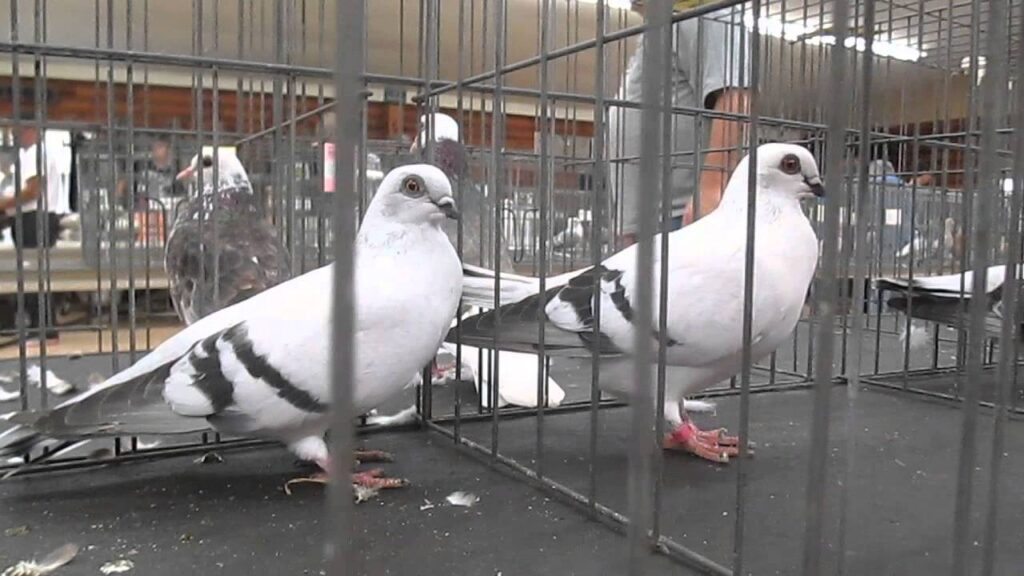
When you look into the face of a Damascene pigeon, you are looking into history. With its striking “frosty” plumage and large, deep-dark eyes framed by purple rings, this bird is unlike any other domestic pigeon. Known for thousands of years as one of the most elegant flyers in the Middle East, the Damascene strikes a perfect balance between a high-performing flight bird and a stunning exhibition pigeon.
For bird enthusiasts, the Damascene offers the best of both worlds: they are incredibly gentle pigeons that make excellent pets, yet they possess a visual beauty that wins ribbons at shows. Whether you know them by their nickname, the Mahomet pigeon, or their Turkish title, Istanbullu pigeon, understanding this breed is a journey into the heritage of Damascus, Syria.
In this guide, we will explore the fascinating origins, unique physical traits, and specific care requirements of the Syrian Damascene, ensuring you have everything you need to know about this fancy pigeon breed.
History and Origin: A 3,000-Year Legacy
The Damascene is widely considered one of the oldest pigeon breeds in existence. Historical evidence suggests that these birds have graced the skies of the Middle East for arguably 3,000 years. While their exact starting point is debated among pigeon fanciers, the consensus points to Damascus, Syria, as the breed’s primary hub of development, with strong influences from Turkey and Persia (modern-day Iran).
The “Mahomet” Connection
In the 17th century, literature began referencing this breed as the “Mahomet” pigeon. This name likely derived from the bird’s geographical origins in Islamic regions or a localized translation of “Mahomet,” which was sometimes used to describe the messenger pigeon varieties of the time.
Interestingly, despite its ancient roots, the breed faced a crisis in the 20th century. By the end of World War II, the Damascene had almost vanished from Western Europe. It took dedicated conservation efforts to reintroduce the breed, importing fresh stock from the Middle East to revive the population. Today, whether referred to as the Damascene Fairy or simply the Damascene, it stands as a testament to breed preservation.
Physical Appearance: Identifying the Damascene
The beauty of the Damascene is in its contrast. It is a medium-sized bird, usually weighing between 370 and 450 grams (13-16 oz), with a stout, cobby build. However, a few specific features separate a true pure Damascene pigeon from other silver-blue pigeons.
The Distinctive Eye and Cere
The most defining characteristic of this breed is the eye region. A standard Damascene must have:
- Bright Eyes: The iris is typically a vivid, deep orange or gravel color. In top show birds, a ruby red is often preferred.
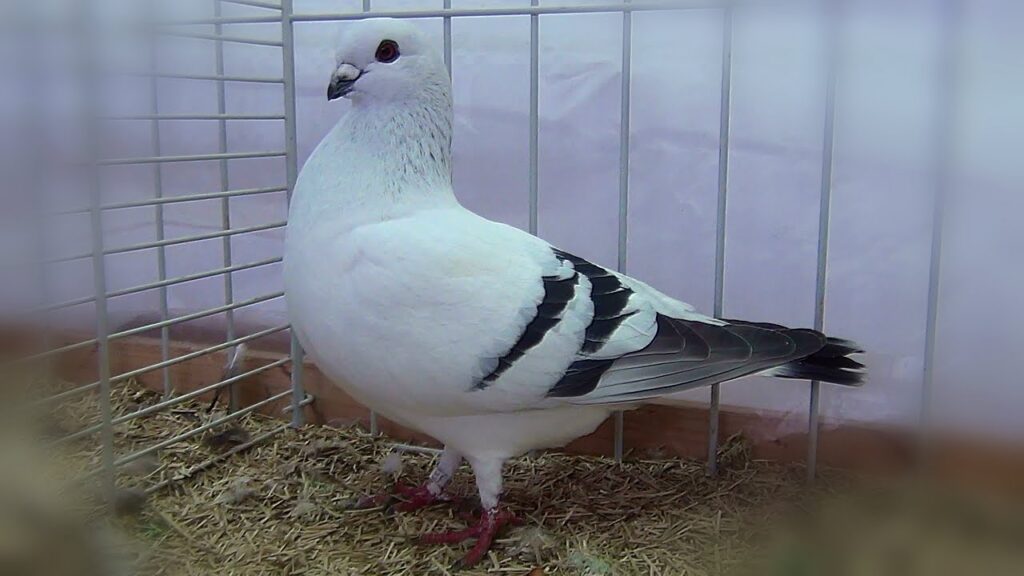
- Plum-Colored Ceres: Surrounding the eye is a large, fleshy ring (cere). Unlike other breeds that have pale or red ceres, the Damascene boasts dark plum-colored ceres (often described as damson or purple). This dark ring against the bright eye creates a dramatic, intelligent expression.
Plumage and Markings
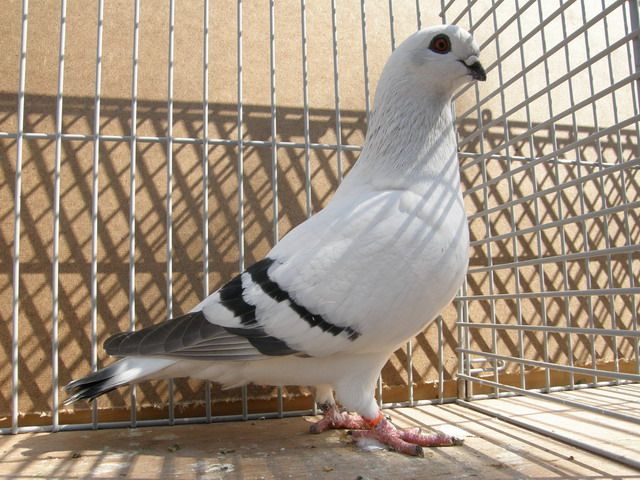
The plumage color is famously described as “icy.” The feathers should be powder-white or silver-grey, carrying a metallic sheen that gives the bird a frosty appearance. This light body color is sharply contrasted by:
- Ebony Black Wing Bars: Two intense, black bars running across the wings.
- Black Tail Tip: A distinct dark band at the end of the tail.
- Dark Primary Flight Feathers: The tips of the wings are often darker, adding to the monochromatic elegance.
Structural Features
- Beak: They possess a blunt beak that is stocky and dark-colored. Ideally, the beak is nearly as wide as it is long, giving the bird a somewhat “boxy” face profile.
- Legs: Standard Damascenes are clean-legged pigeons (no feathers on the feet). The feet are a deep red with black toenails. While grouse-legged Damascene variations (feathers on legs) exist, the clean legs pigeon is the standard for major shows in the US and UK.
Breed Standards at a Glance
| Trait | Standard Characteristics |
|---|---|
| Origin | Damascus, Syria (Middle East) |
| Average Weight | 370–450 grams (13–16 oz) |
| Primary Color | Icy-white blue, silver-grey, frosty blue |
| Eye Color | Deep orange, gravel, or red (bright and alert) |
| Eye Cere | Damson, plum, or dark purple (broad and textured) |
| Wing Markings | Jet black double wing bars |
| Beak Structure | Short, blunt, stocky, dark/black |
| Leg Style | Clean legs (standard); dark red feet; black nails |
| Lifespan | 10–15 years |
Temperament: The Gentle Companion
One of the main reasons the Damascene is recommended for pigeon varieties enthusiasts is its personality. These birds are renowned for being calm pigeons. Unlike some flight breeds that can be skittish or high-strung, the Damascene is exceptionally gentle and social.
Interaction with Humans
Because they are intelligent pigeons, they are relatively easy to tame. With patience and treats, they can become quite attached to their owners. They are not aggressive, making them a safe choice for families or lofts that house multiple bird species. Their “civilized” nature makes them a favorite among those who keep pet pigeons for companionship rather than just for breeding or racing.
Flight Ability and Performance
Do not let their good looks fool you; the Damascene is a Rock dove descendant with powerful wings. While modern breeding has split the bird into “Show Types” (heavier, prettier) and “Flying Types” (leaner, more agile), the breed generally retains strong instincts.
- Aerial Acrobatics: They are graceful and energetic flyers. They enjoy taking to the air and can stay aloft for reasonable periods.
- Homing Instincts: While they are not bred for speed racing like the Racing Homer, the Damascene possesses respectable homing instincts. They generally return to their loft reliably after exercise.
- Loft Necessity: Even if you keep them for exhibition, allowing them flight exercise in an aviary or controlled release helps maintain their muscle tone and pigeon health.
Care and Management Guide
Keeping a Damascene healthy requires attention to their environment and diet. Here is a step-by-step guide to caring for this Middle Eastern pigeon.
1. Housing and Loft Setup
Your pigeon loft or aviary must be dry, draft-free, and secure from predators.
- Space: Provide at least 2-3 square feet of floor space per pair.
- Perches: Damascenes enjoy perching. Ensure you have box perches or V-perches installed.
- Hygiene: Because of their icy-white blue plumage, dirty lofts will ruin their appearance quickly. Regular cleaning is mandatory to keep their feathers pristine for showing.
2. Diet and Nutrition
A standard commercial pigeon mix works well, but it should be balanced.
- Grains: A mix of peas, corn, wheat, and milo provides the necessary energy.
- Grit: Always provide grit for pigeons. This helps them digest their food and provides calcium for eggshells.
- Fresh Water: Clean water must be available at all times.
3. Health Maintenance
Routine health checks are vital.
- Parasites: Check for lice and mites, especially under the wings.
- Disease Prevention: Vaccinate against common pigeon diseases like PMV (Paramyxovirus) and paratyphoid, as recommended by a vet.
- Feet Care: Since they have clean legs, check their feet regularly for cuts or bumblefoot, especially if they walk on rough surfaces.
Breeding Damascene Pigeons

Breeding this variety is a rewarding experience because they are excellent parents.
- Monogamy: Like most pigeons, Damascenes are monogamous and mate for life.
- Clutch Size: They typically lay 2 eggs per clutch.
- Incubation: The incubation period for pigeons is roughly 17 to 19 days. Both parents take turns keeping the eggs warm.
- Fledging: The chicks (squabs) grow rapidly and typically fledge (leave the nest) within 4 to 5 weeks.
Because Damascenes possess a beak that—while blunt—is long enough to feed young effectively, they are often used as foster parents (feeders) for short-faced breeds that cannot feed their own young. This makes them doubly valuable to a breeder’s loft.
Frequently Asked Questions (FAQs)
Are Damascene Pigeons good for beginners?
Yes, absolutely. The Damascene is an excellent choice for beginners. Their temperament is calm and tolerant, making them easier to handle than many other breeds. They are also hardy birds that do not require complex, specialized diets, provided their basic hygiene and housing needs are met.
Can Damascene Pigeons fly well?
Yes, they are strong, energetic flyers. While the “Show Type” birds are heavier and may prefer short bursts of flight, the “Flying Type” Damascenes are agile and enjoy soaring. However, because they are bright white and highly visible, they can be easy targets for hawks, so supervised flight or a covered aviary is often safer.
How do I identify a pure Damascene Pigeon?
To identify a purebred, look for the “Damson” eye cere. A pure Damascene pigeon will have a dark plum/purple ring around the eye, not a red or flesh-colored one. Additionally, check for the blunt beak, dark legs, and the signature ebony black wing bars against an ice-blue body.
How long do Damascene Pigeons live?
With proper care, a healthy diet, and a safe environment, a Damascene pigeon typically lives between 10 to 15 years. Some well-cared-for birds have been known to live even longer.
Do Damascene Pigeons get along with other birds?
Yes, they are very social birds. They are not territorial aggressors and generally integrate well into a mixed loft. However, you should always monitor new introductions to ensure more aggressive breeds do not bully the gentle Damascene.
Conclusion
The Damascene pigeon is more than just a bird; it is a piece of living antiquity. From the ancient streets of Damascus to modern pigeon shows worldwide, this breed has captivated humans with its frosted plumage and intelligent, dark-rimmed eyes.
Whether you are looking for a competitive show bird, a reliable foster parent for other breeds, or simply a gentle and beautiful pet, the Damascene delivers on all fronts. Its combination of low-maintenance care, robust health, and stunning looks makes it a jewel in the crown of the pigeon fancy. If you are considering adding a bird to your life, the “Mahomet” pigeon is a choice you are unlikely to regret.