
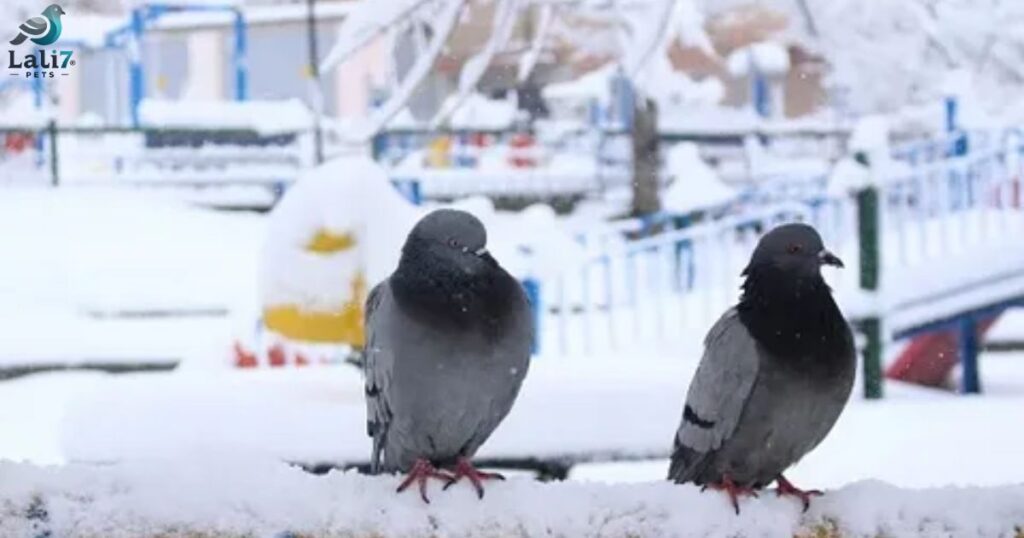
When the temperatures drop and the days grow shorter, it’s easy to wonder: Do pigeons get cold? These resilient birds are often seen strutting around urban areas, seemingly unaffected by the harsh weather. But how do they really survive the freezing winter months?
Do they experience the cold like we do, or do pigeons have special ways to endure the winter chill? Let’s dive in and uncover how pigeons cope with the cold and whether they face any significant challenges when the weather takes a turn for the worse.
- Do Pigeons Get Cold in Winter?
- Can Pigeons Freeze to Death?
- Do Pigeons Mate for Life? How Winter Affects Pigeon Mating Behavior
- How Pigeons Stay Warm During Winter
- What Happens When Pigeons Don’t Have Enough Food?
- How Cold Is Too Cold for Pigeons?
- FAQs
- Conclusion: Pigeons Are Resilient, But They Still Need Our Help
Do Pigeons Get Cold in Winter?
Yes, pigeons do get cold in winter, but their resilience and clever adaptations help them survive the chilly conditions. Unlike humans, pigeons don’t bundle up in coats or seek indoor heating. Instead, they rely on natural defenses and urban environments to keep them warm during the cold months. Let’s take a closer look at how they manage the cold.
Pigeon Temperature Tolerance: How Cold Can Pigeons Handle?
Pigeons are hardy birds that can handle a wide range of temperatures. They are quite resilient when it comes to cold weather, and pigeon temperature tolerance varies, but they can generally survive temperatures as low as -4°C (25°F). This means that pigeons are well-equipped to handle cold spells, but they do face difficulties when temperatures drop below freezing.
Despite their resilience, pigeons are still vulnerable to severe cold, particularly if they don’t have access to proper food or shelter. Dense feathers, high metabolic rates, and smart survival tactics like fluffing their feathers and huddling together are essential for maintaining warmth.
Can Pigeons Freeze to Death?
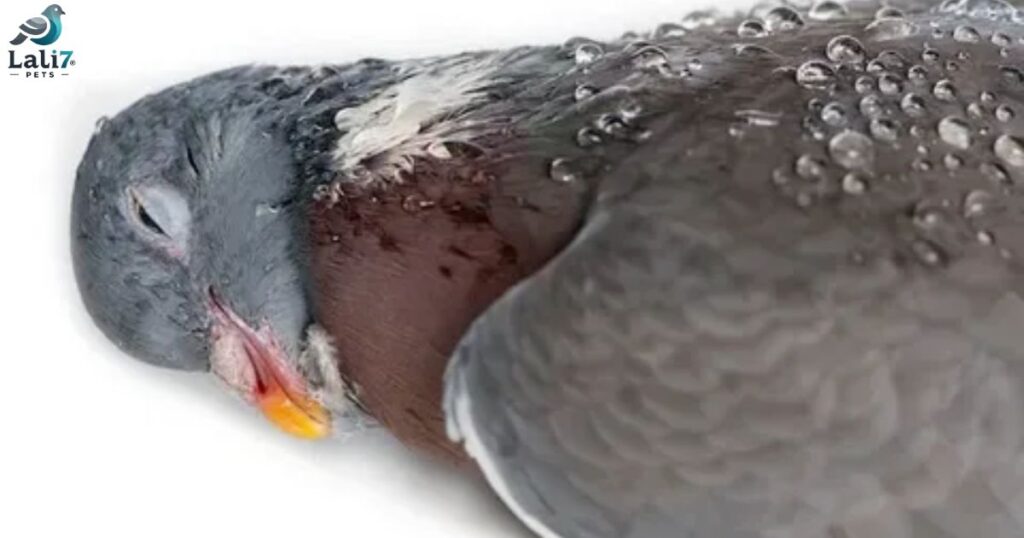
While pigeons are tough, it is important to ask: Can pigeons freeze to death? In extreme conditions, such as freezing rain or snowstorms, pigeons can face serious risks. While they don’t typically freeze to death in normal winter conditions, they can suffer if they are unable to find food or shelter.
Pigeons rely on sheltered roosts, such as the eaves of buildings or ledges in urban areas, where they can escape the wind and wet conditions. If they are exposed to freezing temperatures without access to these warm refuges or enough food to fuel their metabolism, they may succumb to hypothermia. However, in most cases, pigeons are resourceful and manage to stay alive by seeking shelter in heated areas and finding food scraps left by humans.
Do Pigeons Mate for Life? How Winter Affects Pigeon Mating Behavior
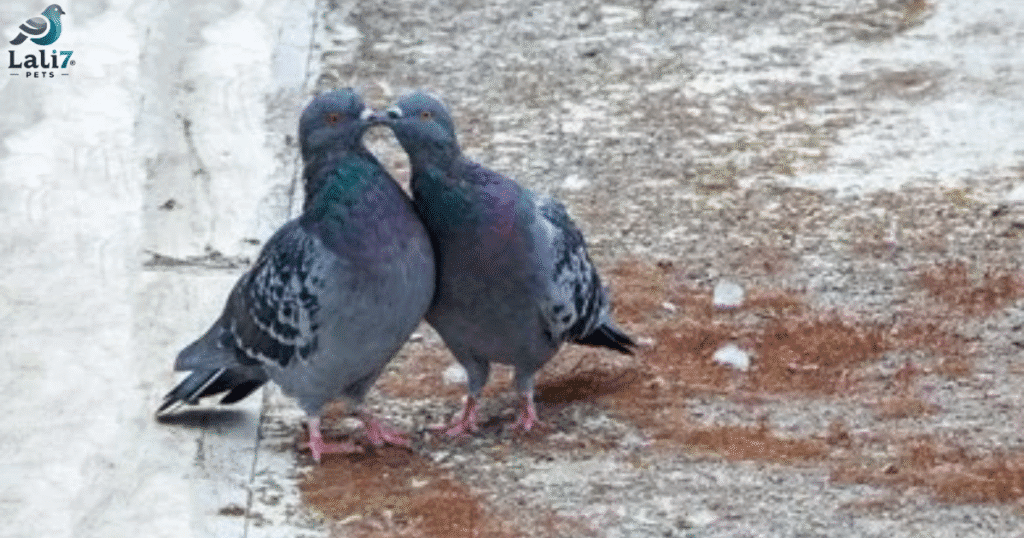
You might wonder, with all the harsh conditions of winter, how do pigeons continue their reproductive cycle? Do pigeons mate for life? The answer is yes, pigeons are generally monogamous birds, and they typically mate for life. They often return to the same nesting spots year after year, which can be crucial in winter.
Mating and breeding do slow down during the winter months due to the cold weather, but pigeons still pair up and find ways to stay close together. Their mating habits aren’t disrupted by the winter cold; instead, they adapt by focusing on staying warm and conserving energy. Even during colder months, pigeons will continue to find shelter and food, ensuring they have the strength to mate and produce offspring when the weather becomes milder.
How Pigeons Stay Warm During Winter
Now that we know that pigeons do get cold in winter, let’s dive into the specific strategies pigeons use to survive the chill.
Fluffing Their Feathers for Insulation
One of the most important strategies pigeons use to keep warm is fluffing their feathers. By fluffing up their feathers, they create an insulating layer of air, much like a down jacket for humans. This helps trap warmth close to their bodies and minimizes the cold they feel from the outside.
Huddling Together for Extra Warmth
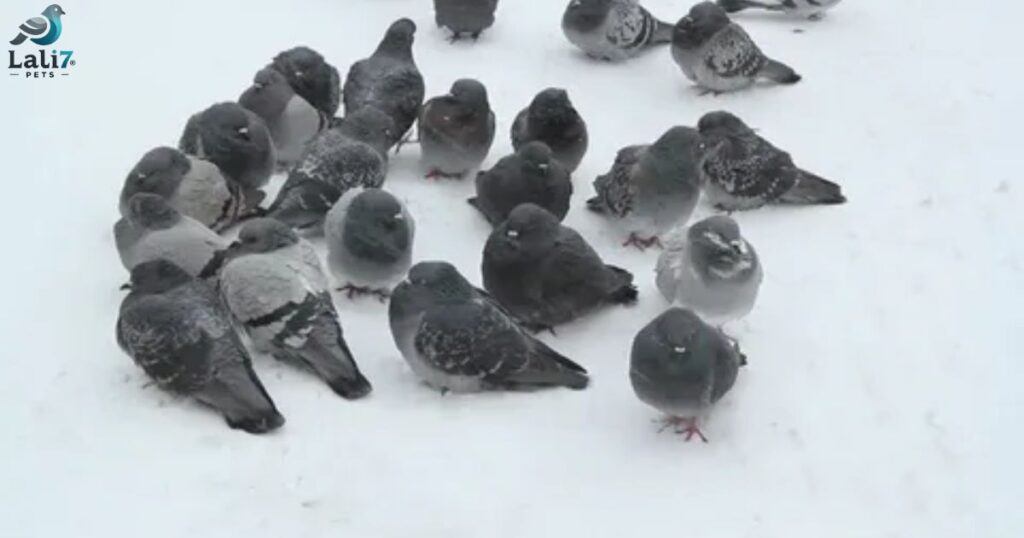
In addition to fluffing their feathers, pigeons also rely on their social behavior to stay warm. Pigeons are social birds, and they often huddle together to share body heat. In the winter, it’s common to see pigeons clustering together on building ledges, warming each other up in tight-knit groups.
Seeking Shelter in Urban Areas
Urban environments provide pigeons with a wealth of shelter options, including roof vents, chimneys, and eaves of buildings. These areas often retain some heat from human activity, providing pigeons with refuge from the harsh wind and cold. Pigeons instinctively seek out these warm pockets to keep out of the worst of the cold.
What Happens When Pigeons Don’t Have Enough Food?
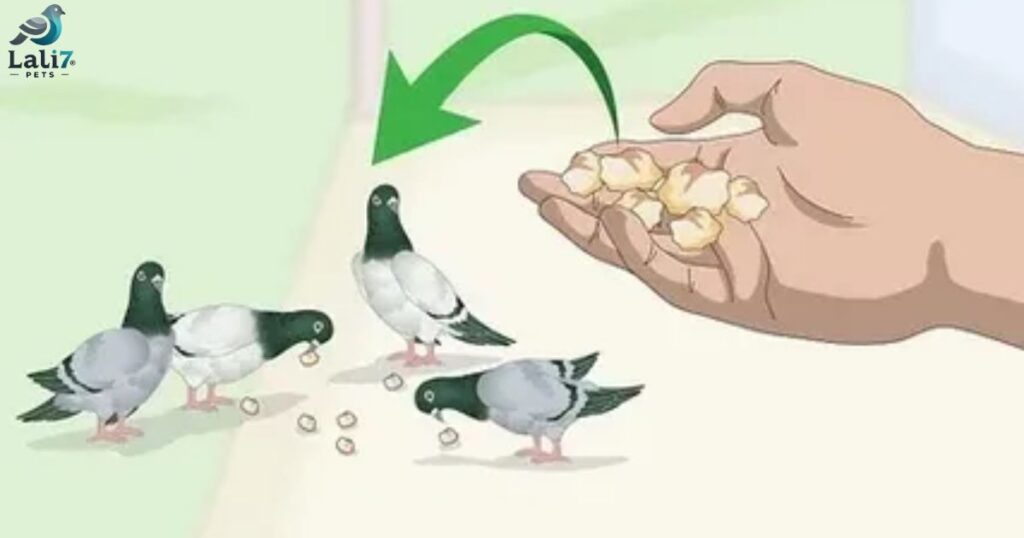
As we discussed, pigeons rely on a high metabolism to stay warm during the winter. This means they need to eat more frequently during cold weather to keep up their energy levels. However, when food is scarce, pigeons may face a real struggle.
In cities, pigeons are known for being opportunistic feeders, scavenging for food scraps in parks, streets, and around food vendors. When natural food sources are limited during winter, pigeons adapt by searching for anything that might provide them with sustenance. Grains and seeds, especially corn, are particularly valuable during the winter months because they provide the necessary energy to fuel their high metabolism.
If pigeons can’t find food, their survival rate in the winter months decreases significantly. Without enough food, pigeons can’t maintain their body heat, leading to exhaustion and weakened immune systems.
How Cold Is Too Cold for Pigeons?
While pigeons are generally quite resilient, extreme cold can still pose a problem. Temperatures below -10°C (14°F) can be dangerous for pigeons, especially if they are not able to find adequate shelter or food. In such conditions, pigeons are at risk of hypothermia, starvation, or illnesses that weaken their immune systems.
The Role of Shelter in Winter Survival
For pigeons, finding shelter is just as crucial as food during winter. They need places that shield them from the harsh winds and moisture that can cause serious issues. Roosting in sheltered areas like building ledges, attic spaces, and other protected spots is critical to their survival.
What You Can Do to Help Pigeons in Winter
As a pigeon lover or someone who cares about wildlife, you can make a big difference by providing food, water, and shelter for pigeons during the winter months. Here’s how you can help:
- Provide Food: Offer high-energy foods like corn and seeds to give pigeons the calories they need to stay warm.
- Ensure Fresh Water: Make sure pigeons have access to unfrozen water during the winter. Consider using a heated water bowl to keep their water from freezing.
- Create Shelter: Provide secure, insulated places for pigeons to roost. If you’re a pigeon keeper, ensure their coops are protected from drafts and moisture.
FAQs
What do pigeons do when they are cold?
Pigeons fluff up their feathers, huddle together, and seek shelter in warm areas like building vents or ledges to stay warm.
Do pigeons need to be warm?
Yes, pigeons need to maintain a certain level of warmth, especially during cold weather, to keep their metabolism functioning and avoid health risks.
Do pigeons survive in the winter?
Yes, pigeons are well-adapted to survive in winter by using their dense feathers, high metabolism, and shelter-seeking behaviors to stay warm.
How do pigeons sleep in the winter?
Pigeons sleep in sheltered areas like building eaves or roof vents, huddling together to conserve body heat and protect themselves from the cold.
What temperature can pigeons handle?
Pigeons can tolerate temperatures as low as -4°C (25°F), but extreme cold beyond this can be dangerous if they can’t find food or shelter.
Conclusion: Pigeons Are Resilient, But They Still Need Our Help
Do pigeons get cold? Yes, pigeons do feel the cold, but they are incredibly resilient creatures that have evolved some amazing strategies to survive. Their fluffy feathers, high metabolism, and social behavior allow them to endure cold temperatures that would be dangerous for many other animals.
While pigeons are tough, they still face challenges during the winter months, especially when food is scarce or shelter is inadequate. By offering food, water, and shelter, you can help pigeons stay safe and healthy during the colder seasons.
Whether you’re an experienced pigeon enthusiast or just a curious observer, remember that pigeons are well-equipped to handle winter’s chill, but a little extra support from us can go a long way in ensuring their survival.