
If you are fascinated by the endurance and grace of the Dutch highflyer pigeon, you are not alone. Many enthusiasts struggle to find a single, reliable source that covers all aspects of this unique domestic pigeon. This guide addresses that problem by consolidating all the essential details in one place.
Imagine standing in your backyard, looking up as your birds ascend so high they become tiny invisible specks in the clouds. That is the magic of owning this breed, known locally as the Nederlandse Hoogvlieger. Their ability to reach incredible altitudes is unlike almost any other bird in the family.
Keep reading to discover exactly how to care for, train, and enjoy these amazing avian athletes. Whether you are a beginner or an experienced flyer, this article covers every aspect of their history, diet, and performance secrets.
- Introduction to the Dutch Highflyer
- Origin and History of the Breed
- Distinctive Breed Characteristics
- Exceptional Flying Abilities and Performance
- Temperament and Behavior
- Care and Management for Dutch Highflyers
- Training Your Dutch Highflyer for Optimal Performance
- Dutch Highflyer vs. Other High-Flying Pigeons
- Breeding and Community
- Conclusion
- Frequently Asked Questions
Introduction to the Dutch Highflyer
A Reputation for Altitude
The Dutch Highflyer pigeon is world-famous for one specific trait: its ability to fly vertically until it vanishes from sight. Unlike birds that fly horizontally for miles, this breed focuses on depth and height.
Pigeon fanciers respect this breed because it flies in a tight formation, often called a kit. They spiral upward in small circles, showcasing incredible control and power.
Why They Are Special
These birds are not just about raw power; they possess a calm and intelligent nature. They bridge the gap between high-performance athletes and gentle pets.
Their high-flying abilities are natural, but they require the right environment to thrive. Understanding their unique mindset is the first step to success.
Origin and History of the Breed
Roots in the Netherlands
As the name suggests, the origin Netherlands is where this journey began. Records of the breed date back to the 18th century, specifically around 1735.
They were primarily developed in the northern province of Friesland and around Holland. Ancestors of the modern bird were prized possessions among the Dutch working class.
Evolution Through Selective Breeding
Development didn’t happen by accident; it was the result of centuries of selective breeding. Early breeders focused purely on performance rather than looks.
They wanted a bird that could fly for hours and return home reliably. This focus on function over form created the robust, enduring pigeon breed we see today.
Distinctive Breed Characteristics
Physical Appearance
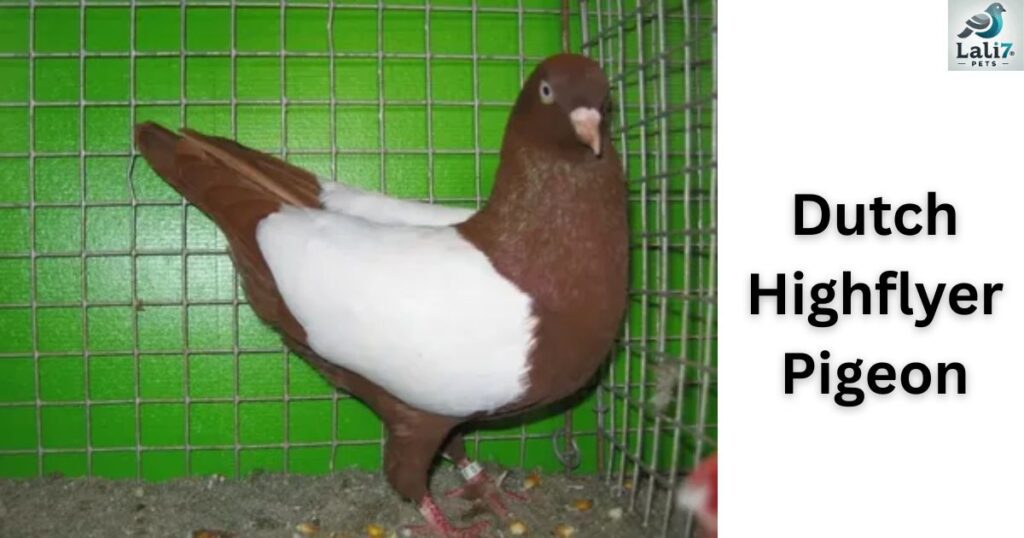
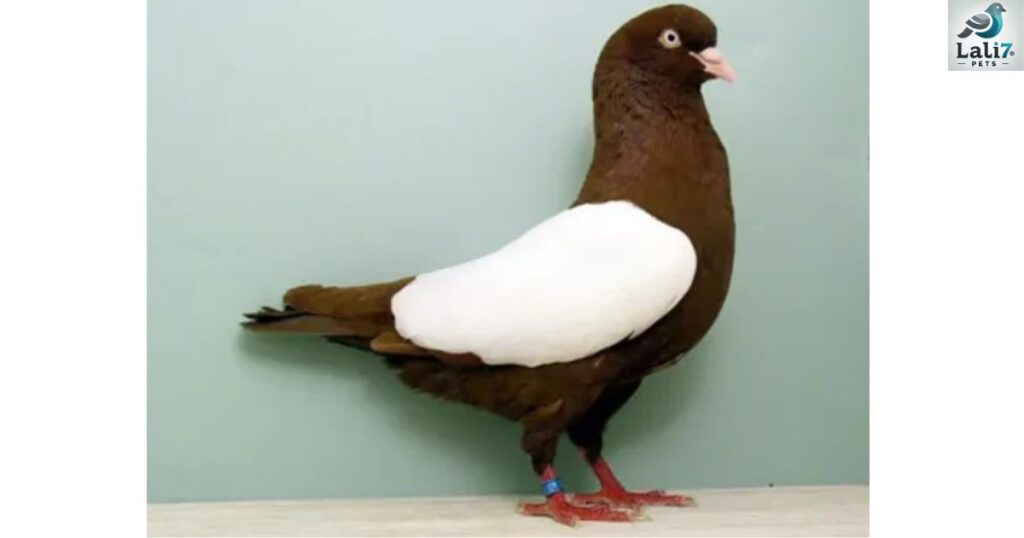
The Dutch Highflyer pigeon is a medium-sized bird with a slim, streamlined body. This sleek shape is essential for reducing drag during high-altitude flights.
They typically have a wedge-shaped head and a medium-length beak. Their posture is upright and alert, always looking ready to take to the skies.
Plumage and Color Varieties
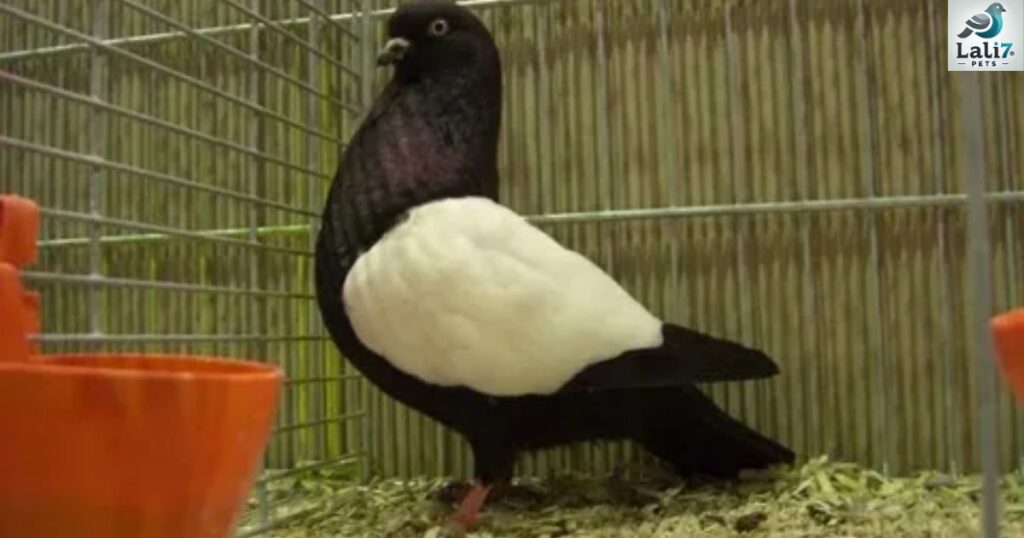
While performance comes first, these birds are also beautiful. Common plumage colors include classic red, yellow, and black.
A famous pattern is the “Chimneysweeper” (Schoorsteenveger), which is black with white flights. You will also find fancy pigeons with whiteside markings, rosewings, and pearl eyes.
Show Type vs. Flying Type
It is crucial to understand the difference between show birds and the flying type. Show types are often bred to be shorter and wider to meet visual standards.
The flying type retains the athletic, muscular build required for endurance flying. If you want performance, always look for the slimmer, active lineage.
Exceptional Flying Abilities and Performance
Flight Style and Altitude
The hallmark of this breed is the vertical ascent. A well-trained kit will rise in tight circles, often taking 15 to 30 minutes to reach “invisible height.”
They can fly at altitudes exceeding 1,000 meters. At this height, they are often above the clouds, visible only with binoculars.
Endurance and Duration
Endurance flying is in their DNA. A standard flight can last anywhere from one to two hours, but champion birds fly much longer.
Historically, these birds were known to fly for 6 to 7 hours easily. Their powerful wings allow them to sustain flight even in cold, thin air.
Aerial Maneuvers vs. Tumbling
There is often confusion about whether they are Tumbler pigeons. The Dutch Highflyer is stable and does not typically somersault or roll during performance flights.
While they have ancestors that may have tumbled, modern breeding discourages this. Tumbling wastes energy that is needed for gaining altitude.
Temperament and Behavior
A Calm and Docile Nature
Despite their high energy in the air, these pigeons are surprisingly calm on the ground. They are known for being docile and easy to handle.
This makes them excellent for families or beginners. They rarely show aggression toward other birds in the pigeon loft.
Intelligence and Homing
The homing instinct of the Dutch Highflyer is quite strong. They bond closely with their loft and their owner.
They are smart birds that quickly learn routines. This intelligence is vital when you are training them to return from great heights.
Care and Management for Dutch Highflyers
Housing Requirements (Loft and Aviary)
Your pigeon loft must be dry, draft-free, and well-ventilated. Overcrowding is the enemy of a healthy flying team.
An attached aviary allows them to get sunlight and fresh air safely. Since they are active flyers, they need enough space to stretch their wings even when not released.
Diet and Nutrition
Proper pigeon nutrition is the fuel for their engine. A light mix of barley, wheat, and milo is often used during the flying season to keep them lean.
During the moult or breeding season, you must increase protein with peas and vetches. Always provide fresh grit and minerals to aid digestion.
Health and Hygiene
Pigeon health should never be neglected. Regular cleaning of the loft prevents respiratory issues and parasites.
You should follow a schedule for deworming and vaccinations, especially for paramyxovirus. A healthy bird is the only bird that will fly high for you.
Training Your Dutch Highflyer for Optimal Performance
The Dropper Method
Pigeon training often involves using a “dropper.” This is a different breed of pigeon, usually a Fantail or a King, that does not fly high.
When you want your Highflyers to land, you release the dropper. The flying kit sees the dropper feeding on the ground and dives down to join them.
Building Duration and Routine
Consistency is key for bird training. Release your birds at the same time every day, preferably when they are hungry.
Do not feed them before a flight. Feed them immediately after they enter the loft to reinforce the trap training.
Seasonal Training Adjustments
In the winter, hawks and falcons can be a problem. Many fanciers keep their birds grounded during high-predator seasons.
Spring is the best time to restart their fitness regimen. Start with short flights and gradually let them stay out longer as their muscles rebuild.
Dutch Highflyer vs. Other High-Flying Pigeons
Difference from Tipplers
The Tippler pigeon is the main competitor when discussing endurance. However, Tipplers are bred strictly for time (long hours), not necessarily altitude.
Dutch Highflyers are bred for the “invisible” height. While a Tippler might fly for 15 hours low, the Dutch bird wants to touch the sun.
Hague Highflyers and Dutch Helmets
The Hague Highflyer is a close cousin but is often slightly larger. They share similar ancestry but have diverged over years of local breeding.
The Dutch Helmet Pigeon is mostly a show breed today. It lacks the extreme stamina and altitude capabilities of the true Highflyer.
Breeding and Community
Basics of Breeding
Breeding pigeons requires patience and a good eye. You should only breed birds that have demonstrated the best flying style and health.
Pairing usually happens in early spring. It takes about 17-18 days for eggs to hatch, and the parents are excellent feeders.
Finding Breeders and Clubs
Finding pure Nederlandse Hoogvlieger stock can be a challenge outside of Europe. Joining pigeon sports clubs is the best way to network.
Look for forums dedicated to competition pigeons. Enthusiasts are usually willing to help new flyers get started with quality young birds.
Conclusion
The dutch highflyer pigeon is a masterpiece of avian engineering, combining beauty, intelligence, and unmatched aerial ability. From their humble origins in the Netherlands to their status as kings of the high sky, they offer a rewarding experience for any keeper. Whether you want to compete in high-altitude flights or simply enjoy the serenity of their company, this breed delivers.
By following the care, diet, and training guidelines in this article, you are setting yourself up for success. There is no feeling quite like watching your own team of birds conquer the clouds. Start your journey today, and let your passion take flight!
Frequently Asked Questions
What are the defining characteristics of a Dutch Highflyer pigeon?
The defining characteristics include a slim, streamlined body, a wedge-shaped head, and a calm temperament. They are most famous for their flying style, which involves ascending vertically in tight circles to great heights.
Where did the Dutch Highflyer pigeon breed originate?
This breed originated in the Netherlands, specifically in the province of Friesland and around Holland. Records of their existence and breeding date back to as early as 1735.
How high and for how long can Dutch Highflyer pigeons fly?
These pigeons can fly at altitudes of 1,000 meters or more, often becoming invisible to the naked eye. A typical flight lasts between 1 to 2 hours, though well-conditioned birds can fly much longer.
Are Dutch Highflyer pigeons suitable as pets, or are they only for competition?
They make excellent pets due to their docile and intelligent nature. While they are bred for competition and flying, they are gentle in the loft and bond well with their owners.
What are the main differences between a Dutch Highflyer and a Tippler pigeon?
The main difference is the flying goal; Tipplers are bred for maximum time duration (endurance), often flying low for many hours. Dutch Highflyers are bred specifically for high altitude and vertical depth.