

When I brought home my first pair of how Big Should a Diamond Backed Pigeon’s Cage Be (properly known as Diamond Doves), I made a rookie mistake. I bought a tall, narrow cage designed for parakeets. I thought the height looked impressive. My birds, however, were miserable. They sat on the bottom, hardly moving.
That is because diamond doves are unique. They are not climbers; they are flyers and ground dwellers.
If you are asking “how big should a diamond backed pigeons cage be,” the short answer is: wider is always better than taller. For a more detailed understanding, consider this guide on How Big Should a Diamond Backed Pigeon’s Cage Be.
For a single pair, the absolute minimum cage size should be 18 inches long x 18 inches wide x 18 inches high. However, to truly keep your birds happy and healthy, you should aim for a 2-foot cube (24″ x 24″ x 24″) or larger.
This guide cuts through the noise to give you the exact cage dimensions, bar spacing, and setup requirements to keep your birds thriving.
- The Golden Rule: Width Over Height
- Detailed Cage Size Recommendations
- Critical Safety: Bar Spacing
- Interior Setup: It’s Not Just About Size
- Breeding Cages: The Need for Extra Space
- Choosing the Right Cage Features
- Step-by-Step Guide: Setting Up Your Dove Habitat
- Frequently Asked Questions
- Conclusion: how Big Should a Diamond Backed Pigeon's Cage Be
The Golden Rule: Width Over Height
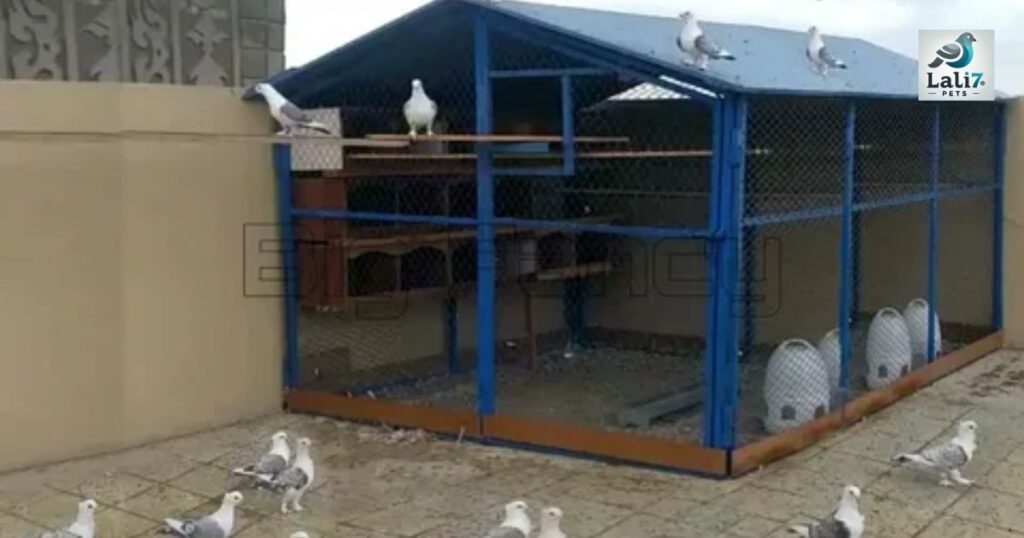
Unlike parrots or finches that hop from branch to branch vertically, a diamond dove pair needs horizontal space. In the wild, they forage on the ground and fly in straight lines.
If you buy a tall, narrow “tower” cage, you are wasting space. The top half of that cage will go unused, while the birds feel cramped at the bottom. You need a wide cage that allows for a short flight from one side to the other.
According to Uptown Pets, the general principle for flighted species is “bigger is better.” They specifically recommend ample floor room because these birds spend a significant portion of their day walking on the ground foraging for seeds.
Detailed Cage Size Recommendations
To give you the most accurate data, we analyzed the top expert resources on dove care. Below is a breakdown of the specific dimensions recommended by breeders and experts.
Summary of Cage Size Recommendations
| Source | Minimum Dimensions (W × D × H) | Bar Spacing | Key Considerations |
|---|---|---|---|
| Caring For Diamond Doves | 13″ × 15″ × 17″ (Absolute Minimum) | ≤ 0.5 inches | Focus on a solid plastic base and varied perches. |
| Uptown Pets | 18″ × 18″ (Floor Space) | ≤ 0.4 inches | Wide cage preferred; emphasize floor room. |
| John Pire (Breeding) | 18″ × 30″ × 18″ (Breeding Pair) | N/A | Length is vital to prevent interference with the breeding ritual. |
The “Ideal” vs. The “Minimum”
While diamonddove suggests a minimum of 13″ x 15″ x 17″, this is tight. This size is barely enough for them to turn around and hop. If you want happy birds, aim for their recommendation of a wooden enclosure that is approximately a 2-foot cube.
If you plan on keeping these birds in an indoor aviary or large flight cage, go as big as your room allows. A flight cage measuring 30 inches in length is excellent for allowing them to stretch their wings.
Critical Safety: Bar Spacing
The size of the cage doesn’t matter if the cage is dangerous. Bar spacing is the most critical safety feature you must check before buying.
Diamond doves have very small, slender heads.
- Safe Spacing: No more than 1/2 inch (0.5″). Ideally, look for 0.4 inches.
- The Danger: If the bars are spaced 5/8″ or wider, a dove can push its head through, get stuck, and panic. This often leads to fatal injuries.
Avoid generic “bird cages” designed for cockatiels or larger parrots, as the bar spacing is usually too wide. Always measure the gap yourself if you are buying second-hand.
Interior Setup: It’s Not Just About Size
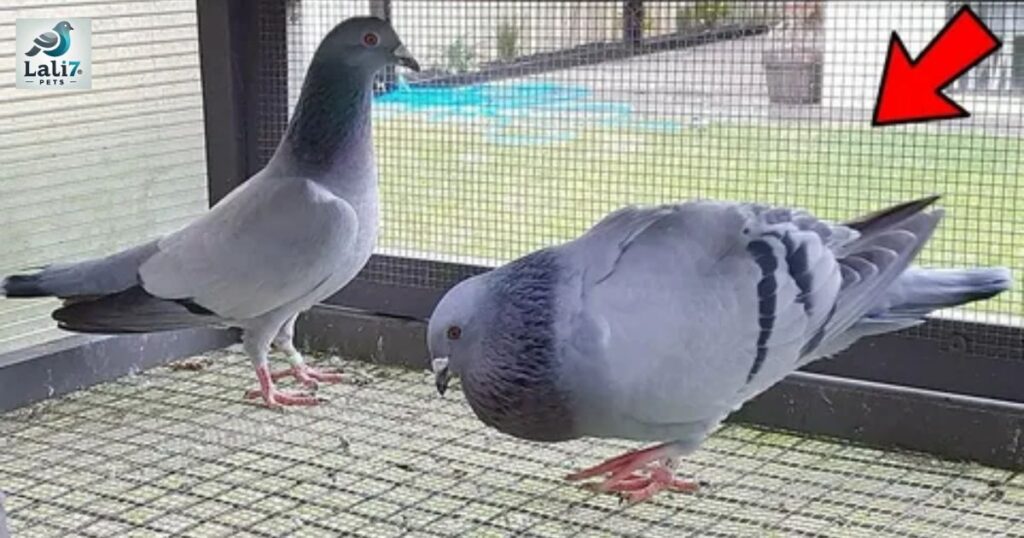
A large cage with the wrong interior is useless. Because diamond doves are ground dwellers, the bottom of the cage is just as important as the perches.
1. The Floor and Grates
Most bird cages come with a wire grate at the bottom to let droppings fall through. While this ensures grate cleanliness, it is hard on dove feet.
- The Fix: Cover the wire grate with paper, or remove it entirely if the cage design allows.
- Walking Surface: They need a flat walking surface. A solid plastic base is often better than sheet metal because it is warmer and easier to wipe down.
2. Perches and Foot Health
If you use the standard smooth wooden dowels that come with the cage, your doves will develop crampy feet or pressure sores.
- Variety is Key: Use natural branches of varying textures and widths. This forces the foot muscles to work differently every time the bird lands.
- Placement: Do not clutter the middle of the cage. Place perches at opposite ends to encourage flight. Ensure you have a landing pad or flat perch near the food dishes.
- Observation: According to uptown-pet, providing varied perch sizes helps maintain healthy feet.
3. Food and Bathing
Since they forage on the ground, some owners place feed and water cups on the floor. However, this leads to poop in the food.
- Best Practice: Hang shallow cups low on the sides of the cage.
- Bathing: Doves love water. Place a cage-mounted birdbath or a heavy, shallow dish on the floor of the cage 2-3 times a week. They will splash around happily.
Breeding Cages: The Need for Extra Space
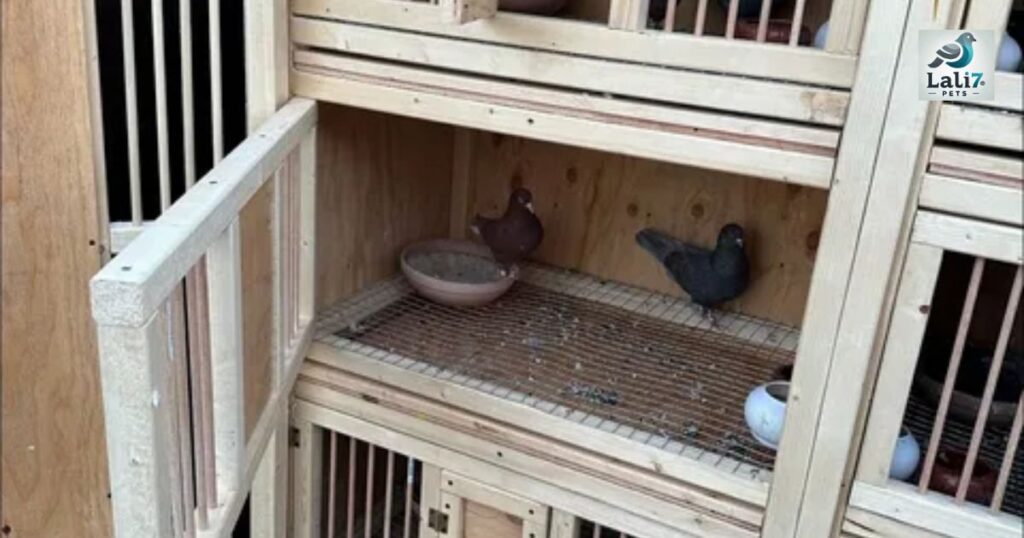
If you plan to breed your diamond dove pair, space becomes even more critical. During the breeding ritual, the male can become aggressive if he feels confined.
John Pire, a noted expert on exoticdove, recommends an individual cage system for breeding.
- Recommended Breeding Size: 18 inches wide x 30 inches long x 18 inches high.
- Why Length Matters: The extra length (30 inches) allows the female to get away from the male if he is driving her too hard.
- Visual Barriers: If you have multiple cages next to each other, use solid partitions. This prevents male aggression triggered by seeing a rival male next door.
Choosing the Right Cage Features
When shopping at retailers like petsmart.com or specialized bird stores, look for these specific features:
- Drop-Down Door: A door that opens downwards (drawbridge style) acts as a perfect landing pad or takeoff platform for your doves when you let them out for exercise.
- Flat-Topped Cage: Dome-top cages look nice but are impractical. A flat-topped cage allows for stacking cages if you get more birds later.
- Light-Colored Cage: Experts suggest a light-colored cage makes it easier to view the birds and looks cleaner in the home.
- Pull-Out Tray: Essential for easy cleaning. Ensure the gap doesn’t leave room for escape when the tray is removed.
Step-by-Step Guide: Setting Up Your Dove Habitat
Follow this simple workflow to ensure your new enclosure is ready for your birds.
Step 1: Verify Dimensions and Spacing Measure the cage dimensions. Ensure it is at least 24 inches wide if possible. Check that bar spacing is under 0.5 inches.
Step 2: Install Perches Place one natural wood perch at one end and another at the opposite end. Leave the middle open for flight. Ensure perches are firmly attached.
Step 3: Prepare the Floor Line the solid plastic base with bird-safe paper or corn cob bedding. If there is a wire grate, cover it with cardboard or a mat to protect their feet.
Step 4: Add Feeding Stations Install two small cups for seed and water. Add a separate small cup for grit/oyster shell (essential for digestion).
Step 5: Nesting (Optional) If you have a pair, attach a small open canary nest basket or a shallow platform in a top corner. Provide dried grass or nesting materials.
Step 6: Placement Put the cage in a draft-free area, preferably against a wall for security. Doves get spooked easily; having a solid wall behind them helps them feel safe.
Frequently Asked Questions
How big should a cage be for 2 diamond doves?
For a pair of diamond doves, the minimum cage size is 18″ x 18″ x 18″. However, a cage that is 30 inches long (horizontally) is much better. This provides enough room for flight and prevents bickering.
What is the best cage for a diamond dove?
The best cage is a rectangular “flight cage” (often sold for finches) that is wider than it is tall. It should have bar spacing of 0.4 inches, a flat top, and a solid tray at the bottom for easy cleaning.
Do diamond doves need a big cage?
Yes. Although they are small birds, they are active. Small cages lead to muscle atrophy and obesity. Because they are flighted species, they need horizontal room to flap their wings.
Do diamond doves need a tall cage or a wide cage?
They absolutely need a wide cage. Vertical height is largely wasted on doves. They do not climb bars like parrots. Always prioritize width and length over height.
What do diamond doves need in their cage?
They need varying textures of perches (natural wood), a flat walking surface (floor space), a shallow water dish for bathing, grit, and a secure location away from drafts.
Can diamond doves live in a small cage?
They can survive in a small cage (13x15x17), but they will not thrive. Small cages cause stress, poor feather condition, and foot problems. If you must use a smaller cage, you must provide daily time outside the cage for flight.
What bar spacing is safe for diamond doves?
The safe zone is 0.4 inches to 0.5 inches. Anything larger than 1/2 inch presents a high risk of the bird getting its head stuck.
Conclusion: how Big Should a Diamond Backed Pigeon’s Cage Be
Choosing the right how Big Should a Diamond Backed Pigeon’s Cage Be for your diamond backed pigeons (diamond doves) is the single most important decision you will make for their welfare. Don’t get distracted by fancy shapes or vertical towers.
Stick to the basics: Wide cage, 0.4-inch bar spacing, and plenty of floor room.
If you provide a spacious habitat with the right perches and diet, these gentle, soft-cooing birds will be happy companions for years. Remember, when in doubt about size, go bigger. Your birds will thank you with their happy coos and active flight.