

When people think about pets, dogs and cats are usually the first animals that come to mind. But did you know that pigeons have been companions to humans for thousands of years? From carrying messages in wars to being symbols of peace, these birds have always been close to us. However, before you bring one home, you might wonder: Is it legal to keep pigeons as pets?
The answer depends on where you live, the type of pigeon you’re planning to keep, and the local laws around animal ownership. This article will give you a detailed, step-by-step guide to help you understand the legal side, practical care, and emotional rewards of owning a pigeon.
- Can You Keep a Wild Pigeon as a Pet?
- Keeping Pigeons and the Law
- Is It Legal to Take a Pigeon From the Park for Free?
- Pet Pigeon: What You Need to Know
- Pet Pigeon Lifespan
- Are Pigeons Good Pets?
- Pigeons as Pets Pros and Cons
- Is It Legal to Keep Pigeons as Pets in Karachi?
- Step-by-Step Guide to Owning a Pet Pigeon Legally
- Final Thoughts
- FAQ: Is It Legal to Keep Pigeons as Pets
Can You Keep a Wild Pigeon as a Pet?
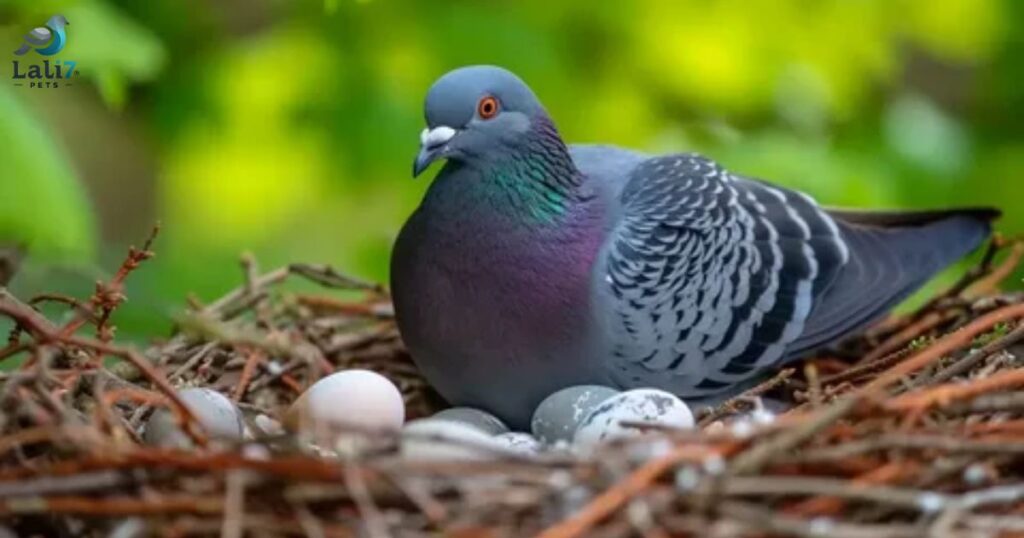
One of the most common questions people ask is: Can you keep a wild pigeon as a pet? The short answer is no. In many countries, keeping a wild pigeon, such as the common rock dove you see in city squares, is restricted by wildlife protection laws. These birds are part of the natural ecosystem, and taking them from the wild can disturb local populations.
Instead, people usually keep domestic pigeon breeds like Fantails, Homers, Tumblers, or Kings. These pigeons have been bred for generations and are no longer suited for survival in the wild. They thrive in homes or aviaries where they receive food, shelter, and companionship.
Quick anecdote: A friend once found an injured wild pigeon and thought about keeping it. But after contacting a local wildlife rescue, she learned it was better to rehabilitate and release it. Instead, she later adopted a domestic pigeon—and it became the most affectionate pet she ever had!
Keeping Pigeons and the Law
So, what about keeping pigeons and the law in general?
Most regions allow people to keep domesticated pigeons as pets without any special licenses. However, there are some exceptions. In certain places, like New York City, there are regulations about keeping a large flock in residential areas due to noise and sanitation concerns.
If you’re unsure, it’s best to check your local animal control office or municipal regulations. Laws vary by city and country, and staying informed helps you avoid unnecessary legal trouble.
Is It Legal to Take a Pigeon From the Park for Free?
You might be tempted to scoop up a pigeon from a park, but here’s the truth: Is it legal to take a pigeon from the park for free? Absolutely not.
Park pigeons are considered wild, and removing them is often illegal. Even if the law doesn’t explicitly forbid it, wild pigeons are not suitable as pets. They are used to living outdoors, may carry diseases, and often struggle when confined.
If you really want a pet pigeon, the safest and most legal route is to adopt from a pigeon rescue or buy from a reputable breeder. This way, you’re giving a home to a bird that truly needs one.
Pet Pigeon: What You Need to Know

Owning a pet pigeon can be an amazing experience. These birds are gentle, calm, and surprisingly affectionate. They don’t bite like parrots, and they’re less demanding compared to other exotic birds.
But caring for a pigeon means providing the right setup:
- A large cage or aviary
- Daily fresh food and water
- Out-of-cage time for exercise
- Companionship (either another pigeon or plenty of human interaction)
With proper care, pigeons can become lifelong companions that recognize you, bond with you, and even follow you around the house.
Pet Pigeon Lifespan
Before committing, you should know the pet pigeon lifespan. On average, a domestic pigeon can live 10 to 15 years, though some live over 20 years with excellent care.
This makes them a long-term commitment, similar to owning a dog or cat. If you’re considering one, ensure you’re prepared for the level of responsibility.
Are Pigeons Good Pets?
Many people still ask: Are pigeons good pets? The answer is a resounding yes—but with conditions.
They’re excellent for people who want a calm, quiet, and affectionate bird. Unlike parrots, pigeons don’t scream or demand constant attention. They’re easy to feed, usually friendly with children, and can even coexist peacefully with cats and dogs when supervised.
However, the downside is that pigeons do poop frequently. Luckily, with pigeon pants (adorable little harnesses with diapers), or proper training, you can manage this easily indoors.
Pigeons as Pets Pros and Cons
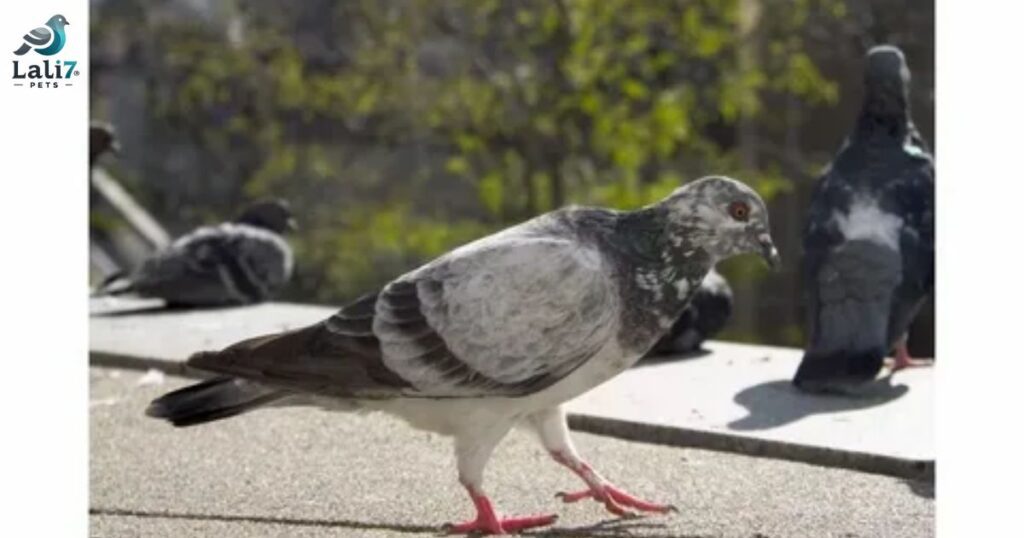
Like any pet, there are pigeons as pets pros and cons:
Pros
- Gentle and affectionate
- Easy to care for compared to exotic birds
- Long lifespan for companionship
- Quiet and calm nature
- Can live indoors or outdoors in an aviary
Cons
- Require cleaning daily to maintain hygiene
- Need companionship (another pigeon or human)
- Cannot be released into the wild if raised domestically
- May not be legal in every housing situation (check local laws)
By weighing these pros and cons, you’ll know if pigeons are the right fit for your lifestyle.
Is It Legal to Keep Pigeons as Pets in Karachi?
If you live in Pakistan, you may wonder: Is it legal to keep pigeons as pets in Karachi? The answer is yes. In fact, Karachi has a long history of pigeon keeping. Pigeon racing and rooftop lofts are part of the local culture.
However, you should still follow basic guidelines to avoid complaints from neighbors or potential fines. Large flocks might attract unwanted attention if not managed well. Keep your pigeons healthy, clean, and well-housed to ensure you stay within community standards.
Step-by-Step Guide to Owning a Pet Pigeon Legally
If you’re convinced that a pigeon is the right pet for you, here’s a simple step-by-step guide to get started:
- Check Local Laws – Contact your local animal control office or municipality.
- Choose Domestic Breeds Only – Avoid taking wild pigeons; instead, adopt or buy from rescues or breeders.
- Prepare a Safe Living Space – An indoor cage or an outdoor aviary that’s predator-proof and comfortable.
- Learn About Pigeon Diet – Provide a mix of seeds, grains, and pigeon-specific pellets.
- Offer Daily Interaction – Pigeons are social creatures and need companionship.
- Stay Consistent With Care – Fresh water, clean surroundings, and regular health checkups keep them thriving.
By following these steps, you’ll have peace of mind knowing that you’re caring for your pigeon legally and responsibly.
Final Thoughts
So, is it legal to keep pigeons as pets? In most cases, yes, especially when you adopt or buy domestic breeds and respect your local laws. Pigeons are affectionate, loyal, and calming companions that deserve loving homes.
Whether you’re in the U.S., Europe, or even Karachi, pigeons have a long history with humans, and they continue to bring joy to those who welcome them. With the right knowledge and preparation, you can confidently own a pigeon and give it the safe, happy life it deserves.
FAQ: Is It Legal to Keep Pigeons as Pets
Can I have a pet pigeon?
Yes, you can have a pet pigeon if it’s a domestic breed and local laws allow it, but keeping wild pigeons is generally illegal.
Will a pet pigeon fly away?
A tame pet pigeon usually bonds with its owner and stays close, but it should never be released outdoors without proper training or a secure aviary.
Do pet pigeons carry disease?
Healthy, well-cared-for pet pigeons rarely pose health risks, but like all birds, they require cleanliness and regular care to prevent disease.
Are pigeons domestic pets?
Yes, many breeds, such as Fantails, Kings, and Homers, are domesticated pigeons that thrive as household pets and cannot survive in the wild.
How long do pet pigeons live?
A pet pigeon’s lifespan averages 10–15 years, with some living over 20 years when given proper care and attention.