
Last Updated: January 4, 2026
When you think of pigeons, you might picture the common birds found in city parks. However, the world of fancy pigeon breeds offers a level of elegance and variety that surprises most people. Standing out among these are the Lucerne pigeons. Originating from the scenic landscapes of Switzerland, these birds are not just famous for their beauty but also for their calm and friendly personalities.
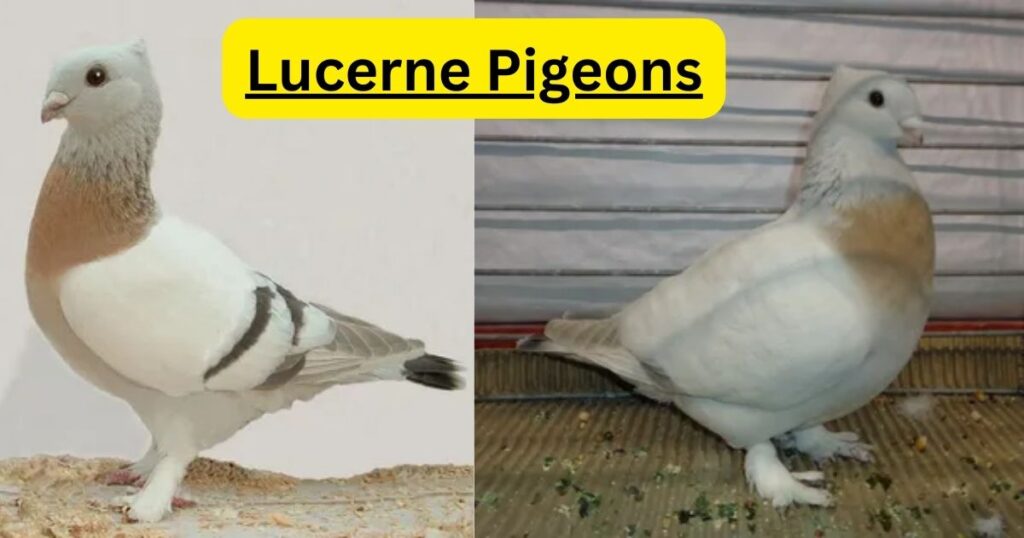
Whether you are an experienced breeder looking for a new exhibition bird or a beginner wanting a docile pet, the Lucerne family of pigeons has something to offer. They are celebrated for their distinctive high peak crests, lovely groused legs (feathered feet), and striking eyes. Unlike some purely ornamental breeds, many Lucerne varieties still possess excellent flying ability.
Origin and History of the Lucerne Breeds
The history of the Lucerne pigeon is deeply rooted in Switzerland, specifically within the Canton of Lucerne. These breeds did not appear overnight. They are the result of careful, selective breeding that took place largely during the 19th century.
Breeders in Switzerland began with the common Rock Pigeon (Columba livia) and crossed it with various Swiss varieties and Owl breeds. The goal was to create a bird that was visually stunning but also maintained a distinct structural standard. While American enthusiasts often classify them as “color pigeons” because of their vibrant markings, European standards place a huge emphasis on their body shape and posture.
Today, these birds are recognized globally. They serve as a testament to the dedication of Swiss breeders who wanted to perfect a bird that balanced the grace of a flyer with the sophistication of a show bird.
General Physical Characteristics
While there are several sub-varieties, a “Lucerne” pigeon is instantly recognizable if you know what to look for. They share a family resemblance that sets them apart from other domestic pigeons.
The most defining features include:
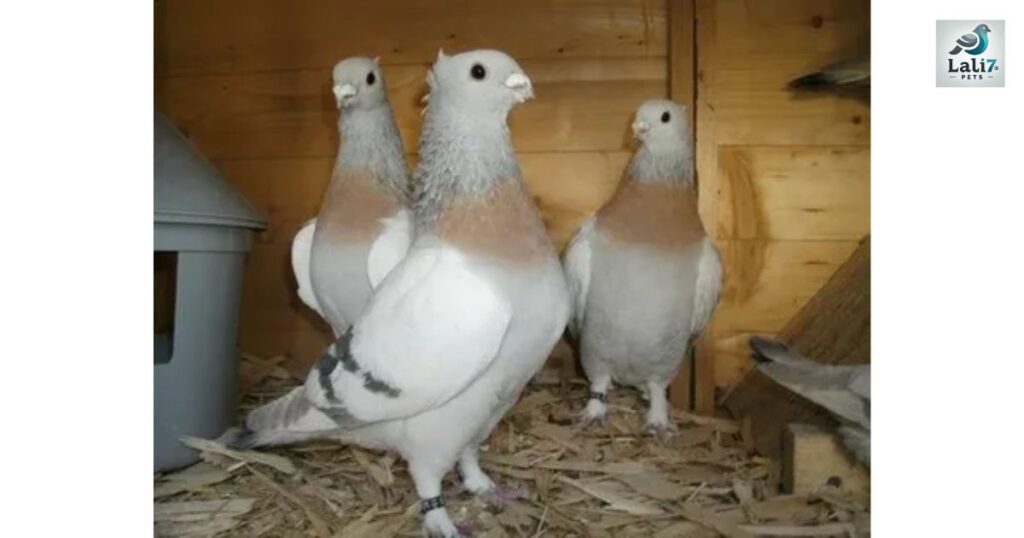
- High Peak Crest: A prominent crest of feathers at the back of the head that gives them a regal appearance.
- Groused Legs: Their legs are not bare; they are covered in feathers, adding to their soft, ornamental look.
- Large Dark Eyes: These give the bird a gentle, doe-eyed expression that owners love.
- Beak: Generally somewhat short, often associated with their Owl pigeon ancestry.
These physical traits make them favorites in the showroom, where judges look for the perfect balance between color and structure.
Exploring the Unique Varieties of Lucerne Pigeons
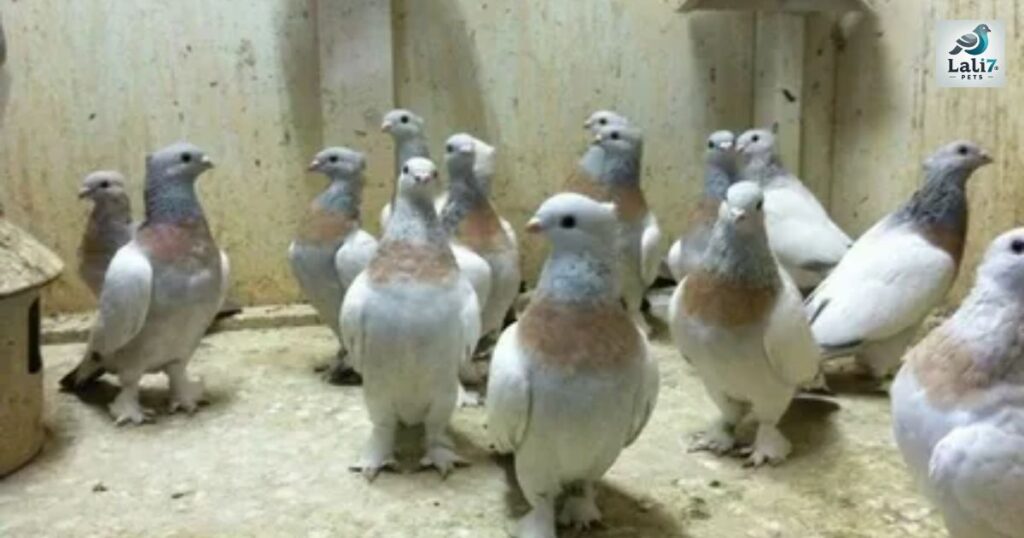
The term “Lucerne pigeon” is actually an umbrella for several distinct breeds. Each has its own unique color patterns and quirks, though they share the same Swiss heritage.
1. Lucerne Shield Pigeon
Often called the “Pixie of the Swiss Pigeon Breeds,” the Lucerne Shield is perhaps the most charming of the group. It is small, compact, and lively.
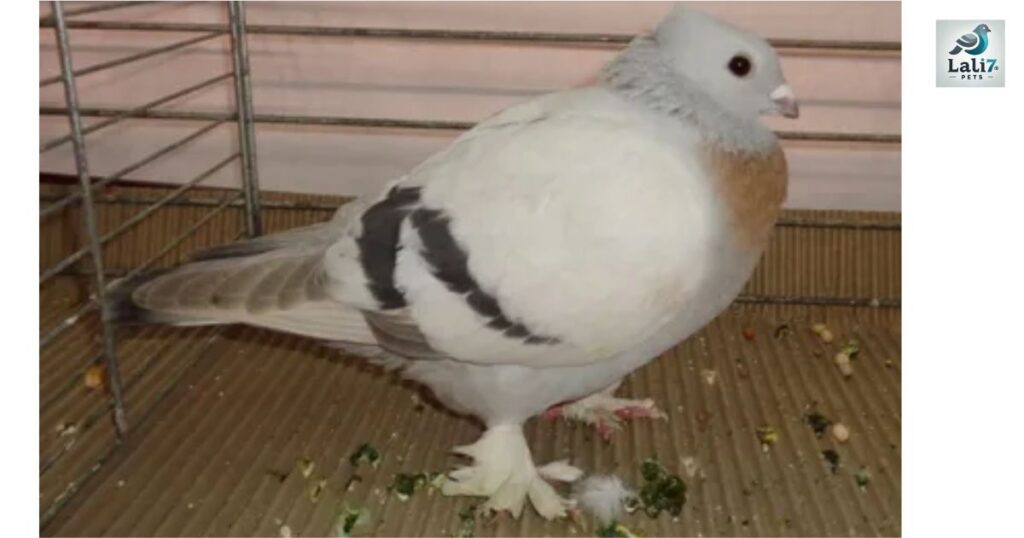
The body color is usually a clean, crisp white or bluish-gray, but the “shield” (the wing area) is where the magic happens. The wings often feature two black wing bands, and the tail may have a matching black tip. Some variations include iridescent feathers around the throat that shimmer in the sunlight. Their wing patterns can vary between solid bars, dark spots, or a plain, clean finish.
Key Characteristics of the Lucerne Shield:
| Feature | Details |
|---|---|
| Cranial Structure | Unique, somewhat unusually shaped head |
| Head Decoration | Features a high peak crest |
| Eye Appearance | Prominent, large dark eyes |
| Leg Feathering | Groused (feathered) legs |
| Primary Color | Variable, frequently bluish-gray |
| Wing Markings | Can be plain, spotted, or have two bars |
2. Lucerne White-tail Pigeon
This breed is defined by contrast. As the name suggests, the Lucerne White-tail Pigeon features a brilliant white tail that stands out sharply against a colored body.
It is a bird of elegance. Breeders prize it for its balanced body structure and elegant head. It is a medium-sized bird, neither too heavy nor too frail. The legs are short and sturdy, covered in the characteristic “grouse” feathering. Beyond its looks, this variety is known for retaining strong flying capabilities, making it a joy to watch in the air.
Profile of the Lucerne White-tail:
| Feature | Details |
|---|---|
| Body Size | Medium, compact, and well-balanced |
| Head Style | Elegant shape with a high peak crest |
| Visuals | Striking large dark eyes |
| Lower Body | Short, sturdy legs with feathering (groused) |
| Distinctive Trait | Predominantly white tail contrasting with body color |
| Plumage | Body color varies, but the white tail is mandatory |
3. Lucerne Tiger-head Pigeon
The Lucerne Tiger-head is named for its dramatic markings and specific head shape, which some enthusiasts liken to a tiger.
This bird is an exhibition favorite. It is generally lightweight and medium-sized. One of the most fascinating aspects of the Tiger-head is its behavior; they are known for a distinctive ‘head bobbing’ motion when they walk. This quirk, combined with their striking color patches, makes them highly entertaining to watch in an aviary.
Snapshot of the Lucerne Tiger-head:
| Feature | Details |
|---|---|
| Origin Point | Canton of Lucerne, Switzerland |
| Build | Medium size, generally lightweight |
| Primary Use | Exhibition shows, ornamental pets |
| Temperament | Friendly and docile |
| Unique Behavior | Head bobbing while walking |
4. Lucerne Gold and Copper Collar Pigeons
These birds are the gems of the Lucerne family. They are named for the brilliant “ring” or collar of color around their necks.
- Lucerne Gold Collar: This bird features a rich, clear golden-yellow neck collar. This gold ring pops against a body that is typically white or grayish-white. It is a small-to-medium bird, usually weighing between 395 and 425 grams. Breeders may produce them with brown-black bars on their wings or as “barless” varieties.
- Lucerne Copper Collar (Luzerner Kupferkragen): Similar in structure to the Gold Collar but features a deep copper-colored neck ring. Like its golden cousin, it is bred in barred and barless forms.
Both varieties are recognized for having a good flying range, making them suitable for owners who want birds that can perform as well as they pose.
Gold Collar Quick Facts:
| Feature | Details |
|---|---|
| Breed Name | Lucerne Gold Collar |
| Origin | Switzerland |
| Bird Size | Medium |
| Aerial Skill | Good flying range |
| Color Palette | Mix of grey, white, and gold |
| Usage | Flying and Exhibitions |
Other Subcategories
The diversity doesn’t stop there. The Lucerne family also includes the ‘Self Lucerne’ (known in German as Luzerner Einfarbige), which displays solid colors, and the ‘Lucerne Elmer’, another distinct subcategory recognized by serious fanciers.
Temperament and Behavior
One of the main reasons Lucerne pigeons are gaining popularity outside of the show ring is their personality. These birds are consistently described as calm, docile, and friendly.
Unlike some high-strung racing breeds, Lucernes are generally happy to interact with their owners. This makes them excellent companion birds and suitable pets for families. They settle well into captivity and are not known to be aggressive toward other birds, provided they have enough space.
While they are show birds, do not underestimate their athleticism. Many Lucerne varieties are capable flyers. If you have a secure flight area or live in a zone where free flight is safe, watching them take to the sky is a rewarding experience.
Care and Maintenance Guide
Raising Lucerne pigeons requires attention to detail, but it is not overly difficult. Whether you keep them in a loft or a garden aviary, their needs are straightforward.
1. Housing and Environment
To keep your pigeons healthy, you must provide a clean, spacious living environment.
- Shelter: The loft or coop must be dry and draft-free. While they are hardy, they need shelter from extreme wind, rain, and snow.
- Space: Avoid overcrowding. Overcrowding leads to stress and disease.
- Perches: Provide plenty of perching spots. Because they have feathered legs, ensure the perches are kept clean so manure does not clump in their foot feathers.
- Nesting: If you plan to breed, offer designated nesting boxes with appropriate nesting material.
2. Diet and Nutrition
A healthy pigeon is a beautiful pigeon. You cannot rely on kitchen scraps.
- Base Diet: Feed a balanced mix of grains, seeds, and legumes (like peas). Commercial pigeon mixes are often the best choice as they provide a correct nutritional balance.
- Greens: Supplement their diet with chopped fresh greens (like kale or spinach) for extra vitamins.
- Grit: Pigeons have no teeth. You must provide fine grit to help them grind down their food in the gizzard.
- Calcium: During the breeding season, add crushed oyster shell to their diet to ensure strong eggshells.
- Water: Fresh, clean water must be available at all times.
3. Hygiene and Health Checks
Prevention is better than a cure.
- Cleaning: Clean the loft regularly. Remove droppings daily if possible to prevent ammonia buildup and bacteria.
- Parasite Control: External parasites like lice and mites can ruin their beautiful plumage. Use appropriate bird-safe insecticides or baths.
- Worms: Internal worms (roundworms, hairworms, tapeworms) are common. Establish a deworming schedule with a veterinarian.
Common Pigeon Diseases
Even with the best care, pigeons can get sick. Being aware of the symptoms can save your bird’s life. The most frequently mentioned diseases for pigeons include:
- Canker (Trichomoniasis): A protozoan infection causing yellowish growth in the throat.
- Paratyphoid (Salmonella): A bacterial infection affecting joints and digestion.
- Paramyxovirus (PMV): A serious viral disease causing nervous system issues (twisted neck) and watery droppings. Vaccinations are essential for this.
- Coccidiosis: An intestinal issue often triggered by damp conditions.
- Ornithosis: A respiratory infection.
- Adeno-Coli Syndrome: A complex sickness often affecting young birds (squabs).
- Candida: A fungal yeast infection, often following antibiotic use.
Most of these are spread through unsanitary conditions or contaminated water. Maintaining a strict cleaning schedule and quarantining new birds before introducing them to your flock are your best defenses.
Frequently Asked Questions (FAQs)
What is the lifespan of a Lucerne pigeon?
Like other domestic pigeons, Lucerne pigeons can live a long time with proper care. In captivity, they typically live up to 15 years. There have been records of some individuals reaching an impressive 24 years of age. This is significantly longer than feral pigeons, which usually only survive 3 to 5 years in the wild.
What are the common characteristics of Lucerne pigeons?
Lucerne pigeons are defined by a specific set of physical traits known as the “Lucerne” standard. These include a high peak crest on the head, large dark eyes, and groused (feathered) legs. They generally have a somewhat short beak, reflecting their Owl pigeon ancestry.
Where do Lucerne pigeons originate from?
As the name implies, these breeds originate from Lucerne, Switzerland. They were developed in the 19th century in the Canton of Lucerne through the cross-breeding of Rock Pigeons (Columba livia) with Swiss varieties and Owl breeds.
Are Lucerne pigeons suitable as pets?
Yes, they make excellent pets. Their temperament is consistently described as docile, calm, and friendly. They are not overly aggressive and can bond well with their owners, making them great companion birds for hobbyists and families.
What are the different types or subcategories of Lucerne pigeons?
There are several recognized varieties, including the Lucerne Shield Pigeon, Lucerne White-tail, Lucerne Tiger-head, Lucerne Gold Collar, and Lucerne Copper Collar. Other subcategories include the ‘Self Lucerne’ (solid color) and the ‘Lucerne Elmer’.
How should Lucerne pigeons be cared for?
They require a clean, dry loft or aviary that protects them from harsh weather. Their diet should consist of a mix of grains, seeds, legumes, and greens, supplemented with grit and fresh water. Because they have feathered legs, keeping the floor of their housing clean is vital to prevent matting and infection.
What are the most common diseases affecting pigeons?
Pigeons are susceptible to Paratyphoid (Salmonella), Paramyxovirus (PMV), and Canker (Trichomoniasis). They can also suffer from Coccidiosis, worms (roundworms, tapeworms), adeno-colitis syndrome, Ornithosis, and fungal infections like Candida. Regular health checks and vaccinations are recommended.
Conclusion
The Lucerne pigeon is more than just a bird; it is a piece of living Swiss history. From the playful “Pixie” Shield Pigeon to the elegant White-tail and the striking Gold Collar, this group of breeds offers diversity, beauty, and charm.
Their docile temperament makes them approachable for beginners, while their specific show standards provide a rewarding challenge for expert breeders. By understanding their origins, meeting their dietary needs, and maintaining a clean environment to prevent disease, you can enjoy the company of these spectacular birds for over a decade. Whether you keep them for their flying skills or their stunning appearance in the coop, Lucerne pigeons are a delightful addition to any avian enthusiast’s life.