
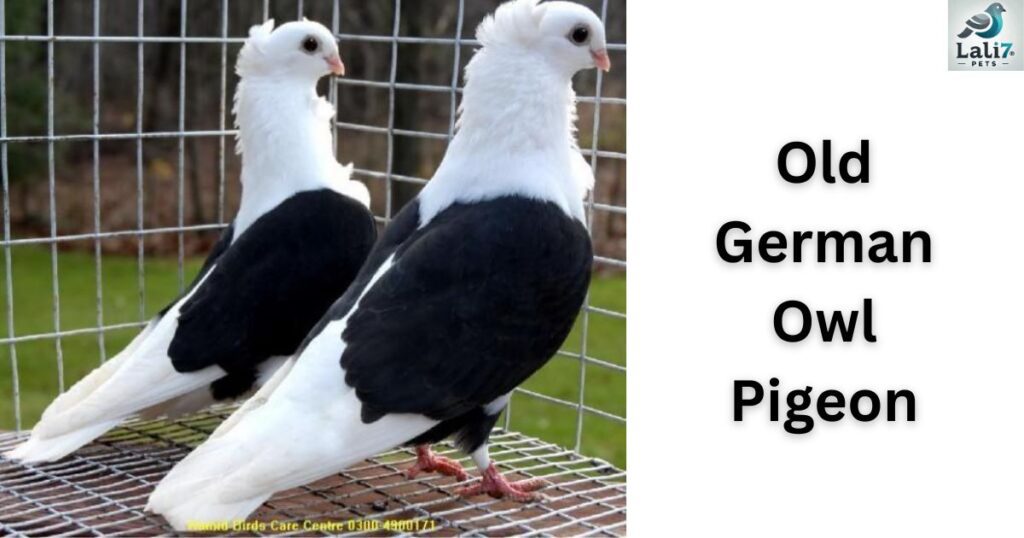
The old German owl pigeon is one of the most captivating breeds in the world of aviculture. Known as a domestic fancy pigeon, it attracts enthusiasts who want a bird that is both beautiful and gentle. Many new owners struggle to find a single resource that covers everything from their history to advanced show preparation.
This bird, also known as the Altdeutsches Mövchen, features a stunning shell crest and a unique personality that sets it apart. If you are looking for a pet or a show bird that combines elegance with a calm demeanor, you have found the right breed. The intricate markings and friendly nature make them a favorite among pigeon fanciers.
Keep reading to discover the secrets of keeping this magnificent breed happy and healthy. This guide covers every detail, ensuring you become an expert on their specific needs. You will learn exactly how to care for, breed, and exhibit this wonderful bird.
A Deep Dive into History and Origin

The German Connection
The roots of this breed run deep in European history, specifically originating in Germany. The Altdeutsches Mövchen was developed by dedicated breeders who wanted to revive the classic look of the original “shield” owls. These birds were refined over decades to create the consistent type we see today.
Unlike some breeds that evolved naturally, this domestic fancy pigeon was a product of intentional selection. Breeders focused on preserving the “old” style, which features a slightly longer beak than modern short-faced owls. This makes them hardier and easier to raise than their cousins.
Evolution of the Breed
Historically, the old german owl pigeon was part of a larger group of “Mövchen” or “Little Gull” pigeons. They were named for their resemblance to seagulls in color and pattern. Over time, specific traits like the shell crest became mandatory for the standard.
Today, the breed has gained international recognition. Organizations like the National Pigeon Association recognize them as a distinct and standardized breed. They have moved from being humble farm birds to stars of the exhibition hall.
Physical Characteristics and Appearance
The Head and Crest
The head of an old German owl pigeon is broad and round, giving it a cute, chubby appearance. The most striking feature is the shell crest on the back of the head. This crest should be upright and thick, framing the head like a beautiful hood.
Their eyes are typically large and dark, often referred to as bull eyes. These dark eyes provide a soft, intelligent expression that melts the hearts of judges and owners alike. The beak is short but not nonexistent, allowing them to feed their young effectively.
Body Structure and The Frill
These birds are small to medium in size, with a compact and cobby body. A key characteristic of frilled pigeons is the row of reversed feathers running down the chest. This is known as the frill or jabot, and it is a required feature for the breed.
They also possess a dewlap, which is a small fold of skin under the beak. The combination of the frill, the crest, and the compact body creates a balanced and elegant look. They should stand proudly, showing off their broad chest.
Colors and Patterns
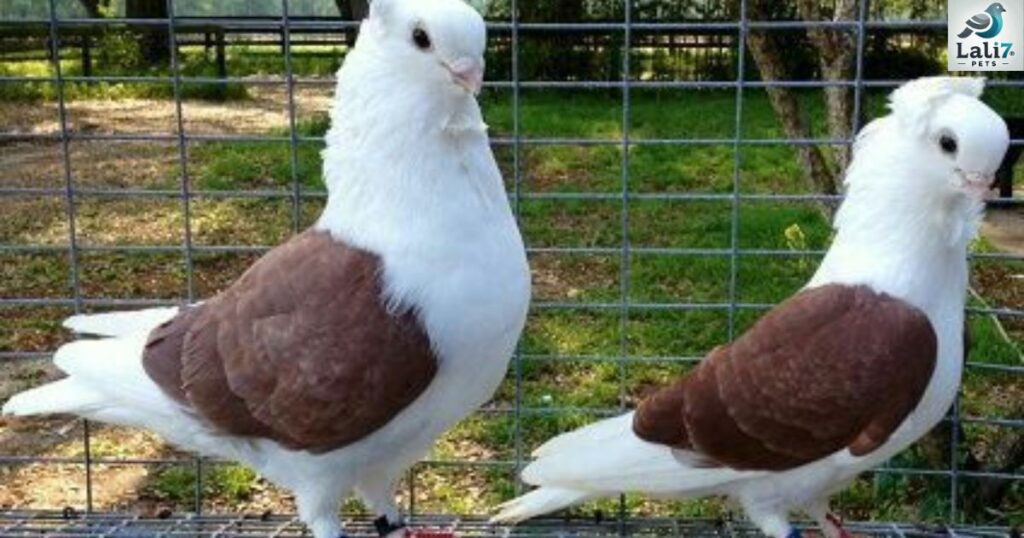
The old german owl pigeon is famous for its shield markings. The body is predominantly white, while the wings (the shield) are colored. Color variants are vast, ranging from black, red, and yellow to blue and silver.
Pigeon patterns within the shield can include bars or checks. For example, you might see a Blue Bar Shield or a Red Check Shield. The contrast between the snowy white body and the colored wings makes them stand out in any pigeon loft.
Temperament and Behavior

A Gentle Personality
The Old German Owl pigeon personality is famous for being calm and docile. Unlike some flighty breeds, they are quite grounded and tolerate human presence well. This makes them an excellent choice for a pet pigeon.
They are rarely aggressive toward other birds. This peaceful nature allows them to live in a community loft without causing fights. Their gentle demeanor is perfect for families or beginners entering the hobby.
Interaction and Training
Because they are smart, they can be tamed with patience. Many owners hand-feed them treats to build a bond. While they are not high-flying performance birds, they enjoy simple interactions.
You can train them for ornamental purposes to stand calmly during judging. They respond well to routine and gentle handling. A well-socialized owl pigeon will often fly to its owner’s hand or shoulder.
Housing and Loft Requirements
Building the Perfect Space
Pigeon loft requirements for this breed focus on dryness and draft protection. Since they are a fancy breed, they do not need massive aviaries for long-distance flying. A secure, well-ventilated loft is essential to keep them healthy.
Each pair should have a designated nesting box. The Old German Owl pigeon is territorial about its nest but peaceful otherwise. Ensure the floor is easy to clean to prevent bacterial buildup.
Environmental Enrichment
Enrichment is vital for their mental health. Provide different levels of perches and flat surfaces for resting. Keeping Old German Owl pigeons happy involves giving them space to stretch their wings and bathe.
Bathwater should be offered a few times a week. They love to splash around, which helps keep their feathers in top condition. Always remove the bath water after they are done to keep the loft dry.
Feeding and Nutrition
The Ideal Diet
An Old German Owl pigeon diet must be balanced to maintain their weight and feather quality. A high-quality commercial pigeon mix containing peas, corn, wheat, and milo is the foundation. Avoid feeds that are too high in corn during the summer to prevent obesity.
Pellets can be added to ensure they get all necessary micronutrients. Because they are a fancy breed, their dietary needs change during molting and breeding seasons. Increase protein levels when they are raising squabs.
Supplements and Grit
Pigeons do not have teeth, so they need grit to digest their food. Offer a bowl of red grit and oyster shell at all times. This aids digestion and provides calcium for strong eggshells.
Vitamins are also important for Old German Owl pigeon health. Add a water-soluble multi-vitamin to their drinker once a week. Probiotics can also help maintain a healthy gut flora.
Breeding Essentials
Genetics and Pairing
Breeding fancy pigeons requires an understanding of their traits. Pigeon genetics explained simply means selecting parents that complement each other. If one bird has a small crest, pair it with one that has a massive crest.
These birds are monogamous pigeons, meaning they mate for life. Once a pair is bonded, they will work together to build a nest and raise a family. Breeding usually starts in the spring as the days get longer.
Raising the Young
The incubation period pigeons undergo is roughly 17 to 19 days. Both parents take turns sitting on the eggs. Once hatched, the parents feed the babies pigeon milk, a specialized secretion from their crop.
Unlike extreme short-faced breeds, Old German Owls can typically raise their own young. However, some show breeders use foster parents pigeons to ensure maximum survival rates. This is not strictly necessary for the average hobbyist.
Common Breeding Challenges
One challenge is the “lethal factor” in some pigeon genetics. However, this is less common in Owls than in other breeds. The main issue is often the short beak making it slightly harder to feed squabs.
Monitor the babies closely for the first few days. If the parents are struggling, you may need to hand-feed or supplement. Ensure the nest bowl is deep enough to prevent “splayed legs” in the chicks.
Health and Wellness
Preventing Respiratory Issues
Respiratory health is critical for Altdeutsches Mövchen care. Their shorter nasal passages make them susceptible to dust and humidity. A damp loft is the enemy of this breed.
Ensure excellent ventilation without direct drafts. If you hear sneezing or see nasal discharge, isolate the bird immediately. Keeping the air fresh is the best prevention.
Parasite Control
External parasites like lice and mites can ruin the feathers of a show pigeon. treating the birds and the loft regularly is mandatory. Permethrin sprays or drops are commonly used.
Internal worms can also drag down their health. A scheduled deworming routine, usually twice a year, keeps them in peak condition. Always consult a vet for specific Old German Owl pigeon health advice.
Exhibition and Shows
Understanding the Standard
To win at a show, your bird must meet the pigeon show standards. Judges look for a perfect shell crest, a clean bib, and intense shield coloring. The body must be cobby and the station (posture) upright.
Joining the Old German Owl Club or similar organizations helps you learn the nuances. They provide detailed standard guides. Knowing exactly what a “perfect” bird looks like is key to success.
Preparing for the Show Pen
Preparation begins months before the show. The bird must be in perfect feather condition. Bathing them frequently helps tighten the feathers.
Training is also essential for the exhibition. Place the bird in a show cage daily so it gets used to the environment. Use a judging stick to train the bird to pose proudly rather than crouching in fear.
Pricing and Acquisition
Buying Your First Birds
How much do Old German Owl pigeons cost? The price varies wildly based on quality. A pet-quality bird might cost $25 to $50. However, a champion bloodline show bird can cost hundreds of dollars.
Altdeutsches Mövchen for sale listings can be found online or at pigeon shows. It is always better to buy from a reputable breeder than a generic pet store. Breeders can provide background on the bird’s health and lineage.
What to Look For
When buying, check for bright bull eyes and clean feathers. The bird should be alert and active. Avoid birds that are puffed up or sitting in the corner.
Ask the seller about the bird’s age and vaccination history. If you plan to breed, ask to see the parents if possible. This gives you a clue about the genetic potential of your new bird.
Conclusion
The old German owl pigeon is a masterpiece of the fancy pigeon world. From their stunning shell crest to their gentle temperament, they offer everything a bird lover could want. Whether you want a competitive show pigeon or a loving pet, this breed fits the bill.
By following this guide, you now have the knowledge to provide top-tier care. You understand their diet, housing, and breeding needs. Start your journey with these beautiful birds today, and enjoy the rewarding experience of the pigeon hobby.
Frequently Asked Questions
What is an Old German Owl pigeon?
The Old German Owl is a breed of domestic fancy pigeon originating in Germany. They are known for their small size, white bodies with colored wing shields, a shell crest on the head, and a frill of feathers on the chest. They are primarily kept for exhibition and as pets.
What are the physical characteristics of an Old German Owl pigeon?
Key characteristics include a broad head with a shell crest, dark bull eyes, and a short beak. They have a compact, cobby body with a frill running down the breast. Their markings are distinct, featuring a white body and colored wings (shields).
What is the temperament of an Old German Owl pigeon?
They have a very calm and gentle Old German Owl pigeon personality. They are easily tamed and tolerate handling well, making them excellent pets. Their peaceful nature allows them to co-exist happily with other non-aggressive pigeon breeds.
How do I care for Old German Owl pigeons?
Altdeutsches Mövchen care requires a dry, draft-free loft and a balanced diet of grains and pellets. They need access to grit, fresh water for drinking and bathing, and regular health checks for parasites. Cleanliness in the loft is crucial to prevent respiratory issues.
How much do Old German Owl pigeons cost?
Prices vary depending on the bird’s quality and lineage. Pet-quality birds typically cost between $30 and $50. High-quality show birds from champion bloodlines can range from $100 to over $300 per bird.