
Imagine this scenario: You have spent months preparing your champion racer. The bird looks decent, perhaps a little quiet, but you basket them for the big race. They return days late, exhausted, with a dirty nose and one eye slightly swollen. You treated them for a cold, but they just aren’t bouncing back.
This heartbreaking story is all too common in the loft, and the culprit is often a silent, stubborn enemy: Ornithosis.
Also known as Avian Chlamydiosis or Psittacosis, Ornithosis pigeon disease is one of the most frustrating challenges a fancier can face. It is not just a simple cold; it is a complex bacterial infection that ruins racing pigeon health, destroys breeding seasons, and, shockingly, can even make you sick.
In this comprehensive guide, we will break down exactly how to identify, treat, and banish this disease from your loft forever.
- Introduction to Ornithosis in Pigeons
- Understanding the Enemy: Chlamydia psittaci
- Transmission and Spread of Ornithosis in Pigeon Lofts
- Recognizing the Signs: Symptoms of Ornithosis in Pigeons
- The Ornithosis Complex: Differentiating from Similar Diseases
- Treatment Strategies for Ornithosis in Pigeons
- Advanced Prevention and Biosecurity Measures
- The Zoonotic Risk: Ornithosis in Humans
- Conclusion: Maintaining a Healthy Loft and Preventing Outbreaks
- Frequently Asked Questions (FAQs)
Introduction to Ornithosis in Pigeons
Ornithosis is a highly infectious disease caused by the bacterium Chlamydophila psittaci (formerly known as Chlamydia psittaci). While it affects many bird species, it is particularly devastating in pigeons because it often masquerades as other issues.
Why is this a critical concern for you? Because Ornithosis is rarely a solo actor. It opens the door for other infections, destroying your flock’s performance. Furthermore, it poses a zoonotic risk, meaning it can be transmitted from pigeons to humans. Understanding this enemy is the first step to defeating it.
Understanding the Enemy: Chlamydia psittaci
To defeat Ornithosis, you must understand the unique nature of the attacker. Chlamydophila psittaci is not a standard bacterium. It acts almost like a virus because it is an intracellular parasite—meaning it lives and reproduces inside the cells of your pigeon.
This ability to hide inside cells makes it incredibly difficult to kill. While ordinary bacteria might be wiped out by a quick course of antibiotics, Chlamydia in birds causes persistent issues because it can go dormant.
How It Attacks the Body
Different strains of the bacteria vary in virulence (strength). While some mild strains cause slight lethargy, highly virulent strains can be fatal. The bacteria attack multiple systems:
- Respiratory System: Causing inflammation in the air sacs and lungs.
- Liver and Spleen: Leading to enlargement and damage.
- Digestive Tract: Causing severe green diarrhea in pigeons.
Transmission and Spread of Ornithosis in Pigeon Lofts
You might be wondering, “How did my birds get this?” The truth is, Ornithosis is a master of transmission.
The Dust Danger
The primary mode of Ornithosis transmission is through the inhalation of contaminated dust. When infected droppings or respiratory secretions dry out, they turn into a fine dust that floats in the air. When your pigeons breathe this in, the infection begins.
The Hidden Danger: Asymptomatic Carriers
This is the scariest part for a fancier. An adult pigeon can look perfectly healthy but still be a carrier state ornithosis. These birds shed the bacteria in their droppings, silently infecting the rest of the flock, especially young birds with lower immunity.
Vertical Transmission
Sadly, parents can pass the disease to their young. This can happen through the egg or via feeding crop milk. If you notice “dead in shell” youngsters or squabs that fail to thrive, Ornithosis could be the culprit.
Environmental Factors
High-risk environments accelerate the spread. Factors include:
- Overpopulation: Too many birds in one section.
- Poor Ventilation: Stagnant air keeps infectious dust suspended.
- Stress: The physical stress of the racing season or molting lowers the immune system, activating dormant infections.
Recognizing the Signs: Symptoms of Ornithosis in Pigeons
Diagnosing Ornithosis, pigeon disease, is tricky because the symptoms often look like other respiratory problems in pigeons. However, a keen eye can spot the difference.
Acute vs. Chronic Forms
- Acute: Usually seen in young birds. Symptoms appear suddenly and can be severe.
- Chronic: Common in older birds. Symptoms are subtle, leading to poor performance and a slow decline in condition.
Early and Subtle Signs
Before the bird looks “sick,” you might notice:
- Decreased Performance: Birds return late from races or refuse to exercise around the loft.
- Changes in Droppings: Look for green diarrhea in pigeons or lime-green/yellow-green urates. The droppings may look glutinous or sticky.
- Condition: Ruffled feathers (“staring coat”) and weight loss.
Respiratory Symptoms
These are the classic signs most fanciers look for:
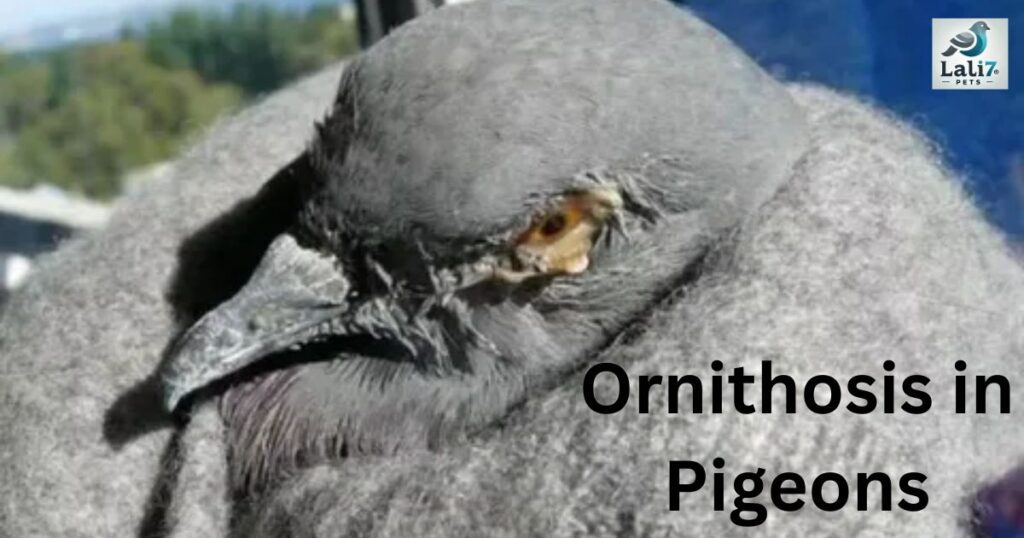
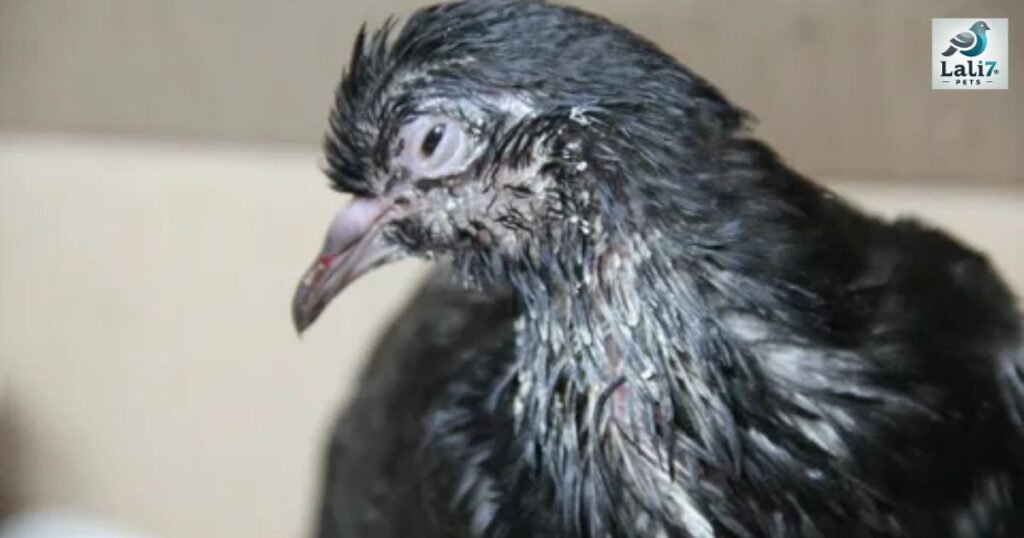
- The “One-Eyed Cold”: This is a hallmark sign. You will see unilateral conjunctivitis (one eye inflamed), swollen eyelids, and wetness around the eye.
- Nasal Discharge: Dirty wattles or discharge from the nose.
- Scratching: Birds frequently rub their heads on their wings or scratching their eyes.
- Respiratory Distress: In severe cases, you may hear a rattling sound or see the bird breathing with an open beak after flying.
Other Clinical Signs
- “Thick Head”: The feathers around the ears stand up, giving the head a swollen appearance.
- Reproductive Issues: Infertility, low hatch rates, or weak squeakers.
- Neurological Signs: In rare, severe cases, the bacteria affect the brain, causing tremors or a twisted neck.
The Ornithosis Complex: Differentiating from Similar Diseases
Veterinarians often refer to the “Ornithosis Complex.” This is because Chlamydia rarely works alone. It often partners with other pathogens, making pigeon disease identification a nightmare.
Key Differentiators
- Mycoplasmosis vs Ornithosis: Both cause respiratory issues. However, Mycoplasmosis often affects the upper respiratory tract more mildly, while Ornithosis can cause severe systemic illness (liver/spleen). They frequently co-infect birds.
- Trichomoniasis (Canker): Pigeon canker and ornithosis are a deadly duo. Canker weakens the throat lining, making it easier for Chlamydia to enter.
- Herpes-1 Virus: This virus often triggers the clinical symptoms of Ornithosis in carriers.
- Pigeon Pox: The wet form of Pox can look like the respiratory signs of Ornithosis.
The Importance of Veterinary Diagnosis
Because symptoms overlap, guessing is dangerous. Realistically, you cannot treat what you don’t know.
- Ornithosis diagnostic tests include PCR assays (looking for DNA) and serological testing (looking for antibodies).
- Necropsy: If a bird dies, a vet can look for an enlarged spleen or liver, which are strong indicators of Chlamydiosis.
Treatment Strategies for Ornithosis in Pigeons
If your flock is infected, you must act decisively. Half-measures will only create antibiotic-resistant bacteria and chronic carriers.
The Cornerstone: Antibiotic Therapy
The most effective avian chlamydia treatment involves tetracyclines. Specifically, the Doxycycline treatment pigeons receive is the gold standard.
Why Doxycycline?
Unlike older drugs, Doxycycline penetrates tissues effectively, reaching the bacteria hiding inside the cells.
- Recommended Products: Products like Doxybiotic-Plus for pigeons are formulated specifically for this purpose.
- Duration is Key: This is where most fanciers fail. You must treat for 30 to 45 days.
- Why so long? The bacteria have a lifecycle. Antibiotics only kill them during a specific phase of replication. Short treatments (5-7 days) kill the active bacteria but leave the dormant ones alive, leading to a relapse weeks later.
Important Note: Do not use Penicillin derivatives (Amoxicillin, etc.) for Ornithosis; they are ineffective against Chlamydia.
Dietary Restrictions During Treatment
When using Doxycycline or other tetracyclines:
- Remove Grit and Minerals: Calcium binds to the antibiotic, rendering it useless. Remove all grit, oyster shell, and mineral blocks during treatment.
- Limit Sunlight: Some medications make birds sensitive to sunlight.
Combination Therapies
For severe Ornithosis complex cases, vets may recommend combinations:
- Doxycycline + Tylosin: Targets both Chlamydia and Mycoplasma.
- Doxycycline + Spiramycin: Excellent for respiratory infections involving multiple bacteria.
- Broomhexine: Often added to clear mucus from the airways, allowing the antibiotic to reach the lung tissue better.
Supportive Care Measures
Drugs are hard on the bird’s system. You must support their recovery:
- Probiotics: Antibiotics kill good gut bacteria. Always follow up treatment with a high-quality probiotic to restore intestinal flora.
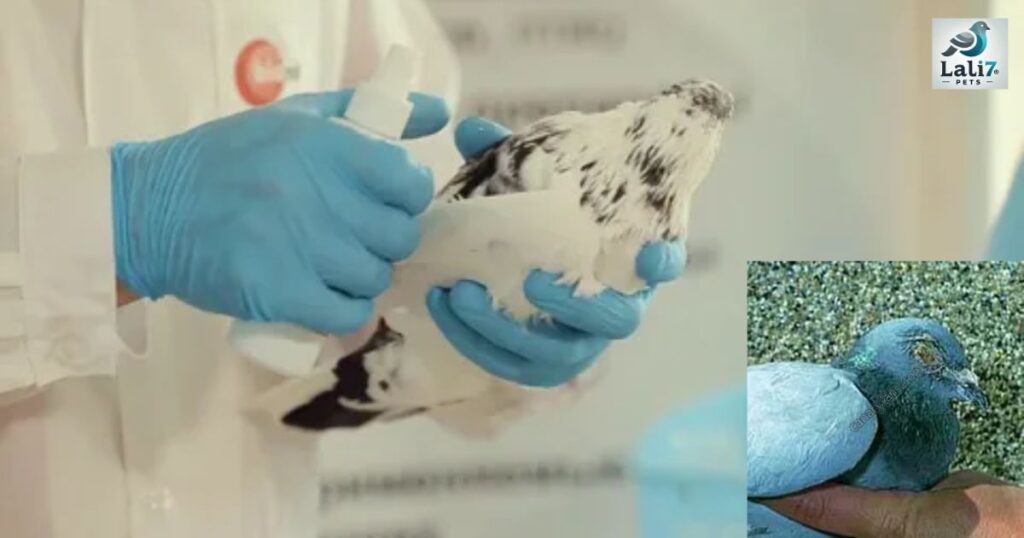
- Eye Care: For a pigeon eye infection, use soothing eye drops or ointments prescribed by a vet to treat conjunctivitis.
For specific medication protocols, consult trusted veterinary sources like medpet.co.za.
Advanced Prevention and Biosecurity Measures
Treating the disease is expensive and damaging to racing pigeon health. Prevention is far better.
1. Proactive Loft Management
Your loft environment dictates the health of your birds.
- Ventilation: Good airflow removes infectious dust. You should smell fresh air, not ammonia, when you enter the loft.
- Hygiene: Scrape the loft twice daily. Regular disinfection is non-negotiable. Use a Total Disinfection Solution capable of killing bacteria and viruses.
- Humidity: Damp lofts are breeding grounds for infectious diseases that pigeons suffer from. Keep the loft dry.
2. Strategic Treatment for Racing Pigeons
Many champions use “blind treatment” strategies, though veterinary guidance is preferred.
- Pre-Season: A 20-30 day course of Doxycycline, 8 weeks before racing begins, ensures the team starts clean.
- In-Season: “Maintenance” treatments (e.g., 2-3 days early in the week) are common but risky for resistance. It is better to treat only when performance drops or a diagnosis confirms infection.
3. Enhancing Pigeon Immunity
A strong immune system is the best defense.
- Reduce Stress: Avoid overcrowding.
- Nutrition: Provide high-quality feed and immune boosters.
- Control Co-infections: Regularly test and treat for worms, Coccidiosis, and Canker so the bird’s immune system can focus on fighting Chlamydia.
4. Quarantine Protocols
Never introduce a new bird directly into your loft. Quarantine all new acquisitions for at least 30 days and consider a preventative treatment course during this time.
The Zoonotic Risk: Ornithosis in Humans
We cannot ignore the human element. Ornithosis transmission to humans (Psittacosis) is a real danger.
How Humans Catch It
You inhale the dust from dried droppings, feather dust, or respiratory secretions when cleaning the loft. Direct contact with a sick bird (beak-to-mouth) is also a risk.
Human Psittacosis Symptoms
In humans, the disease often presents as a “summer flu.”
- Symptoms: Fever, chills, severe headache, muscle aches, and a dry cough.
- Severity: While often mild, it can lead to severe pneumonia, and in rare cases, inflammation of the heart or brain.
Protective Measures
If you suspect an outbreak:
- Wear a Mask: Use a P2 or N95 mask when cleaning the loft to filter out dust.
- Wet Cleaning: Dampen droppings before scraping to prevent dust from becoming airborne.
- Gloves: Wear gloves when handling sick birds.
If you develop flu-like symptoms after handling sick pigeons, tell your doctor immediately that you keep birds. Standard antibiotics often won’t work; you need specific treatment (usually Doxycycline for humans, too). See nih.gov for more medical information.
Conclusion: Maintaining a Healthy Loft and Preventing Outbreaks
Ornithosis is a formidable opponent, but it is beatable. By understanding the symptoms—like the one-eyed cold and green diarrhea—and implementing a rigorous Doxycycline treatment plan, you can save your flock.
However, the secret to long-term success isn’t in the medicine cabinet; it’s in the scraper and the ventilation system. Loft hygiene for pigeons is your first line of defense.
Key Takeaways:
- Diagnose accurately: Don’t guess; use a vet.
- Treat thoroughly: 30+ days of medication is mandatory to clear the carrier state.
- Prevent actively: Good ventilation, quarantine, and daily cleaning are essential.
- Protect yourself: Wear a mask during outbreaks.
Don’t let Ornithosis pigeon disease, steal your trophies or your health. Take control of your loft biosecurity today, and watch your racing performance soar.
Frequently Asked Questions (FAQs)
Q: What is ornithosis in pigeons, and what causes it?
A: Ornithosis (also called Avian Chlamydiosis) is an infectious disease caused by the bacterium Chlamydophila psittaci. It is an intracellular parasite that attacks the respiratory, digestive, and reproductive systems of the pigeon.
Q: What are the main symptoms of ornithosis in racing pigeons?
A: Common symptoms include the “one-eyed cold” (swollen, watery eye), rattling breathing, dirty nasal wattles, green diarrhea, weight loss, and a general drop in racing performance.
Q: How is ornithosis transmitted among pigeons and in a loft environment?
A: It spreads primarily through the inhalation of dust from dried droppings or respiratory secretions. It can also spread via crop milk from parents to young (vertical transmission) and through contaminated water.
Q: Can ornithosis spread from pigeons to humans, and what are the human symptoms?
A: Yes, it is zoonotic. In humans, it is called Psittacosis. Symptoms are flu-like: fever, chills, severe headache, muscle aches, and a dry cough. It can lead to pneumonia if untreated.
Q: What is the most effective treatment for ornithosis in pigeons, including medication and duration?
A: The most effective treatment is Doxycycline. It must be administered for 30 to 45 days to eradicate the bacteria completely and prevent the bird from becoming a carrier.
Q: How can pigeon fanciers prevent ornithosis outbreaks in their lofts?
A: Prevention relies on excellent ventilation to remove dust, avoiding overcrowding, strict quarantine of new birds, and regular cleaning/disinfection. Reducing stress levels in the flock is also vital.
Q: What is the “ornithosis complex” and what other diseases are often confused with it?
A: The “complex” refers to the fact that Ornithosis often occurs alongside other diseases like Mycoplasmosis, Trichomoniasis (Canker), and E. coli. These diseases share symptoms, making diagnosis difficult without laboratory tests.
Q: Do pigeons remain carriers of Chlamydia psittaci after treatment?
A: If the treatment is too short (less than 30 days), yes, they can remain carriers. They may look healthy, but will shed bacteria in their droppings, infecting others. This is why long-term treatment is critical.
Q: What hygiene practices are crucial to control ornithosis spread?
A: Regular scraping of the loft, using damp cleaning methods to suppress dust, and using a broad-spectrum disinfectant are crucial. Ensuring good airflow to keep the loft dry is also essential.
Q: How does ornithosis affect the performance and health of racing pigeons?
A: It drastically reduces performance. Birds will tire easily, recover slowly, and often get lost. Even sub-clinical (mild) infections will prevent a pigeon from winning prizes due to respiratory restriction and pain.