
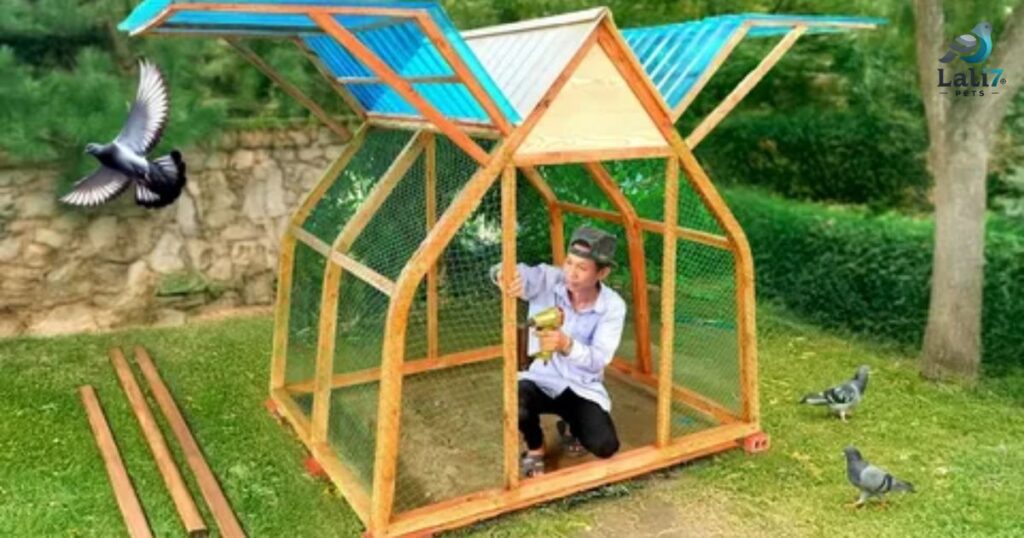
If you’ve ever admired the beauty of pigeons, then building a proper pigeon aviary is one of the best gifts you can give them. Unlike small cages, an aviary provides your birds with enough space to fly, socialize, and thrive, while keeping them safe from predators and harsh weather.
In this guide, we’ll explore everything about pigeon aviaries, from design ideas and size recommendations to buying options like pigeon aviary panels and where to find a pigeon aviary for sale near you.
Pigeon Aviary Design
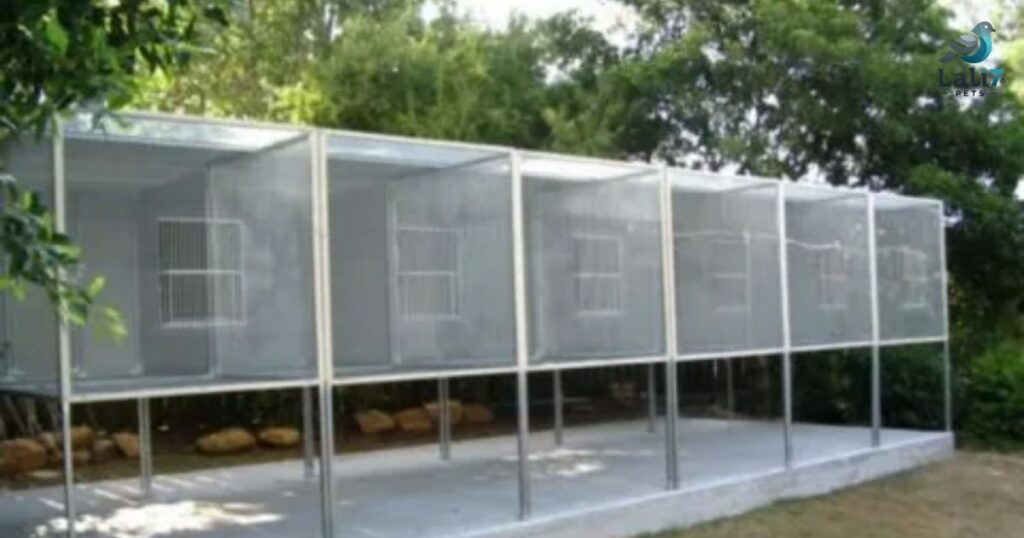
The first step in creating a comfortable home for your birds is planning the pigeon aviary design.
A good design should balance:
- Safety – Use galvanized wire mesh to keep predators out.
- Space – Ensure birds can fly short distances.
- Ventilation – Prevents respiratory problems.
- Comfort – Include perches, nesting boxes, and shaded areas.
📌 Anecdote: One pigeon fancier designed his aviary with a double-door entry to prevent accidental escapes. Small design choices like this make a big difference in bird safety.
Pigeon Aviary Size
Getting the pigeon aviary size right is essential. Overcrowding causes stress, while too much space for too few birds may make them feel insecure.
General guidelines:
- 2 pigeons → Minimum 6 ft x 6 ft x 6 ft
- 4–6 pigeons → Around 8 ft x 8 ft x 6 ft
- 10+ pigeons → At least 10 ft x 10 ft x 8 ft
See loft and aviary size recommendations.
📖 Anecdote: A beginner once built a small aviary for six pigeons. Within weeks, fights broke out due to overcrowding. Once he expanded to an 8×8 aviary, the pigeons calmed down and cooed happily again.
Outdoor Pigeon Aviary
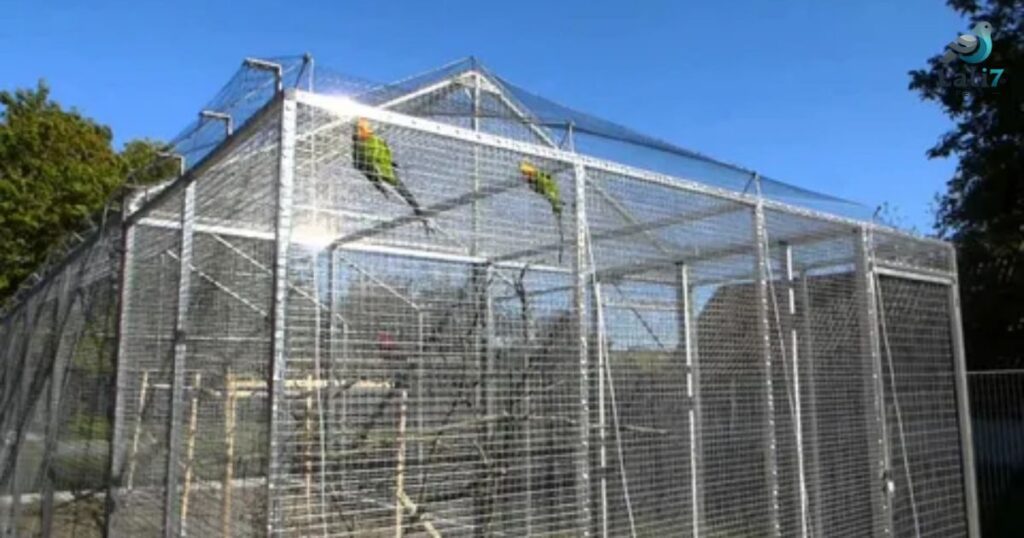
Most enthusiasts prefer an outdoor pigeon aviary because pigeons love natural light, fresh air, and space to stretch their wings.
When planning outdoors:
- Place the aviary where birds get morning sun and afternoon shade.
- Avoid locations close to trees and fences where cats can climb.
- Ensure the aviary has a solid roof section to protect from rain and snow.
Pigeon Aviary Panels
If you want an easier setup, consider pigeon aviary panels. These are pre-made frames of mesh and wood or metal that you can connect like building blocks.
Benefits of panels:
- Quick assembly – No need for complicated construction.
- Flexibility – Expand or reduce size easily.
- Durability – Panels are designed to withstand weather.
Many ready-made kits come with panels you can snap together, making them perfect for beginners.
🔗 Explore modular aviary panels.
Pigeon Aviary for Sale
Not everyone wants to build from scratch. If you prefer convenience, you can always look for a pigeon aviary for sale online or at local farm stores.
Things to check before buying:
- Material quality – Ensure the frame is sturdy and rust-resistant.
- Size options – Match the aviary to your flock size.
- Ease of cleaning – Concrete or mesh floors are easier to maintain.
- Portability – Some models can be relocated if needed.
Pigeon Aviary Near Me
If you’re searching “pigeon aviary near me,” your best bet is to check:
- Local farm supply stores
- Pet shops specializing in birds
- Online classifieds like Craigslist or Facebook Marketplace
- Specialized pigeon clubs (fanciers often sell aviaries at good prices)
📖 Anecdote: I once found a second-hand aviary through a local pigeon racing club. Not only was it cheaper, but it also came with valuable tips from the previous owner.
Step-by-Step Guide: How to Build Your Own Pigeon Aviary
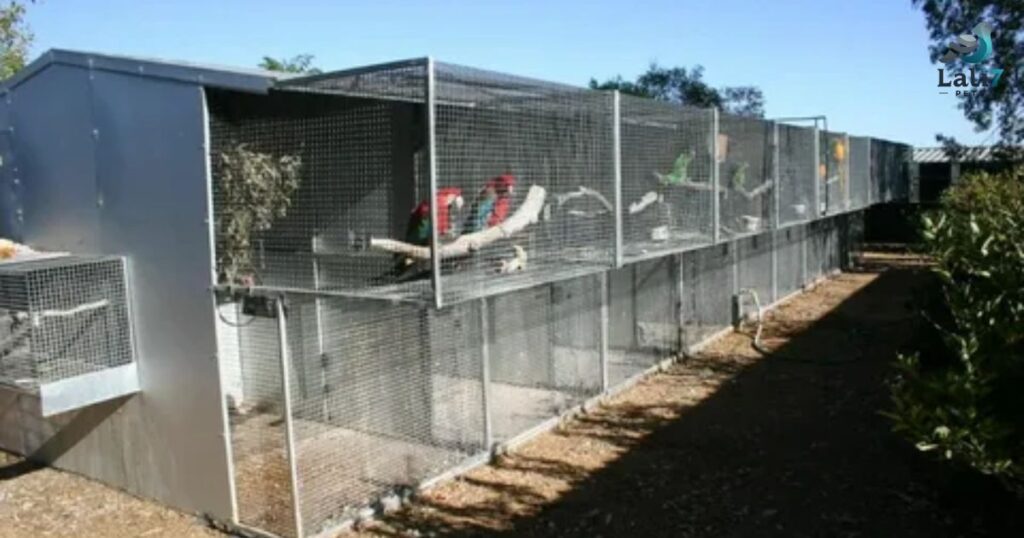
If you’re handy with tools, building your own aviary can be cost-effective and rewarding.
- Choose a location – Select a sunny, well-ventilated spot.
- Mark dimensions – Plan the aviary size based on your flock.
- Build the frame – Use treated wood or galvanized steel.
- Attach wire mesh – Use predator-proof aviary mesh on all sides, including the roof.
- Add flooring – Concrete, pavers, or safe wood chips.
- Install perches and nest boxes – Give pigeons comfort and resting spots.
- Include shelter – A small roofed area protects birds from wind and rain.
- Create a safety entrance – A two-door system prevents escapes.
👉 By following these steps, you’ll have a safe, functional pigeon aviary that keeps your birds happy and healthy.
FAQ about Pigeon Aviaries
Do pigeons need an aviary?
Yes, pigeons need an aviary to provide them with safe space, fresh air, sunlight, and freedom to move naturally.
Is it good to keep pigeons at home?
Yes, keeping pigeons at home is good if they are provided with proper housing, nutrition, and care to ensure their health and happiness.
Why is it called an aviary?
It is called an aviary because the term comes from the Latin word avis meaning “bird,” and it refers to a large enclosure designed specifically for birds.
What is a pigeon house called?
A pigeon house is commonly called a loft, where pigeons live, breed, and are cared for by their keepers.
What is the best housing for pigeons?
The best housing for pigeons is a well-ventilated, predator-proof aviary or loft that provides enough space, nesting boxes, and perches.
Final Thoughts
A pigeon aviary is more than just an enclosure, it’s a place where your birds can fly freely, interact naturally, and live in safety. Whether you decide to build your own, use pigeon aviary panels, or search for a pigeon aviary for sale near you, the investment is worth it.
If you’re serious about pigeon keeping, don’t settle for small cages. A proper aviary improves bird health, prevents stress, and gives you the joy of watching pigeons thrive in a safe, natural space.
Key takeaway: Always prioritize aviary design, size, and safety features when housing pigeons; your birds will thank you with health, beauty, and cheerful coos.