
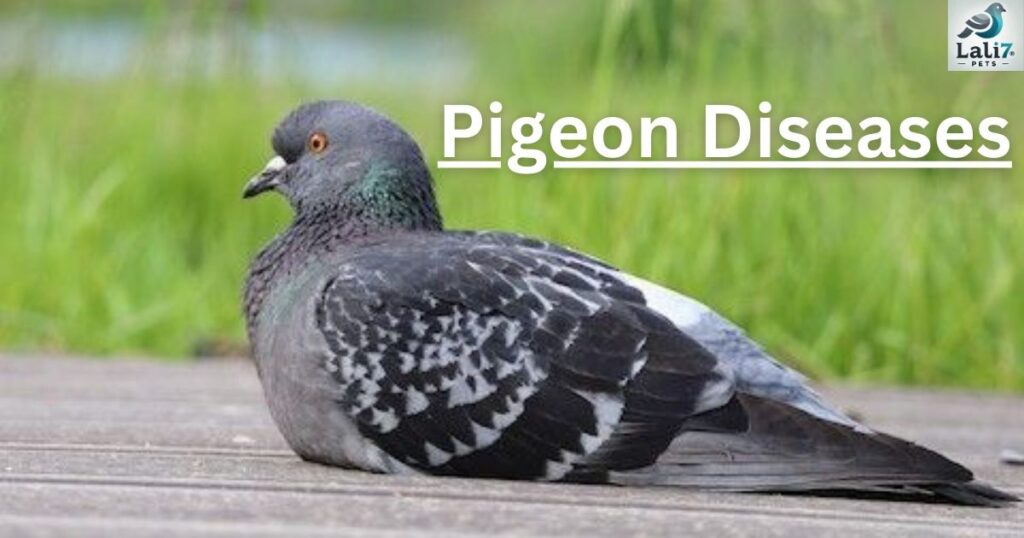
Pigeon fanciers, whether raising high-performance racing birds, cherished pets, or fancy breeds, understand that a healthy flock is the foundation of success. Nothing is more disheartening than walking into a loft to find a champion bird huddled in a corner, feathers ruffled, losing the vitality that makes these creatures so captivated. While pigeons are notoriously resilient, they remain susceptible to a complex array of pathogens that can devastate a loft in days if left unchecked.
Navigating the landscape of avian health requires more than just luck; it demands a keen eye for observation and a robust knowledge of pigeon health problems. From the silent incubation of viral threats to the sudden onset of bacterial infections, early detection is the difference between a minor setback and a catastrophic outbreak. This guide empowers enthusiasts with deep, actionable knowledge to identify sick pigeon signs, implement ironclad biosecurity, and administer effective treatments.
- Key Takeaways
- Categorizing Pigeon Diseases: A Deep Dive
- Recognizing the Red Flags: General Symptoms & Early Detection
- The Diagnostic Process: From Observation to Confirmation
- Proactive Prevention: Building a Fortress Against Disease
- Comprehensive Treatment Approaches for Sick Pigeons
- Zoonotic Diseases: Protecting Human Health
- Frequently Asked Questions
- Conclusion: Fostering a Healthy Pigeon Community
Key Takeaways
- Early Detection is Critical: Recognizing subtle behavioral changes like isolation or pigeon sickness symptoms often precedes physical signs by days.
- The Big Three Categories: Most issues stem from viral diseases (PMV, Adenovirus), bacterial infections (Salmonella, Ornithosis), or parasitic infestations (Canker, Worms).
- Zoonotic Awareness: Certain pigeon droppings diseases and respiratory infections can affect humans, necessitating strict hygiene protocols.
- Prevention Over Cure: A robust Pigeon disease prevention strategy involving vaccination and loft hygiene is far cheaper and more effective than treating a sick flock.
- Holistic Management: Nutrition, stress reduction, and avoiding overcrowding are essential for bolstering the pigeon immune system.
Categorizing Pigeon Diseases: A Deep Dive
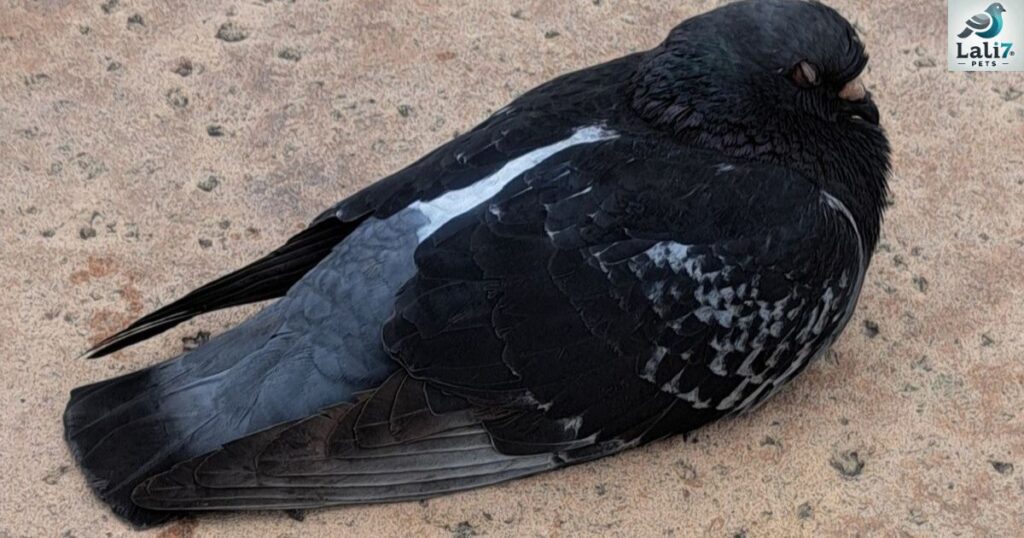
To effectively manage a loft, one must understand the invisible enemies lurking in the environment. We categorize these ailments by their biological nature, as this dictates the treatment path.
Viral Diseases: Understanding the Invisible Threat
Viruses are notoriously difficult to treat because antibiotics have no effect on them. Management relies heavily on vaccination and supportive care.
Paramyxovirus (PMV-1): The Devastator
Avian paramyxovirus represents one of the most feared threats in the pigeon world. It strikes with ruthless speed and creates long-term carriers.
- Detailed Symptoms: The hallmark pigeon neurological symptoms include a twisted neck (torticollis), tremors, and spiraling flight. However, early signs often manifest as excessive water consumption leading to pools of clear urine around droppings. Birds may struggle to peck at grain due to coordination loss.
- Transmission: It spreads via respiratory droplets and direct contact. A single infected feral pigeon or a stray entering the loft can decimate a racing team.
- Prevention & Management: There is no cure for the virus itself. Pigeon disease vaccine protocols (annual injections) are mandatory for racing leagues and crucial for pets. Infected birds must be isolated immediately to prevent spread, though supportive care can sometimes save them if they can eat.
Adenovirus (Adeno-Coli Syndrome): A Young Bird’s Nightmare
Often linked to Young pigeon disease syndrome (YPDS), this virus targets the liver and destroys the immune system of juvenile birds.
- Clinical Signs: Fanciers often see “vomiting and diarrhea” simultaneously. Young birds retain food in the crop, develop yellow-green fluid droppings, and lose weight rapidly.
- The E. coli Complication: The virus damages the gut wall, allowing E. coli in pigeons (bacteria) to enter the bloodstream, causing septicemia and rapid death.
- Treatment: While you cannot treat the virus, you must treat the secondary bacterial infection with broad-spectrum antibiotics and support the bird with electrolytes.
Circovirus (PiCV): Immune System Compromise
Think of Circovirus as an ailment that opens the door for everything else. It attacks the lymphoid tissue, essentially destroying the bird’s ability to fight off other infections. If a loft struggles with persistent pigeon respiratory issues or Canker that won’t clear up, Circovirus is often the underlying culprit.
Bacterial Diseases: The Hidden Invaders
Bacteria are living organisms that can be killed with antibiotics, but diagnosis is key to choosing the right medication.
Paratyphoid (Salmonellosis): A Systemic Threat
Pigeon salmonella is a bacterial scourge that affects multiple systems. It is resilient and can survive in loft dust for months.
- Diverse Symptoms: It can present as “wing boil” (swollen wing joints causing a dropped wing), leg paralysis, or acute intestinal distress with slimy, green, foul-smelling droppings. In breeding hens, it causes egg binding or the death of embryos in the shell.
- Prevention: Rigorous pigeon loft hygiene is the primary defense. Rodents are a major vector, so mouse-proofing the feed storage is non-negotiable. Vaccination with Sal-Bac is available but should be combined with hygiene.
- Treatment: Antibiotics like Enrofloxacin or Trimethoprim-Sulfa are effective, but treatments must be long (10-14 days) to eliminate the carrier state.
Ornithosis (Chlamydiosis): Respiratory & Zoonotic Concerns
Commonly known as “One-Eye Cold,” Ornithosis in pigeons is caused by Chlamydia psittaci.
- Symptoms: Look for a bird that scratches its head or eyes. The eye membranes become inflamed (conjunctivitis), the eyelids swell, and nasal discharge creates a dirty wattle.
- Zoonotic Risk: This is a major zoonotic pigeon disease. It can cause Psittacosis in humans, leading to severe pneumonia.
- Diagnosis: A vet consultation is highly recommended due to the human health risk. Doxycycline is the standard treatment.
Mycoplasmosis & E. coli
Mycoplasmosis causes chronic respiratory noise—a “rattle” in the throat or sneezing—significantly impacting racing pigeon diseases profiles by reducing stamina. E. coli infections are opportunistic, often striking when birds are stressed from racing or overcrowding, leading to “going light” (rapid weight loss).
Parasitic Diseases: Internal & External Threats
Parasites drain the bird’s vitality, stealing nutrients and damaging tissue.
Canker (Trichomoniasis): The Most Common Protozoan
Caused by the flagellate Trichomonas gallinae, Pigeon trichomoniasis is present in nearly all pigeons at low levels. Stress causes it to flare up.
- Characteristic Symptoms: The classic sign is yellow, cheesy deposits (cankers) in the throat or mouth. However, internal canker affects the liver and is invisible until the bird wastes away.
- Transmission: Parents pass it to squabs via crop milk, and adults spread it through shared water drinkers.
- Treatment: Canker in pigeons treatment involves drugs like Ronidazole or Carnidazole. Rotational preventive treatment during the racing season is common practice.
Coccidiosis: Gut Health Destroyer
Pigeon coccidiosis thrives in damp, warm lofts. The protozoa attack the intestinal lining.
- Symptoms: Birds look puffed up, lethargic, and produce watery, dark green (sometimes bloody) droppings.
- Prevention: Keeping the loft floor dry is the single best prevention method. Scrape perches daily and use a propane torch to sterilize damp spots.
Worms (Internal Parasites)
Pigeon internal worms (Roundworms, Hairworms, Tapeworms) rob the bird of nutrition.
- Signs: A bird eats voraciously but remains thin. Performance drops off a cliff. Severe infestations can cause intestinal blockage.
- Control: A regular deworming schedule (every 3-6 months) using Levamisole or Moxidectin keeps the load manageable.
External Parasites
Pigeon external parasites like lice, mites, and pigeon flies cause irritation, ruining feather quality and disrupting sleep. More dangerously, pigeon flies are the vector for Pigeon Malaria (Haemoproteus).
Fungal Diseases: Often Secondary Invaders
Pigeon fungal infections like Candida (Thrush) usually appear after a fancier has overused antibiotics. The “good” bacteria are killed, allowing yeast to bloom in the crop.
- Symptoms: Vomiting, a water-filled crop that doesn’t empty, and white spots in the throat.
- Treatment: Nystatin and stopping antibiotic use immediately.
Recognizing the Red Flags: General Symptoms & Early Detection
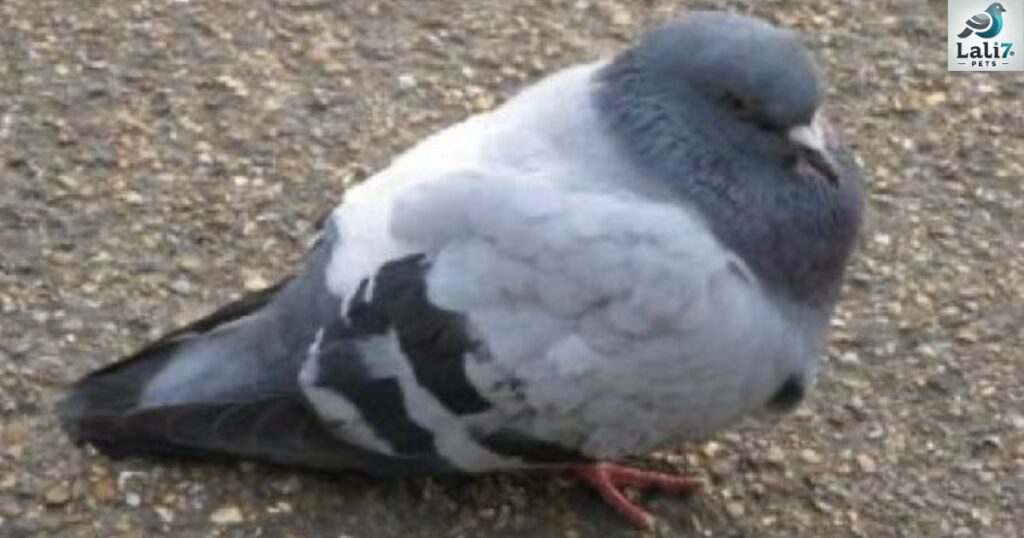
Identifying sick pigeon signs before a bird is critically ill requires observation during feeding and rest times.
- Behavioral Changes: A healthy pigeon is alert and tight-feathered. A sick bird isolates itself, stands with feathers fluffed (to conserve heat), and lacks the desire to fly.
- Dropping Analysis: Learn to read the floor. Small, tight, down-capped droppings are healthy. Watery, green, slimy, or bloody droppings indicate pigeon gastrointestinal issues.
- Physical Exam: Pick up the bird. If the keel bone feels sharp (muscle wasting), the bird is “going light.” Check the throat for mucus or yellow deposits.
- Respiratory Signs: Listen for clicking sounds when the bird breathes. Press the cere (nose wattle)—if mucus extrudes, there is an infection.
The Diagnostic Process: From Observation to Confirmation
While symptoms give clues, they often overlap. For instance, green droppings can mean Salmonella, Coccidiosis, or just starvation.
When to Consult an Avian Veterinarian
Attempting to treat based on guesses leads to antibiotic resistance. A pigeon veterinarian can perform specific diagnostics:
- Fecal Flotation: Identifies worm eggs and coccidia oocysts.
- Crop Smear: Under a microscope, moving flagellates confirm Canker.
- Culture & Sensitivity: This critical test identifies the exact bacteria (e.g., E. coli or Salmonella) and determines which antibiotic will kill it. This prevents the “shotgun approach” of guessing medications.
Proactive Prevention: Building a Fortress Against Disease
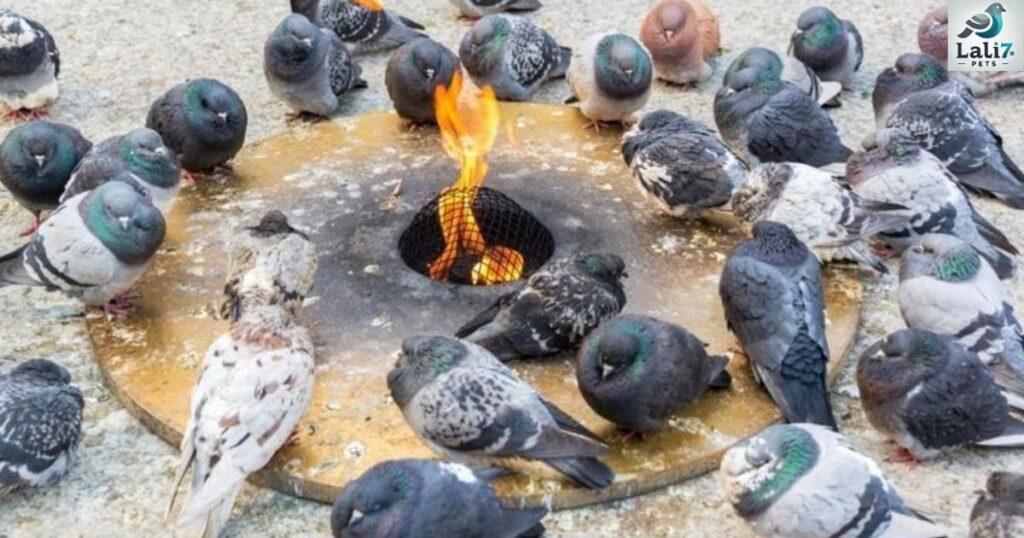
Treating illness is expensive and damages the bird’s future performance. Pigeon disease prevention is the gold standard.
Rigorous Biosecurity Measures
- Quarantine: Never introduce a new bird (bought or stray) directly into the loft. A 14-day quarantine allows you to observe for pigeon disease transmission.
- Loft Hygiene: Clean water vessels daily. Dampness is the enemy. Deep litter systems must be kept bone dry; otherwise, scrape daily.
Effective Vaccination Programs
Vaccination is the only safeguard against viral outbreaks.
- PMV: All birds should receive a PMV vaccine annually. Young birds are vaccinated at 3-4 weeks.
- Salmonella: Vaccines like Sal-Bac are available for lofts with a history of Paratyphoid issues.
Optimal Nutrition & Stress Management
A bird with a strong pigeon immune system can fight off low-level infections. High-quality feed, probiotics, and grit are essential. Reduce pigeon stress factors such as overcrowding, poor ventilation, and predator fright, as stress triggers the release of cortisol, suppressing immunity.
Comprehensive Treatment Approaches for Sick Pigeons
When illness strikes, rapid intervention is key.
- Isolation: Immediately remove the sick bird to a hospital cage. Provide heat (a heat lamp is vital), as sick birds cannot regulate body temperature.
- Targeted Medication:
- Antibiotics: Use only when a bacterial infection is suspected (e.g., Amoxicillin, Enrofloxacin). Follow the full course (usually 5-7 days) to prevent resistance.
- Anticanker: Metronidazole or Ronidazole for Trichomoniasis.
- Coccidiostats: Toltrazuril or Amprolium for Coccidiosis.
- Supportive Care: A sick bird often stops drinking. You may need to hand-feed electrolytes and easily digestible food.
- Avoid “Cocktails”: Mixing multiple Pigeon medication guide drugs without knowledge can be toxic and damage the liver.
Zoonotic Diseases: Protecting Human Health
While the risk is low for healthy individuals, pigeon disease transmission to humans is possible.
- Psittacosis (Ornithosis): Inhaling dust from dried droppings of infected birds can cause flu-like symptoms or pneumonia in humans.
- Fungal Infections: Histoplasmosis and Cryptococcosis are fungi that grow in accumulated, old droppings.
- Safety Precautions:
- Wear a dust mask (N95) when scraping the loft, especially if dust is visible.
- Mist droppings with water before scraping to prevent aerosolizing spores.
- Wash hands thoroughly after handling birds or cleaning.
- Immunocompromised individuals should avoid cleaning deep litter lofts.
Frequently Asked Questions
What are the most common diseases affecting pigeons?
The “Big Three” are Canker (Trichomoniasis), Coccidiosis, and Worms. Among viral threats, Paramyxovirus (PMV) is the most prevalent and dangerous. Respiratory infections (Ornithosis, Mycoplasmosis) are also widespread in racing lofts.
How can I tell if my pigeon is sick?
Look for sick pigeon signs such as fluffing up feathers (looking like a ball), loss of appetite, excessive thirst, isolation from the flock, watery or discolored droppings, vomiting, or reluctance to fly.
Are pigeon diseases contagious to humans?
Most are not, but a few zoonotic pigeon diseases exist. The most notable are Psittacosis (Ornithosis), which causes respiratory illness, and fungal infections like Histoplasmosis from breathing dust in accumulated droppings. Salmonella can also be transmitted via lack of hygiene.
What are the symptoms of Paramyxovirus (PMV) in pigeons?
PMV presents initially with increased water intake and watery droppings. As it progresses, pigeon neurological symptoms appear: twisted neck (star-gazing), tremors, paralysis of wings or legs, and walking in circles.
How is Canker (Trichomoniasis) spread among pigeons?
Pigeon trichomoniasis spreads through the sharing of drinking water where the protozoa can survive briefly. Parents also transmit it directly to squabs through crop milk feeding.
What steps can I take to prevent pigeon diseases in my loft?
Focus on pigeon disease prevention: maintain a dry, well-ventilated loft, scrape droppings daily, quarantine new birds for 14 days, vaccinate against PMV, and control rodents and dampness.
What are the recommended treatments for common pigeon illnesses?
Treatments vary by cause: Canker requires Ronidazole or Metronidazole; Coccidiosis needs Toltrazuril or Amprolium; Worms require Moxidectin or Levamisole; Bacterial infections need antibiotics like Enrofloxacin (Baytril) or Doxycycline. Always consult a pigeon veterinarian first.
Which diseases are associated with pigeon droppings?
Pigeon droppings diseases include Salmonella, E. coli, Coccidiosis, and fungal infections like Histoplasmosis and Cryptococcosis.
Why are young pigeons more susceptible to certain diseases?
Young birds have an immature pigeon immune system. They face high stress from weaning, molting, and training, which creates a “immunity gap” (between maternal immunity fading and their own developing), making them prone to Young Pigeon Disease Syndrome (YPDS).
What is “Young Pigeon Disease Syndrome” (YPDS)?
YPDS is a complex condition, often involving Circovirus and Adenovirus combined with secondary E. coli in pigeons or fungal infections. It causes rapid onset vomiting, diarrhea, retention of food in the crop, and high mortality in birds under one year old.
Conclusion: Fostering a Healthy Pigeon Community
Maintaining a disease-free loft is a continuous commitment that rewards the fancier with vigorous, happy birds. By shifting the focus from reactive medication to proactive Pigeon disease prevention, enthusiasts can ensure the longevity and performance of their flocks. Remember, a clean environment, proper nutrition, and strict biosecurity are the best medicines available.
Whether you are managing a team of racing pigeon diseases or caring for a single pet, knowledge is your most powerful tool. Stay observant, keep accurate records, and never underestimate the value of a trusted avian veterinarian.