
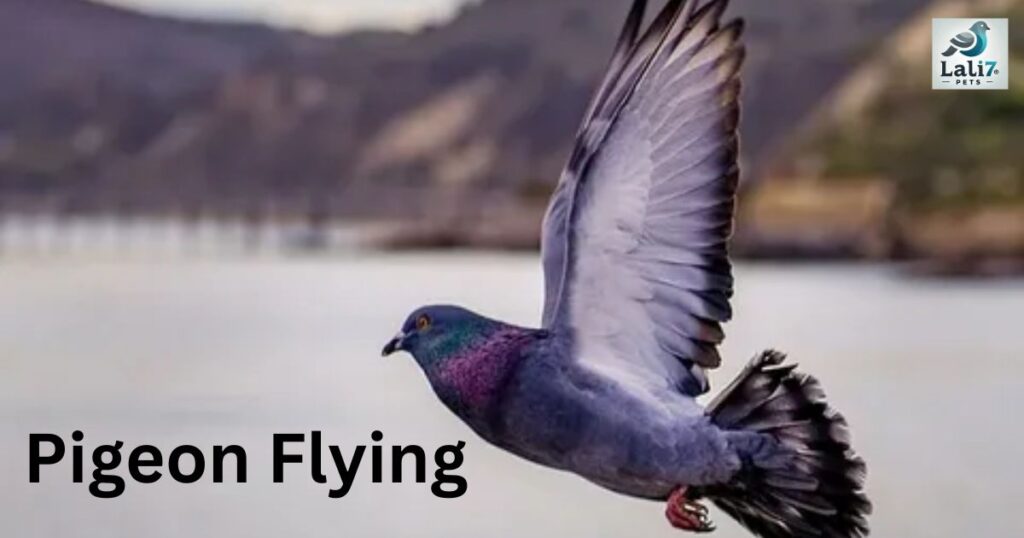
Imagine standing in your backyard, eyes scanned toward the horizon. The sky is empty, save for a few drifting clouds. Then, suddenly, a speck appears. It grows larger, wings tucked, diving at incredible speeds toward the wooden structure at the end of your garden. It’s your champion bird, returning from 400 miles away, right on schedule.
There is nothing quite like the rush of pigeon flying. Whether you are a historian fascinated by the rock dove carrying messages in WWI or a modern enthusiast seeking the thrill of pigeon racing, the bond between human and bird is ancient and profound.
However, success doesn’t happen by accident. It requires understanding the science of flight, mastering nutrition, and executing a precise pigeon training regimen. In this comprehensive guide, we will unlock the secrets of the skies and turn you into an expert fancier.
- The Science of Pigeon Flying and Navigation
- Top Pigeon Flying Breeds: Choosing Your Feathered Athlete
- Training Pigeons for Optimal Flight and Racing Success
- Nutrition and Health for High-Performance Flying
- Technology in Modern Pigeon Racing
- The Community: Joining the Flock
- FAQs: Pigeon Flying
- Conclusion: The Sky's the Limit
The Science of Pigeon Flying and Navigation
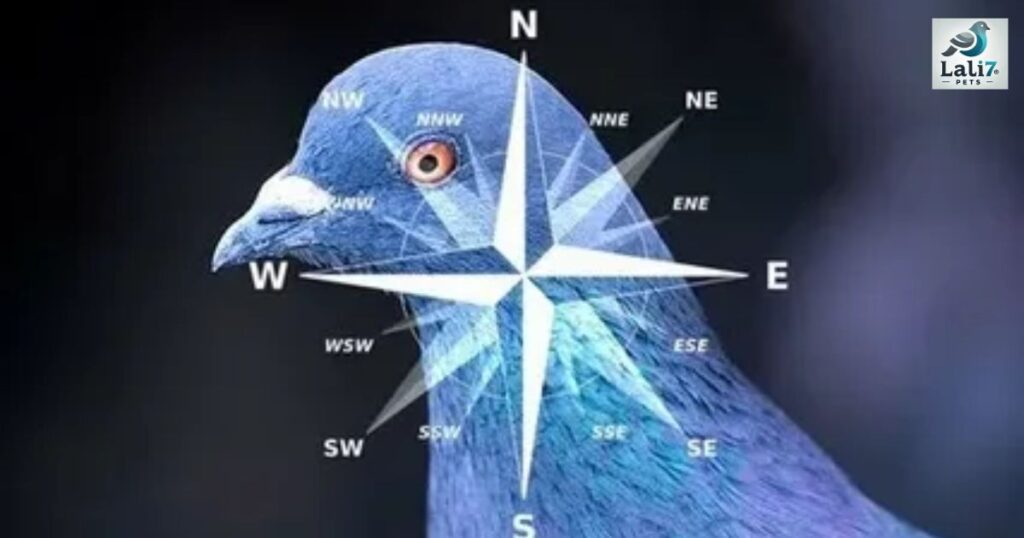
Before you can train a champion, you must understand the machine. Pigeon flying isn’t just about flapping wings; it is a complex biological marvel that scientists are still working to fully understand.
Understanding the Homing Instinct: A Biological Marvel
How does a pigeon released in France find its specific perch in England? Scientists call this the “Map and Compass” model. The bird uses the “Map” to figure out where it is relative to home and the “Compass” to fly in the right direction.
Key Navigational Cues:
- Magnetoreception: Pigeons have an internal GPS. Research suggests they have cells in their beaks and inner ears that are sensitive to the Earth’s magnetic field. This allows them to detect magnetic north and their latitude.
- Olfactory Mapping: Amazingly, pigeons can smell their way home. Theories on olfactory mapping suggest they learn an “odour map” of the winds around their loft, associating specific scents with directions.
- Sun Compass: Pigeons possess an incredibly accurate internal clock. They use the sun’s position combined with the time of day to navigate.
- Visual Landmarks: As they get closer to home, they rely on familiar roads, rivers, and buildings.
- Infrasound: Pigeons can hear low-frequency sounds (infrasound) that humans cannot. They may use the sound of ocean waves or wind over mountains as acoustic beacons.
Why Do Pigeons Fly in Circles?
New fanciers often ask, “Why are my birds just flying in loops?” This circular flight serves several vital purposes:
- Orientation: Upon release, the bird circles to read the magnetic field and the sun, effectively “calibrating” its internal compass.
- Predator Evasion: A flock that circles and moves together confuses predators like hawks.
- Thermals: Pigeons use rising columns of warm air, or thermals, to gain altitude without expending energy.
Top Pigeon Flying Breeds: Choosing Your Feathered Athlete
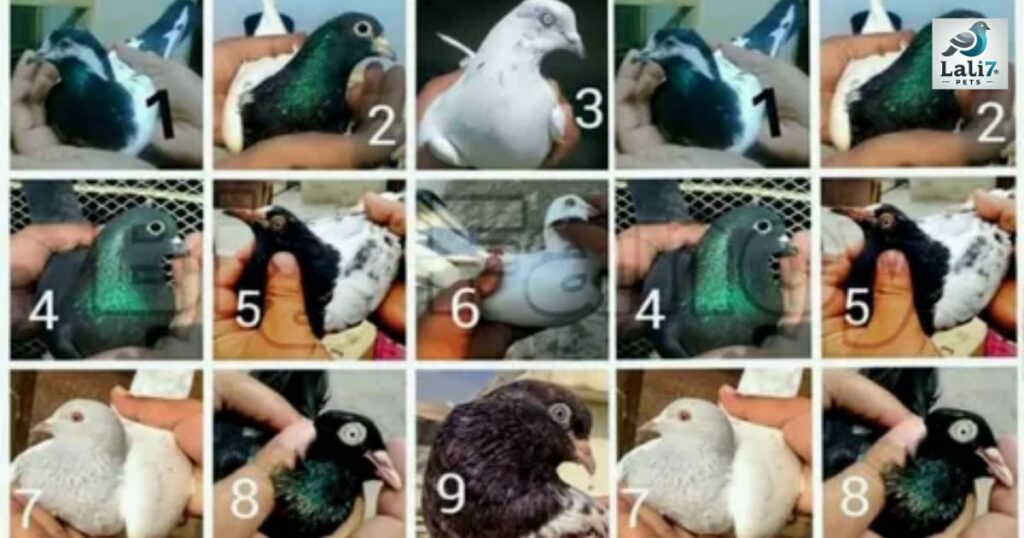
Not all pigeons are created equal. Depending on your goals—speed, altitude, or acrobatics—you need to choose the right breed.
Racing Homers: Speed and Distance
If you want to compete in pigeon racing, the Racing Homer is the undisputed king. Bred strictly for speed and homing ability, these birds are muscular, aerodynamic, and intelligent. Famous strains like the Janssen or Meulemans are legendary in the sport.
High-Flying Breeds: Touching the Clouds
For those who prefer watching birds soar for hours rather than race for speed, high-flyers are the answer.
- Pakistani Highflying Pigeons: These are incredibly tough birds, capable of flying for 12+ hours in extreme heat, often disappearing from sight into the clouds.
- Serbian Highflyers: Known for strong endurance flying, these birds fly high and long.
- Skycutter Pigeon: Famous for their straight, vertical flight and ability to reach great heights quickly.
- Iranian Highflying Tumblers: A mix of endurance and mild acrobatics, known for their distinct flying style.
- Tippler Pigeons: The marathon runners of the sky. Competition Tipplers have been recorded flying for over 20 hours non-stop!
Performance Pigeons: Acrobatics
- Birmingham Rollers: These birds perform rapid, backward somersaults during flight. A good “kit” of rollers spinning together is a spectacular sight.
- Turkish Tumblers: Known for unique tumbling styles and sometimes slower flight patterns.
- Oriental Rollers: These offer exceptional rolling abilities and are highly prized for their aerial shows.
Training Pigeons for Optimal Flight and Racing Success
Pigeon training is an art form. It requires patience, consistency, and a gentle hand.
Establishing the Loft: The Foundation
Your pigeon loft is more than a cage; it is a sanctuary. If the loft isn’t comfortable, the bird won’t want to trap (enter) quickly upon return.
- Design: Ensure excellent ventilation to prevent respiratory issues.
- Traps: Install landing boards and traps (like bob wires or electronic pads) early so birds learn how to enter.
- Vermin Proofing: Ensure the loft is secure against rats and mice, which stress the birds.
Step-by-Step: The “Confidence Method” of Training
Step 1: Settling and Bonding Before a bird flies, it must know you. Spend time in the loft. Hand-feed them treats like peanuts (safflower). This builds trust. Young birds (squeakers) should be placed on the landing board to look around but not fly yet.
Step 2: Loft Flying Once settled, open the trap. Let them exit on their own. They will flap up to the roof and eventually take short flights, circling the loft. This builds flocking behavior and muscle.
Step 3: Basket Training Pigeons must be comfortable in a transport basket. Put them in the basket for a few hours, then release them right in front of the loft. Repeat until they are calm.
Step 4: Road Training (The Tossing) This is where the real work begins.
- Toss 1: Take them 1 mile away. Release.
- Toss 2: Move to 5 miles.
- Toss 3: Move to 10, then 20, then 40 miles.
- Tip: Try training against the wind occasionally to build muscle, but start with clear days.
Mastering Trapping
In a race, the clock doesn’t stop until the bird enters the loft. A bird that sits on the roof costs you the win. Train them to enter immediately by whistling or shaking a feed can. Only feed them after they enter. Hunger is the best teacher.
Nutrition and Health for High-Performance Flying
You wouldn’t put low-grade fuel in a Ferrari. The racing pigeon diet is critical for performance.
The 3 Pillars of Pigeon Nutrition
- Carbohydrates for Pigeons: The primary fuel for flight. Corn (Maize) and Wheat are staples. Use these for short to middle-distance races where quick energy is needed.
- Fats for Pigeons: Essential for endurance flying. For long-distance races, the bird burns fat reserves. Peanuts, sunflower seeds, and hemp are high-fat options.
- Protein for Pigeons: Peas and beans provide protein for muscle repair and growth, especially for young birds and after a hard race.
Feeding Strategies
- Short Races: Higher percentage of carbohydrates (lighter feed).
- Long Distance: “Load” them with fats in the final days before shipping.
- Supplements: Use pigeon supplements like probiotics to maintain gut health. Hydration for pigeons is vital; add electrolytes to the water upon return to speed up recovery.
Health and Injury Management
A content gap in many guides is how to handle injuries.
- Wing Strain: If a bird droops a wing, it needs total rest. Isolate the bird in a small cage to prevent flying for 2 weeks.
- Respiratory Issues: If a bird is panting heavily after a short flight or has a dirty wattle, check for respiratory infections. Clean air (ventilation) is the best prevention.
- Preventative Medicine: Consult resources like pigeonracingpigeon.com or rpra.org for vaccination schedules (Paramyxovirus is a must).
Technology in Modern Pigeon Racing
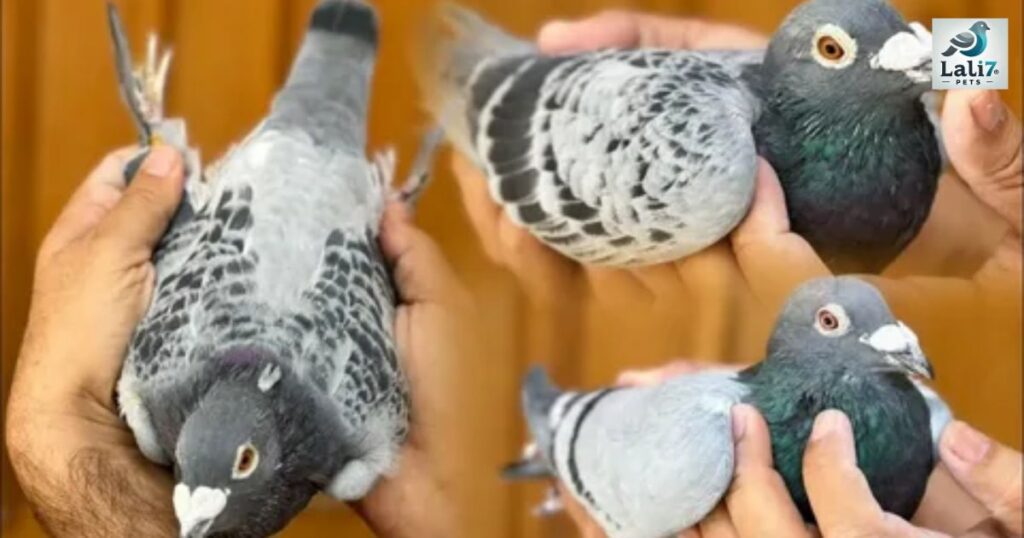
The sport has evolved from rubber rings and manual clocks.
- Electronic Timing Systems: Birds now wear RFID chip rings. When they cross the antenna pad at the loft entrance, their time is instantly recorded.
- GPS Tracking: Some fanciers use tiny GPS rings during training to analyze flight speed, altitude, and the exact route the pigeon took. This helps identify if a bird is “dog-legging” (flying off course) or having trouble with mountains.
The Community: Joining the Flock
Pigeon flying is social. Joining pigeon clubs connects you with experienced pigeon fanciers who can offer mentorship. Organizations like the Royal Pigeon Racing Association (rpra.org) or local clubs found via pigeon.biz are great starting points.
Young Bird vs. Old Bird Season
- Young Bird Season: Usually late summer/fall. Races are shorter. Focus is on education.
- Old Bird Season: Spring. Experienced birds race much longer distances (up to 500+ miles).
FAQs: Pigeon Flying
Q: How do homing pigeons navigate back to their loft?
A: They use a combination of the sun’s position (Sun Compass), the Earth’s magnetic field (Magnetoreception), and olfactory cues (smell) to orient themselves. As they get closer, they rely on visual landmarks.
Q: Why do pigeons fly in circles?
A: Pigeons fly in circles to orient themselves using magnetic fields, to stay together as a flock for safety against predators, and to catch rising thermals to gain altitude efficiently.
Q: What are the best pigeon breeds for high-flying or racing?
A: For racing speed, choose Racing Homers. For altitude and duration, choose Serbian Highflyers, Tipplers, or Pakistani Highflying pigeons. For acrobatics, choose Birmingham Rollers.
Q: How far can homing pigeons typically fly?
A: A well-trained racing pigeon can fly over 500 miles (800 km) in a single day. Some extreme marathon races cover even greater distances.
Q: What is the ideal diet for racing pigeons to optimize performance?
A: A mix of grains. Use carbohydrates (corn/wheat) for energy, fats (peanuts/hemp) for endurance, and protein (peas) for muscle repair. Adjust the ratio based on the distance of the race.
Q: How do you train a racing pigeon for competitions?
A: Start with loft acclimation, then basket training. Proceed to road training by releasing them from gradually increasing distances (1 mile, 5 miles, 10 miles, etc.) to build their homing confidence and physical fitness.
Conclusion: The Sky’s the Limit
Pigeon flying is a hobby that rewards dedication. It combines the thrill of competition with the quiet joy of animal husbandry. Whether you are aiming for a first-place trophy in a national combine or simply want to watch a kit of tumbler pigeons perform in the sunset, the key is consistency, care, and respect for the bird.
Start by building a proper loft, choose your breed wisely, and remember: every champion flyer started as a squeaker on a landing board, unsure of its wings. Now, it’s time for you to let them fly.