
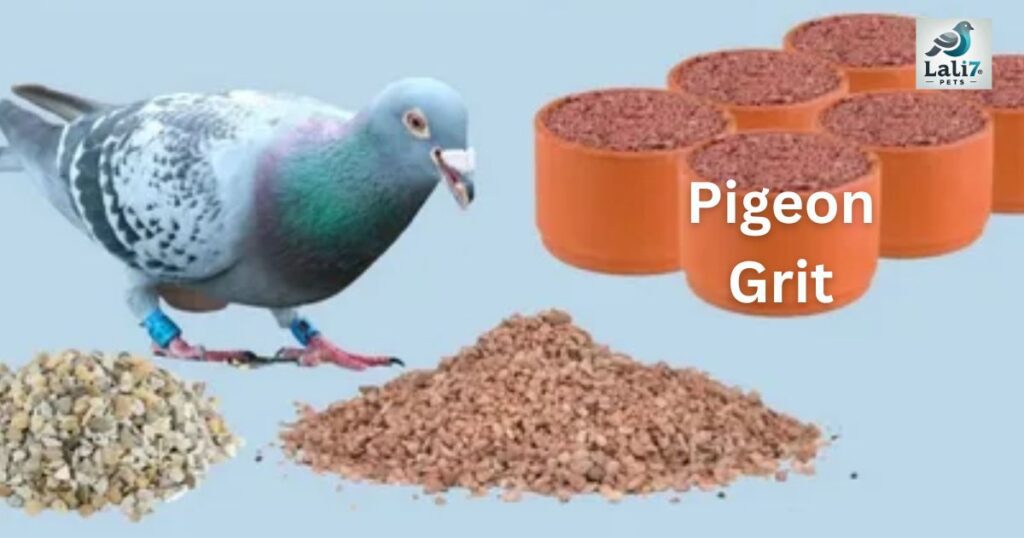
You just bought the most expensive bag of seed mix for your loft. You are doing everything right, yet your birds seem lethargic, their feathers look dull, or their droppings are loose. The missing piece of the puzzle is often the simplest one: pigeon grit.
Many new fanciers assume that seeds and pellets provide 100% of a pigeon’s diet. This is a dangerous misconception. In the wild, pigeons forage on the ground, picking up small stones, shells, and minerals. In a domestic coop, they rely entirely on you to replicate this. Without the right grit, your pigeons cannot digest their food properly or get the calcium they need for bone health.
This guide cuts through the confusion. We will explore the difference between soluble grit and insoluble grit, review top formulas like Brown’s Pigeon Grit, and explain exactly how to feed this essential mineral supplement.
The Great Debate: Soluble vs. Insoluble Pigeon Grit
If you visit forums or read pigeon guide, you will see arguments about what constitutes “real” grit. To keep your flock healthy, you must understand the two main categories.
1. Insoluble Grit (The Grinder)
Pigeons do not have teeth. They swallow seeds whole. These seeds end up in the gizzard, a muscular part of the stomach. To break these seeds down, the bird needs insoluble grit. This includes small, hard pebbles like granite grit or flint.
These stones do not dissolve. They stay in the gizzard and act like millstones, grinding hard grains into a paste. However, because domestic pigeons usually eat softer grain mixes or pellets, they have a lower requirement for heavy-duty insoluble stones compared to wild birds eating hard corn in the fields.
2. Soluble Grit (The Nutrient Source)
This is the “must-have” for every loft. Soluble grit dissolves in the pigeon’s digestive tract. It is typically made from oyster shell, crushed limestone, and other mineral sources.
When this grit dissolves, it releases calcium, minerals, and trace elements into the bloodstream. This is vital for:
- Eggshell integrity in laying hens.
- Bone health and muscle development in squabs (baby pigeons).
- Preventing egg-binding (a life-threatening condition where a hen cannot pass an egg).
The Verdict: While a small amount of insoluble stone helps digestion, soluble grit is non-negotiable. It is a feed supplement that bridges the nutritional gap in standard grain diets.
Analyzing the Best Grit Mixtures
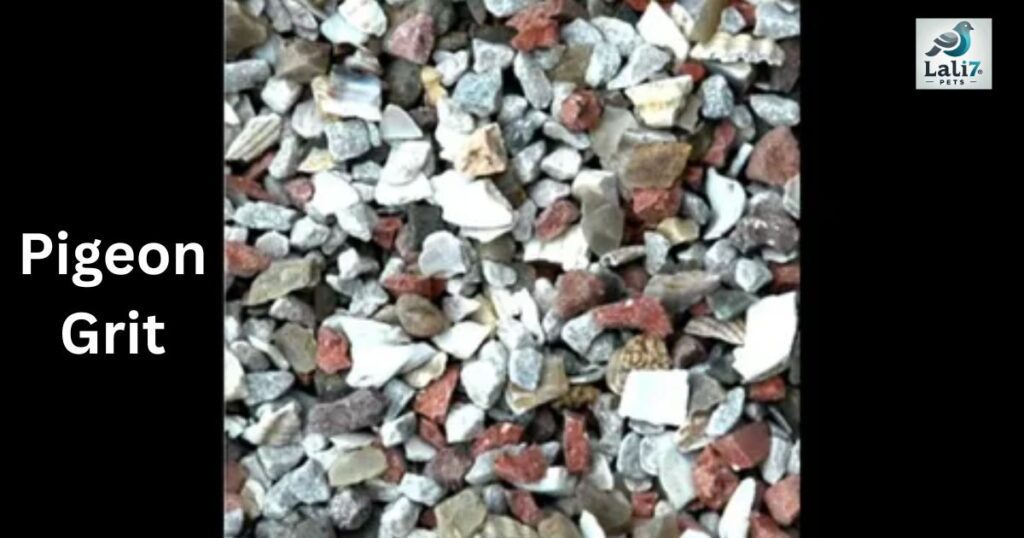
Not all grit bags are created equal. The top-ranking pages highlight specific blends that offer superior nutrition. Here is a breakdown of what makes them work.
Brown’s Pigeon Grit (Red)
One of the most popular options on the market is Brown’s Pigeon Grit (Red) 25 lb. This blend is formulated specifically to maintain pigeon health by combining digestion aids with high mineral content.
Why is it red? It contains Iron Oxide, which gives it that natural red color. Iron is essential for blood health, helping oxygen travel to muscles—a key factor for racing pigeons or birds under stress from traveling, breeding, or molting.
Key Ingredients in Brown’s:
- Limestone and Calcium Grit: The base for strong bones.
- Charcoal: Helps filter toxins.
- Anise Oil: Pigeons love the smell of anise; it encourages them to eat the grit and gives a pleasant aroma to the loft.
- Sterilized Calcium Chips: Ensures the calcium source is safe and free from bacteria.
This mixture is often available at suppliers like fmbrown or general farm stores like themillstores
Van der Endt-Louwerse Formulas
This Dutch manufacturer treats grit as a complete mineral system. They utilize a strict manufacturing process with a sieve size of 2-5 mm to ensure the pieces are the perfect size for a pigeon’s beak. They offer specific mixtures depending on what your birds need.
Here is a breakdown of their specific formulas:
| Grit Mixture | Key Ingredients | Primary Benefits / Notes |
|---|---|---|
| Pigeon grit 1 | Marine shell grit, oyster grit, redstone, stomach grit, charcoal | Promotes good digestion; charcoal helps absorb toxic substances in the intestines |
| Pigeon grit 3 | Marine shell grit, oyster grit, redstone, stomach grit, aniseed | Contains aniseed, giving a pleasant odor |
| Pigeon grit 5 | Marine shell grit, oyster grit, redstone, stomach grit, aniseed, extra redstone | Rich in minerals and trace elements; especially beneficial during the hen’s laying period |
Breakdown of Key Ingredients
When reading the label on a bag of Versele-Laga All-in-One or Jovati Grit Mixture, you will see a long list of components. It is important to know what each ingredient actually does for your bird.
The Calcium and Mineral Base
The primary goal of grit is providing calcium. Without it, hens lay soft-shelled eggs, and racing birds suffer from weak bones. Oyster shells and marine shells are the best natural sources for this. They dissolve slowly, providing a steady release of calcium into the system.
The Digestive Aids
- Redstone: This is clay fired at high temperatures. Pigeons go crazy for it. It is rich in minerals and helps absorb moisture in the droppings, leading to firmer stools.
- Stomach Grit (Small Pebbles): These are the “teeth” in the gizzard. They assist in grinding down grains to maximize nutrient absorption.
- Charcoal: Just like in humans, charcoal acts as a detoxifier. It absorbs bad bacteria and toxins in the gut, preventing digestive upset.
Essential Nutrients Explained
Below is a guide to the specific function of chemical nutrients found in high-quality grits.
| Ingredient | Function |
|---|---|
| Lysine & Methionine | Essential amino acids; not all animals can synthesize them on their own |
| Calcium | Crucial for bone health, especially for laying hens (supports eggshell integrity and helps prevent egg-binding) |
| Phosphorus | Supports healthy bodily functions at a microscopic but essential level |
| Salt & Sodium | Required for general health, particularly important for frequently used animals (e.g., breeding birds) |
| Vitamin A | Supports general body maintenance, including healthy growth and proper organ function |
The “All-in-One” Additives
Modern grit is often fortified with a vitamin stack to ensure a balanced diet. If you look at the labels of top brands, you will see additives like Vitamin D3 (for calcium absorption), Vitamin E (for fertility), and Vitamin B12.
Trace minerals are also abundant. Ingredients often include Zinc Oxide, Manganous Oxide, Copper Sulfate, and Cobalt Carbonate. These sound like chemicals, but they are naturally occurring minerals essential for feather quality and enzymatic functions.
How to Feed Pigeon Grit: A Step-by-Step Guide
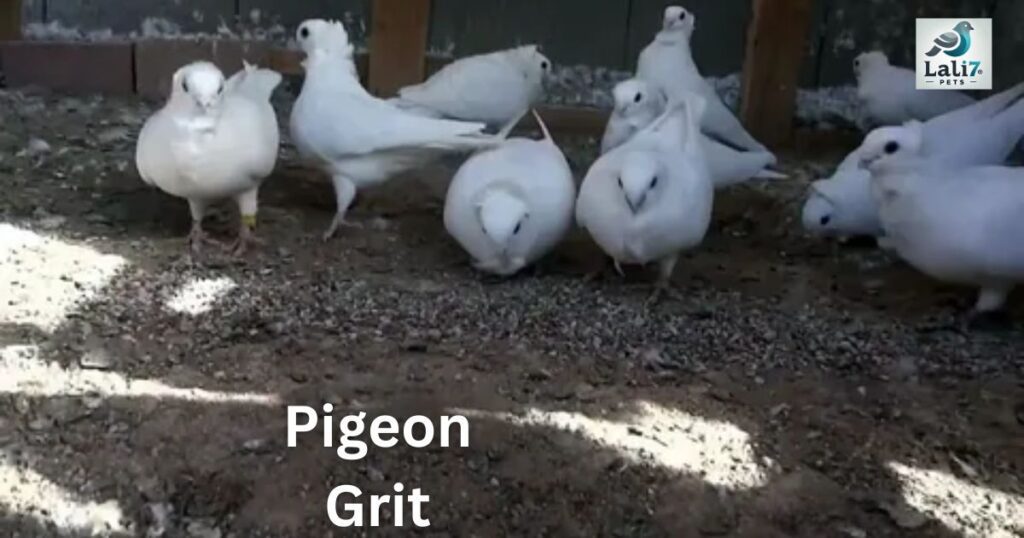
Feeding grit seems easy, but doing it wrong can lead to waste or contamination.
Step 1: Choose the Right Container Do not mix grit directly into their grain feed. Pigeons will often pick out the seeds and leave the grit at the bottom, where it gets soiled. Use a separate small clay pot or a dedicated grit hopper.
Step 2: Freshness is Key Pigeons are picky. If dust or droppings get into the grit bowl, they will stop eating it. You should refresh the grit every few days. If you notice the grit looks dusty or dirty, throw it out and replace it.
Step 3: Monitor Consumption Watch how much they eat. During breeding season, hens will consume massive amounts of grit to form eggshells. During molting, the entire flock will eat more to grow new feathers. Ensure the bowl never runs empty during these times.
Step 4: Keep it Dry Wet grit can harbor bacteria. Place the grit container in a dry corner of the loft, away from water drinkers and open windows where rain might blow in.
Grits to Avoid
Not all “grit” is safe for pigeons. Here is what you should leave on the shelf:
- Plain Granite Grit (in excess): While a little is okay, a bowl full of only granite offers zero nutritional value. If a bird eats too much of this trying to find calcium, they can suffer from impaction (a blockage in the digestive tract).
- Chicken Grit: Layer grit for chickens is often too large for pigeons to swallow comfortably. It poses a choking hazard. Always look for grit labeled specifically for pigeons or “small birds.”
- High-Salt Supplements: Some cheap mineral mixes use excessive salt as a filler. This can cause dehydration in pigeons, especially during hot summer races.
FAQ: Common Questions About Pigeon Grit
Do pigeons need grit?
Yes. Pigeons absolutely need grit. They need soluble grit for calcium and minerals, and insoluble grit to help their gizzard grind down food.
What is the difference between soluble and insoluble grit?
Insoluble grit (like flint or granite) acts as teeth to grind food. Soluble grit (like oyster shell) dissolves to provide nutrients and calcium.
Can pigeons overeat grit?
Generally, pigeons regulate their own intake. However, if they are mineral deficient and you only provide insoluble granite, they may overeat the stones trying to satisfy a craving, which is dangerous. Always provide a balanced mineral mix.
Why do pigeons eat redstone?
Pigeons love redstone because it is rich in minerals and helps settle their stomach. It also helps keep their droppings firm.
How much grit should I give my pigeons?
Grit should be available “ad libitum,” which means it should be available to them all the time. They will take what they need, when they need it.
Can chicken grit be used for pigeons?
It is not recommended. Chicken grit is usually too coarse and large. Pigeons require a smaller sieve size (2-5mm) to swallow safely.
Do pigeons need grit for digestion?
Yes. The stomach grit component aids mechanical digestion, while the minerals in soluble grit aid chemical digestion and metabolic function.
What minerals do pigeons need?
They require Calcium, Phosphorus, Sodium, Magnesium, Iron, and trace elements like Zinc and Manganese. A complete grit mix like Brown’s Pigeon Grit or Van der Endt covers these bases.