
You feel a distinct, crawling sensation on your skin, but when you turn on the light, you see nothing. Or perhaps you spot a tiny, moving speck on the windowsill. If you have birds nesting near your home, under solar panels, in eaves, or on a balcony, you may not be dealing with bed bugs or fleas. You are likely facing an infestation of pigeon mites.
These microscopic parasites, commonly known as bird mites, are highly mobile and aggressive. While their primary hosts are birds, they will readily infest human homes when their avian hosts abandon a nest or die. Understanding how to identify, treat, and prevent these pests is urgent, as their populations can explode in just a few days.
What Are Pigeon Mites?
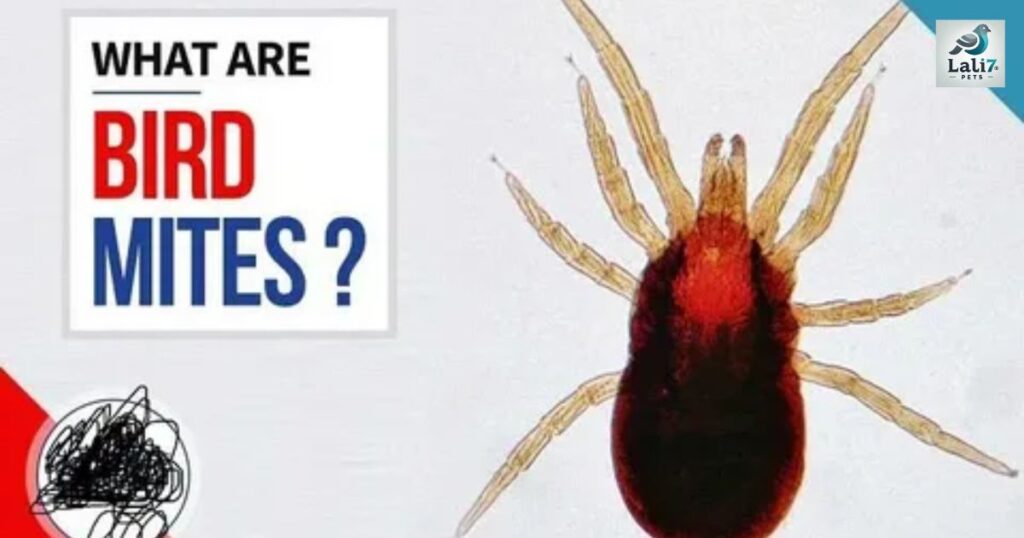
Pigeon mites are tiny ectoparasites that feed on the blood of birds. While “pigeon mite” is the common term used when infestations originate from feral pigeons (Columba livia), the actual organisms are usually one of a few specific species of bird mites.
The most common culprits found invading homes include:
- Dermanyssus gallinae (Red Mite/Chicken Mite): These are nocturnal feeders. They hide in the cracks and crevices of the bird’s environment during the day and swarm the host at night to feed.
- Ornithonyssus sylviarum (Northern Fowl Mite): These mites spend their entire life cycle on the bird’s body, making them harder to spot in the environment until the population overflows.
- Ornithonyssus bursa (Tropical Fowl Mite): Similar to the Northern Fowl Mite but more common in warmer regions.
Appearance and Morphology
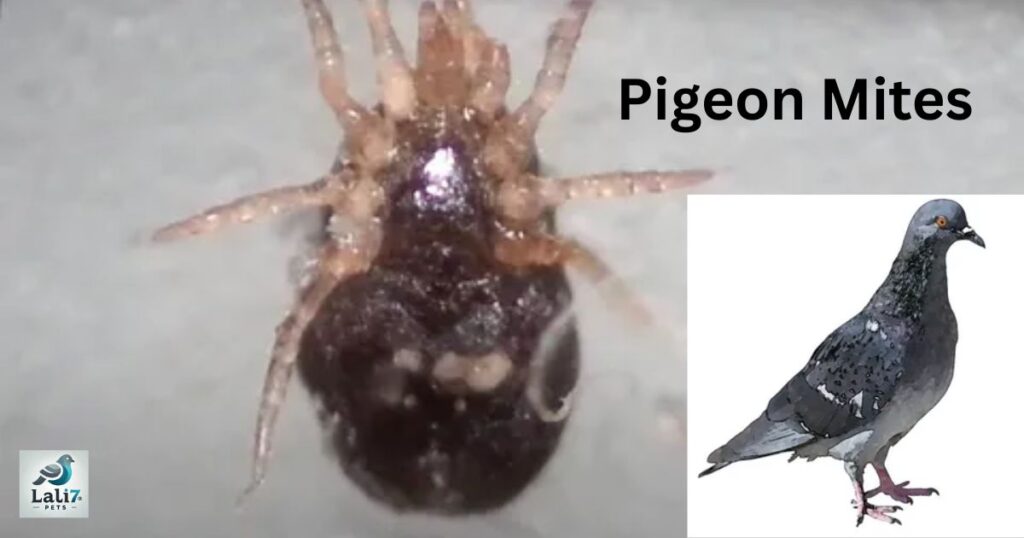
To the naked eye, a bird mite looks like a walking speck of pepper. They are incredibly small, typically less than 1 mm in length.
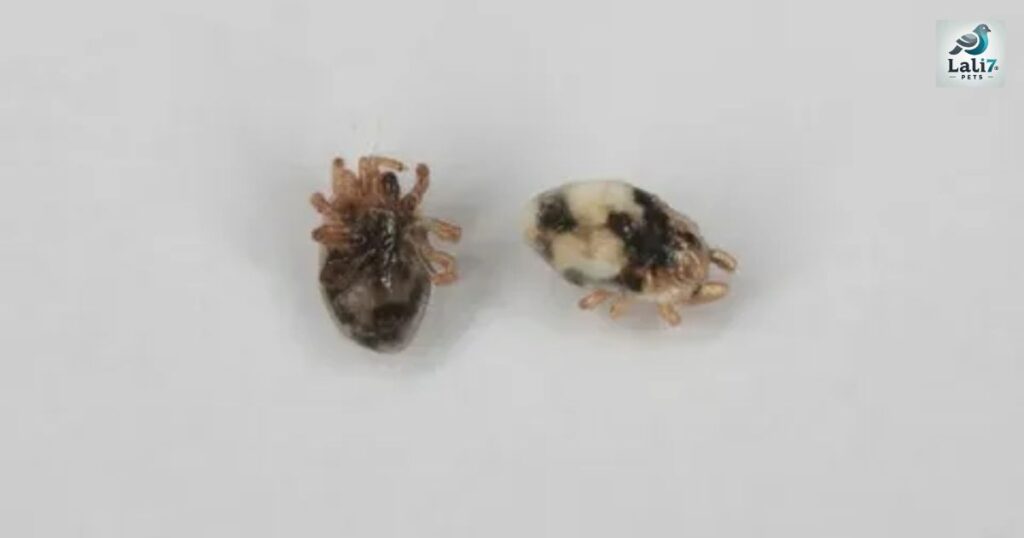
- Color: Before feeding, they are a translucent white or greyish color. After a blood meal, they turn a deep reddish-brown or black.
- Body: Adults have eight legs and an oval-shaped body.
- Movement: Unlike ticks which are slow, or fleas which jump, mites are very mobile and fast-moving crawlers.
Why Do They Enter Homes?
It is a common misconception that mites only live on dirty birds. In reality, they are attracted to warm and moist conditions and the carbon dioxide exhaled by living hosts.
The primary reason bird mites invade human living spaces is starvation. If the pigeons nesting on your roof migrate, or if a young bird falls from the nest and dies, the mite population loses its food source. Desperate for a meal, thousands of mites will migrate from the abandoned nest. They crawl down walls, through ventilation systems, and enter through cracks and crevices around windows and window AC units.
While they will bite humans, rats, dogs, and cats, they cannot reproduce or survive long-term on non-avian blood. Most bird mites will die within 3 weeks without a bird host, but that three-week period can be excruciating for the humans living in the house.
Symptoms of Bird Mite Bites on Humans
Diagnosing a mite infestation can be difficult because the symptoms often mimic other skin conditions. A condition known as papular urticaria is frequently associated with mite bites, characterized by itchy dermatitis that resists common treatments.
Physical Signs on Skin
- Pinprick Bites: Bites often appear as small, red papules or raised welts.
- Intense Itching: The pruritus (itching) is often severe and worsens at night when mites are most active.
- Clusters: Unlike bed bugs which often bite in lines, mite bites frequently appear in random clusters.
- Location: Bites are common on areas with thinner skin or where clothing fits tightly, such as the waistline, underarms, neck, and inner arms.
- Sensation: Many victims report a distinct crawling sensation on the skin, even when no bugs are visible.
Comparing Mite Characteristics
To help you determine if you are dealing with pigeon mites rather than other household pests, review the specific characteristics below.
| Feature | Description |
|---|---|
| Visual Size | Barely visible; less than 1mm (smaller than a pinhead). |
| Coloration | Translucent/White (unfed) to Red/Black (fed). |
| Active Times | Primarily nocturnal (nighttime) feeders, but active all day if hungry. |
| Lifecycle Speed | Extremely fast; Egg to Adult in roughly 7 days. |
| Lifespan | Adults live approx. 90 days (with a host). |
| Host Preference | Birds (Pigeons, Starlings, Poultry); humans are accidental hosts. |
| Mobility | Fast crawlers; do not fly or jump. |
Health Risks and Impact on Birds
Risks to Humans
The good news is that pigeon mites are not known to transmit diseases to humans. They are not vectors for the same pathogens that ticks or mosquitoes carry. However, the health impact is still significant:
- Secondary Infections: The intense itching leads to scratching, which can break the skin and cause secondary bacterial infections.
- Allergic Reactions: Saliva from the mites can trigger allergic dermatitis.
- Psychological Stress: The feeling of being infested by invisible bugs can cause anxiety and loss of sleep (delusory parasitosis is sometimes misdiagnosed when mites are actually present but undetected).
Risks to Birds
For the avian hosts, the situation is deadly. Pigeons and poultry suffer immensely from infestations.
- Anaemia: In severe infestations, the blood loss can cause fatal anaemia, especially in nestlings.
- Restlessness: Birds will preen excessively, scratch constantly, and appear agitated.
- Feather Loss: Look for patches of missing feathers and scabbing or crusting around the eyes, beak, and legs.
Step-by-Step Guide: How to Get Rid of Pigeon Mites
Eradicating bird mites requires a two-pronged approach: removing the source and treating the living space. Do not attempt to treat the room without removing the nest; the mites will simply keep coming.
Step 1: Locate and Remove the Source
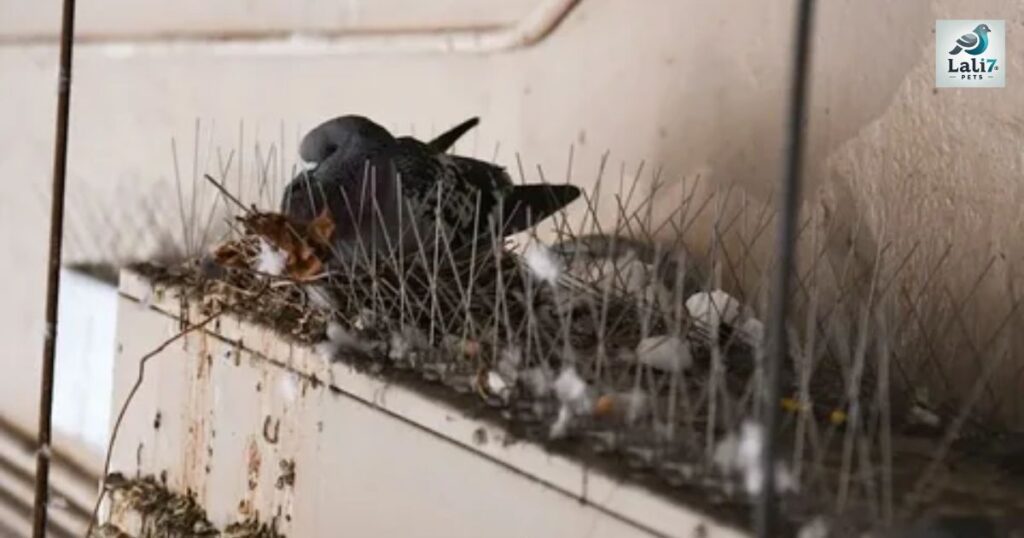
You must find where the birds are nesting. Common locations include:
- Inside roof lofts or attics.
- On window ledges or balconies.
- Blocked chimneys.
- Behind structural gaps or loose siding.
- Underneath solar panels.
Action: Wear protective clothing (long sleeves, gloves, and a mask). Remove the bird nests entirely. Place nest material in a sealed plastic bag and dispose of it in an outdoor trash bin immediately. If the nest is empty, do this right away. If there are live birds, you may need to contact professional pest control to handle them legally and humanely.
Step 2: Prevent Re-entry (Exclusion)
Once the nest is gone, you must block the mites from re-entering.
- Seal Cracks: Use silicone caulk to seal any cracks around windows, windowsills, and baseboards near the infestation site.
- Bird Proofing: Install spikes, netting, or wire mesh to prevent pigeons from roosting in that spot again.
Step 3: Treat the Home
Standard cleaning is rarely enough. You need to physically remove and chemically kill the remaining mites.
- Vacuuming: Thoroughly vacuum the room, focusing on window frames, floors, and curtains. Immediately empty the vacuum into a sealed bag outside.
- Steam Cleaning: Mites cannot survive high heat. Steam cleaning carpets, curtains, and upholstery is one of the most effective non-toxic ways to kill eggs and adults.
- Insecticides: Apply an approved insecticide labeled for mites to the window frames, eaves, and entry points. Look for products containing permethrin, deltamethrin, or ß-cyfluthrin. Always read the label to ensure safety for indoor use and pets.
Step 4: Professional Pest Control
If the infestation has spread throughout the house, DIY methods may fail. Professional exterminators have access to stronger acaricides and can identify hidden entry points in lofts and eaves.
Treatment for Birds (For Pigeon Keepers)
If you keep pigeons or chickens and detect feather loss or agitation, you must treat the flock to prevent the mites from spreading to you.
- Sprays: Use permethrin-based sprays like Avian Insect Liquidator or Johnson’s Anti-Mite spray. Treat the bird’s environment (coop/loft) as well as the bird.
- Spot-On Treatments: Products containing moxidectin or ivermectin (such as Scatt or MoxiVet Plus) are applied to the skin and enter the bloodstream, killing mites that feed on the bird.
- Dusting Powders: Diatomaceous earth or specific mite powders can be used in the nesting boxes.
Treating Mite Bites on Humans
While you work on eradicating the pests, you need relief from the itch.
- Scrub in the Shower: Frequent showering with a washcloth helps remove mites crawling on the skin.
- Anti-Itch Creams: Apply hydrocortisone cream or calamine lotion to the bites to reduce inflammation.
- Antihistamines: Oral antihistamines may help reduce the allergic reaction and itching sensation.
- Consult a Doctor: If the bites become infected (warm, oozing, or extremely painful), seek medical attention for antibiotics.
Frequently Asked Questions (FAQs)
How do you know if you have bird mites?
You likely have bird mites if you experience itching and crawling sensations, especially at night, and have recently had birds nesting near your windows or roof. You may also see tiny, moving specks that look like ground pepper on windowsills or walls near the nest site.
Can bird mites survive on humans long-term?
No. While they will bite humans to test for food, human blood does not provide the nutrients they need to reproduce. Most mites will die within 2 to 3 weeks if they cannot find an avian host (bird). However, they can survive for months in a dormant state if the environment is cool and moist.
Are bird mites the same as bed bugs?
No, but they are often confused. Bed bugs are larger (apple seed size), hide in mattresses, and leave dark fecal spots. Bird mites are much smaller (<1mm), translucent or red, and usually originate from the ceiling or windows rather than the bed itself.
Can bird mites live in my hair?
It is possible for mites to crawl into hair, but they do not infest humans like lice. They bite and then retreat. They do not attach eggs (nits) to human hair shafts.
What kills bird mites instantly?
Direct contact with steam is the most effective instant killer for eggs and adults. Insecticides containing permethrin or bifenthrin are also effective contact killers.
Do pigeon mites transmit diseases?
While pigeons can carry pathogens like Salmonella and Histoplasmosis, the pigeon mites themselves are not proven vectors for transmitting these diseases to humans through bites. The primary risk is skin infection from scratching.