
What Exactly is Pigeon Pox?
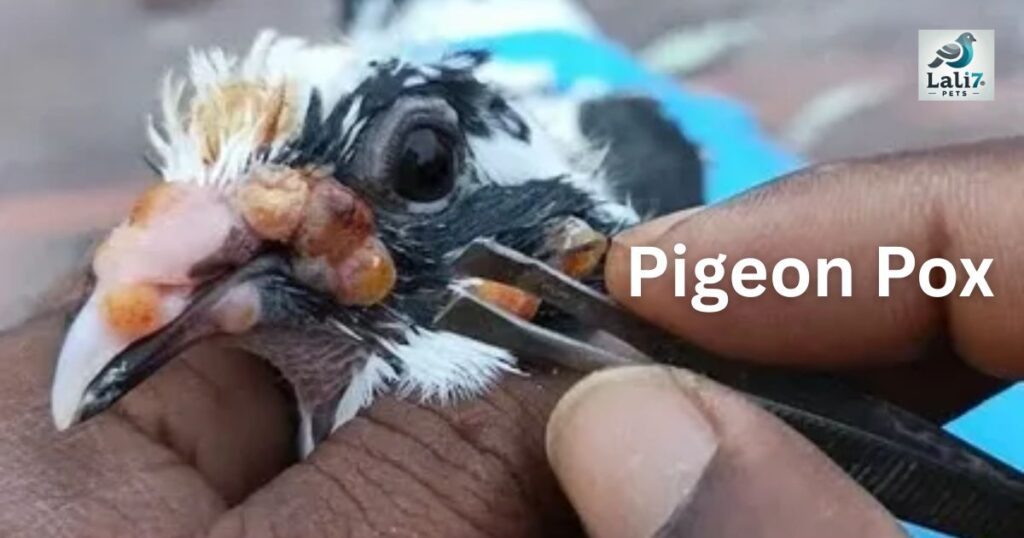
Pigeon pox is a viral disease caused by a specific type of avian pox virus. Think of it somewhat like chickenpox in humans, though the two are not related and cannot spread between species. It is a slow-spreading condition that causes skin lesions (warts) and, in more severe cases, issues inside the mouth and respiratory tract.
Bites from flies and mosquitoes mostly cause the baby pigeon’s pox.
The virus is incredibly resilient. In fact, the virus found in the dried scabs of infected birds can remain active and dangerous for months, sometimes even years, if the environment is right.
While pigeon pox generally has a low mortality rate in adult birds, it can be devastating for young squabs or birds with a compromised immune system. Therefore, understanding the enemy is the first step to defeating it.
Types of Pigeon Pox: Wet vs. Dry
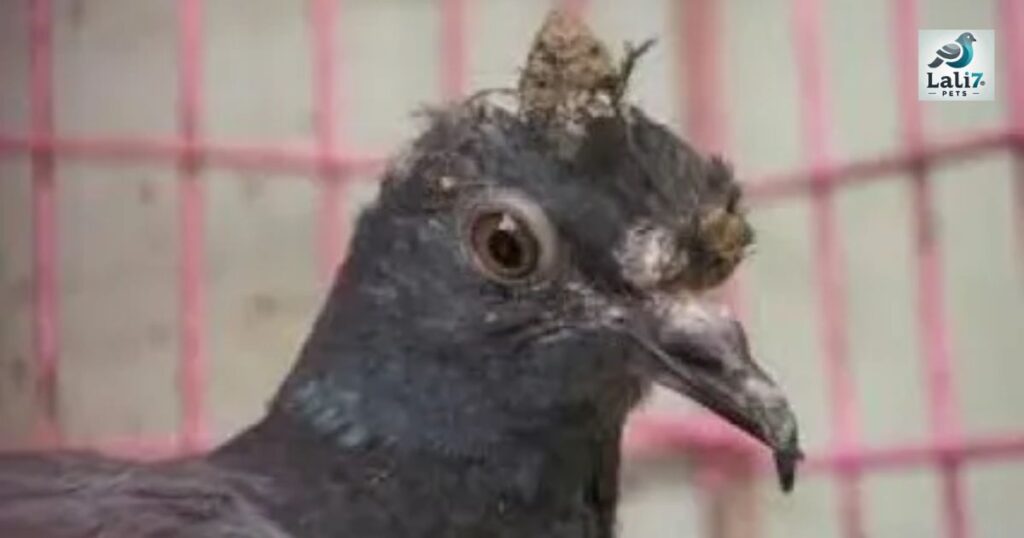
Not all infections look the same. This virus manifests in two distinct forms. Understanding the difference is vital because one is annoying, while the other can be deadly.
1. Dry Pox (Cutaneous Form)
This is the most common form and, thankfully, the least fatal.
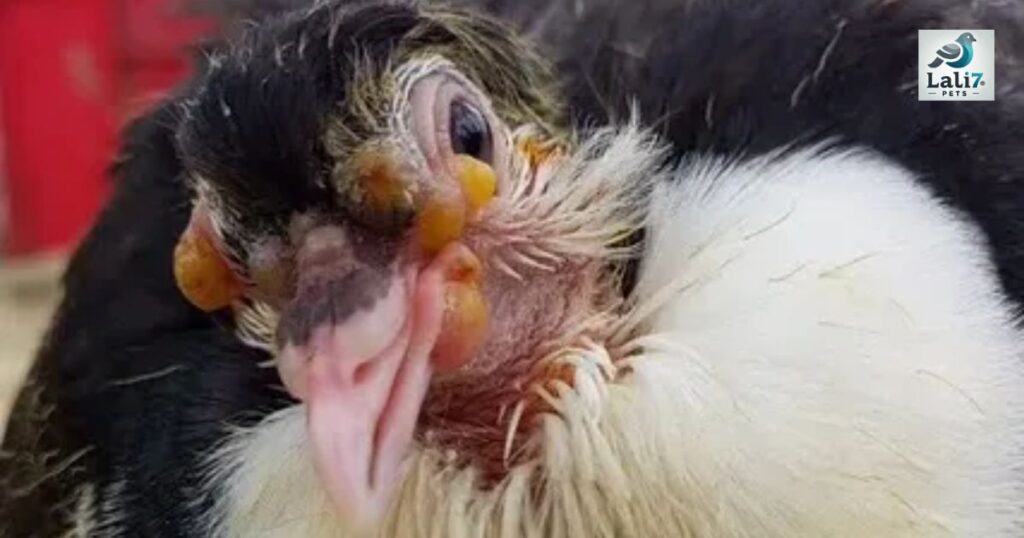
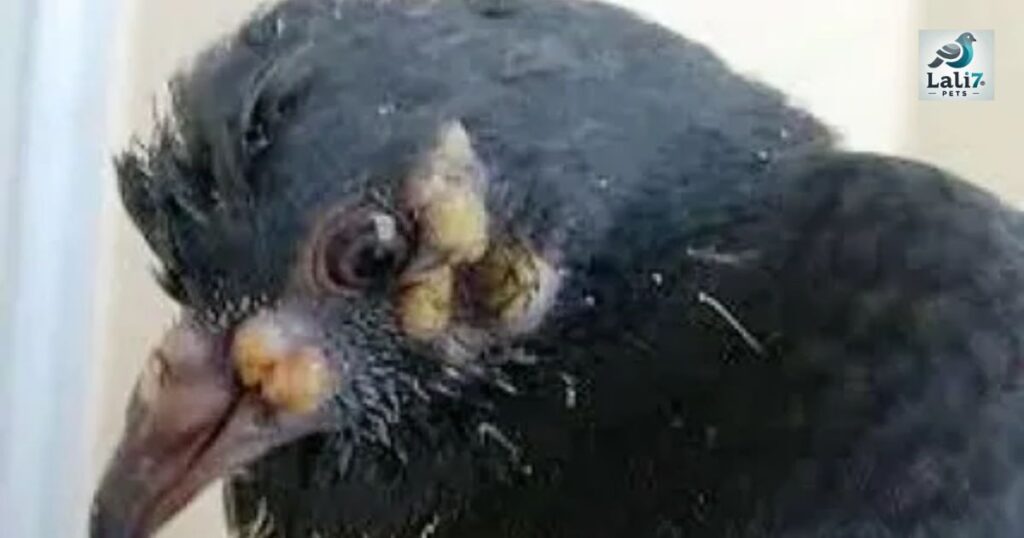
- Appearance: You will see crusty, wart-like growths on the unfeathered parts of the bird’s body.
- Locations: Look at the beak, eyelids, feet, and legs.
- Progression: These growths start as small blisters, turn into yellow nodules, and eventually form rough, dark scabs.
- Outcome: Usually, the bird recovers within 3 to 4 weeks. The scabs fall off, leaving little to no scarring.
2. Wet Pox (Diphtheritic Form)
This form is much more dangerous and requires immediate, careful attention.
- Appearance: Instead of external warts, soft, yellowish, cheesy-looking lesions form on the mucous membranes.
- Locations: These appear inside the mouth, throat, and sometimes the upper respiratory tract.
- Danger: These lesions can grow large enough to block the windpipe, causing the pigeon to suffocate. They can also make eating and drinking impossible.
- Outcome: Mortality rates are significantly higher with wet pox due to suffocation or starvation.
How Do Pigeons Catch the Virus?
You might be wondering, “My loft is clean; how did this happen?” Even the cleanest lofts can be infiltrated. The transmission of pigeon pox happens in three main ways:
1. The Mosquito Menace
This is the most common method of transmission. Mosquitoes and other biting insects act as mechanical vectors. When a mosquito bites an infected bird, it picks up the virus. When it flies over to bite “Blue,” it injects the virus directly into his bloodstream. This is why pox outbreaks are most common in late summer and autumn when mosquito populations are high.
2. Direct Contact
Pigeons are social creatures. However, fighting, pecking, or even mutual preening can spread the virus. If an infected bird has a broken scab and touches a healthy bird through a small cut or abrasion, the virus spreads.
3. Contaminated Environment
Remember those scabs we mentioned? When they fall off, they turn into dust. If a healthy pigeon inhales this infected dust or eats food contaminated with it, they can contract the virus. This is why loft hygiene is critical.
Step-by-Step Guide: Treating an Infected Pigeon
Here is the hard truth: There is no cure for pigeon pox. Because it is a virus, antibiotics will not kill it. The virus must run its course.
However, do not lose hope! Your job is to provide supportive care. You must keep the bird strong enough to fight off the virus on its own. Follow this step-by-step protocol immediately after identifying symptoms.
Step 1: Isolate Immediately
The moment you see a suspicious bump, remove that bird from the loft. Place them in a “hospital cage” far away from the other pigeons. This prevents direct contact and stops the spread.
Step 2: Check for Canker
Pigeon pox (specifically the wet form) often looks very similar to Canker (Trichomoniasis). Furthermore, these two diseases often attack together because the bird’s immune system is weak. Consult your veterinarian to rule out or treat secondary infections.
Step 3: Boost the Immune System
Since the bird’s body is doing the fighting, you need to fuel the battle.
- Vitamins: Add a high-quality multivitamin supplement to their water. Look for Vitamin A, which helps heal skin and mucous membranes.
- Probiotics: Gut health is linked to immunity. Give them probiotics to keep their digestion strong.
Step 4: Treat the Lesions (Dry Pox)
For external warts (Dry Pox), you can help dry them out and prevent secondary bacterial infections.
- Application: Use a cotton swab to dab Betadine or an iodine solution onto the warts.
- Caution: Do not get this in the bird’s eyes.
- Do Not Remove Scabs: Never try to pull the scabs off forcefully. This causes bleeding and releases more virus into the air. Let them fall off naturally.
Step 5: Manage Wet Pox Carefully
If the bird has lesions in the mouth:
- Do NOT Scrape: Scraping these lesions will cause severe bleeding.
- Hand Feeding: The bird may not be able to eat. You may need to hand-feed them soft, easily digestible formula.
- Q-Tip Cleaning: gently swab the mouth with an appropriate antiseptic recommended by your vet, but be extremely gentle.
Step 6: Prevent Secondary Infections
While antibiotics don’t kill the virus, your vet might prescribe them to stop bacteria from infecting the open sores caused by the pox.
Prevention: The Best Medicine
Watching a bird suffer from pigeon pox is painful for any owner. The good news is that prevention is highly effective. You can almost entirely eliminate the risk with the right strategy.
Vaccination is Key
The single most effective way to protect your flock is the pigeon pox vaccine.
- When to Vaccinate: Most fanciers vaccinate young birds (squeakers) at about 6 to 8 weeks old. It is also smart to vaccinate all birds a month before the mosquito season starts.
- The Method: The vaccine is usually applied via the “feather follicle” method. You pluck a few feathers from the leg or breast and brush the vaccine into the open follicles.
- The “Take”: After a few days, you should see a small scab form at the vaccination site. This is called a “take,” and it confirms the vaccine is working.
Mosquito Control
Since mosquitoes are the primary delivery service for this virus, you must declare war on them.
- Screens: Install insect-proof mesh over your loft ventilation points.
- Standing Water: Eliminate any stagnant water around the loft where mosquitoes might breed.
- Safe Repellents: Use bird-safe insect repellents or traps around the exterior of the loft.
Quarantine New Birds
Never introduce a new bird directly into your loft. Keep them in a separate quarantine cage for at least 21 days. This ensures they aren’t carrying pigeon pox or other hidden diseases.
Natural Remedies and Long-Term Health
While medical intervention is necessary, many veteran fanciers swear by natural methods to keep their flock resistant to disease. A bird with high natural vitality is less likely to succumb to severe infections.
Garlic and Apple Cider Vinegar
Adding a clove of crushed garlic or a splash of Apple Cider Vinegar (ACV) to the drinking water once a week can create an acidic environment in the gut that discourages bad bacteria and fungi. While this won’t cure pox, it supports overall health.
Stress Reduction
Stress kills immunity. Overcrowding, poor ventilation, and frightening environments weaken your birds. Ensure your loft is dry, spacious, and calm. A happy pigeon is a healthy pigeon.
Frequently Asked Questions (FAQs)
Here are the most common questions pigeon owners ask when facing this disease.
1. Can humans catch pigeon pox?
No. You can breathe a sigh of relief. Pigeon pox is species-specific. It cannot be transmitted to humans, dogs, cats, or other non-avian pets. However, you should still wash your hands after handling infected birds to prevent spreading the virus to other birds or equipment.
2. Will my pigeon survive?
In most cases of Dry Pox, yes. The survival rate is very high, and the bird will likely recover fully within a month. However, Wet Pox has a higher mortality rate. Survival depends on how quickly you spot it and how well you support the bird with nutrition and care.
3. Can a cured pigeon get pox again?
This is the silver lining. Once a pigeon recovers from a natural infection, they typically develop lifelong immunity. They are unlikely to ever get pigeon pox again.
4. Is the meat or eggs from an infected pigeon safe?
While the virus doesn’t affect humans, it is generally recommended not to consume meat or eggs from a sick animal. The bird is fighting a systemic virus and may have secondary bacterial infections. Focus on healing the bird first.
5. How do I clean the loft after an outbreak?
You need to be thorough. Remove all bedding and scrape the loft clean. Use a strong disinfectant, like a bleach solution (1 part bleach to 10 parts water) or a specialised veterinary virucidal cleaner. Pay special attention to perches, feeders, and drinkers.
Conclusion: Vigilance is Victory
Dealing with pigeon pox can be a stressful ordeal for any fancier. I remember the first time I saw it; I felt helpless. But remember, knowledge is power.
By recognising the symptoms of Dry Pox and Wet Pox early, isolating the sick birds, and providing supportive care, you give your feathered friends the best fighting chance. More importantly, by implementing a strict vaccination schedule and controlling mosquitoes, you can ensure that this nasty virus never plagues your loft again.
Your pigeons rely on you for their safety. Check your flock today. Look at their beaks, check their feet, and listen to their breathing. A few minutes of observation can save a life.
Do you need high-quality supplies to protect your flock? Don’t wait for an outbreak. Stock up on vitamins, disinfectants, and mosquito control solutions today to keep your champions flying high.