
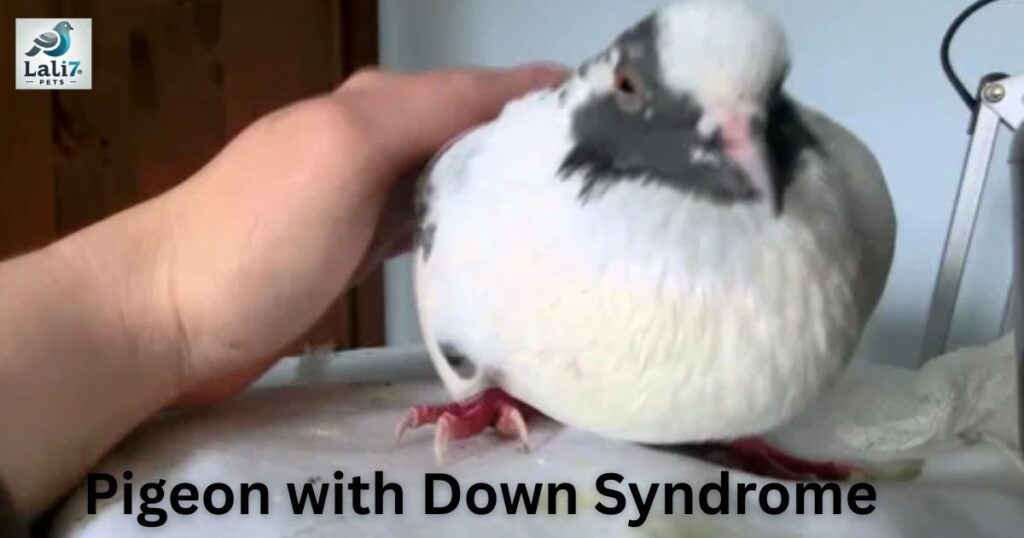
Have you ever walked through a city park, tossing crumbs to a flock of birds, when one particular pigeon caught your eye? Perhaps it looked a little different. Maybe its eyes seemed wider set, its movements were uncoordinated, or it had a noticeable head tilt. You might have heard someone whisper, or perhaps you wondered yourself: “Is that a pigeon with Down syndrome?”
It is a question that has sparked viral internet threads, heartwarming (but often misleading) videos, and genuine curiosity from animal lovers. We often project human traits onto animals—a practice called anthropomorphism, to make sense of what we see.
However, we need to set the record straight immediately:
Biologically speaking, pigeons cannot have Down syndrome.
While that specific diagnosis is impossible for a bird, the symptoms you are seeing—the clumsiness, the unique facial features, or the confusion—are very real. They are usually signs of serious pigeon neurological diseases, genetic mishaps, or trauma.
This comprehensive guide will debunk the myths, explain the fascinating science of avian genetics, and help you identify the real health issues affecting these birds. By the end, you will know exactly what is happening and how to help a special needs pigeon properly.
- The Human Connection: Understanding Down Syndrome
- Fundamental Differences: Avian vs. Human Genetics
- What People Think is 'Down Syndrome' in Pigeons
- The Real Culprits: Pigeon Health Issues Mistaken for Down Syndrome
- How to Recognize a 'Special Needs' Pigeon
- What to Do If You Find a Pigeon with Unusual Symptoms
- Conclusion: Promoting Understanding and Responsible Welfare
- FAQs: Pigeon with Down Syndrome
The Human Connection: Understanding Down Syndrome
To understand why a pigeon with Down syndrome is a biological impossibility, we first have to look at what the condition actually is.
Down syndrome, also known as Trisomy 21, is a uniquely human genetic disorder.
- Definition: It occurs when an individual has a full or partial extra copy of chromosome 21.
- The Structure: Humans normally have 23 pairs of chromosomes. In Down syndrome, the 21st set has three chromosomes instead of two.
- The Result: This extra genetic material alters the course of development and causes the characteristics associated with Down syndrome, such as low muscle tone, distinct facial features, and varying degrees of cognitive impairment.
This condition is specific to the way human DNA is packaged. If you change the species, you change the map of the DNA entirely.
Fundamental Differences: Avian vs. Human Genetics
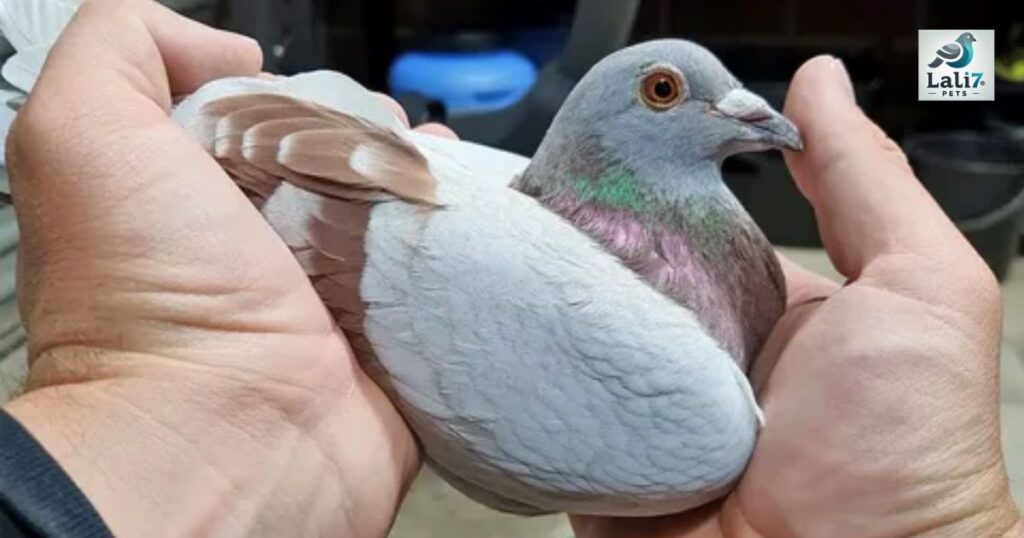
The primary reason you won’t find a bird with Down syndrome lies in the big biological differences between mammals and avians. It is not just that they are different animals; their genetic architecture is built on a completely different blueprint.
1. Chromosome Numbers and Structure
Humans have 46 chromosomes (23 pairs). Pigeons, specifically the Rock Pigeon (Columba livia), typically have a chromosome count of roughly 80 (40 pairs).
Bird chromosomes are categorized differently into “macrochromosomes” (large) and “microchromosomes” (tiny). A pigeon does not have a “Chromosome 21” that matches the human version. Even if a pigeon had a trisomy (three copies) of their 21st chromosome, it would contain completely different genes affecting different body parts than it would in a human.
2. The ZW Sex Determination System
In humans, sex is determined by the XY system (XX for females, XY for males). Birds operate on the bird ZW chromosomes system:
- Males: ZZ (Homogametic)
- Females: ZW (Heterogametic)
This fundamental difference in avian karyotype structure means that genetic disorders manifest differently in birds than in mammals.
3. Can Animals Have Any Chromosomal Abnormalities?
Yes, animal trisomy and genetic mutations exist. Scientists have documented chromosomal abnormalities in various species, including chimpanzees (our closest relatives) who can have a condition analogous to Down syndrome (Trisomy 22 in apes).
However, in birds, major chromosomal defects are usually fatal before the egg even hatches. If a chick does survive with a major avian chromosomal abnormality, the resulting deformities are usually severe and do not resemble the human presentation of Down syndrome.
What People Think is ‘Down Syndrome’ in Pigeons
If it is impossible, why are there so many photos online tagged as “pigeon with Down syndrome”?
The answer is anthropomorphism. Humans are wired to recognize patterns. When we see a pigeon with:
- Wide-set eyes or abnormal eyelids.
- A flat or broad beak.
- A confused, docile demeanor.
- Clumsy walking (splayed legs).
…our brain maps those traits to what we know: Down syndrome. Viral social media accounts often caption videos of disabled pets with these diagnoses because it makes the animal seem “relatable” or “cute,” but it spreads misinformation regarding animal health.
The reality is often heartbreakingly different. That “cute” head tilt is often a sign of a devastating brain infection.
The Real Culprits: Pigeon Health Issues Mistaken for Down Syndrome
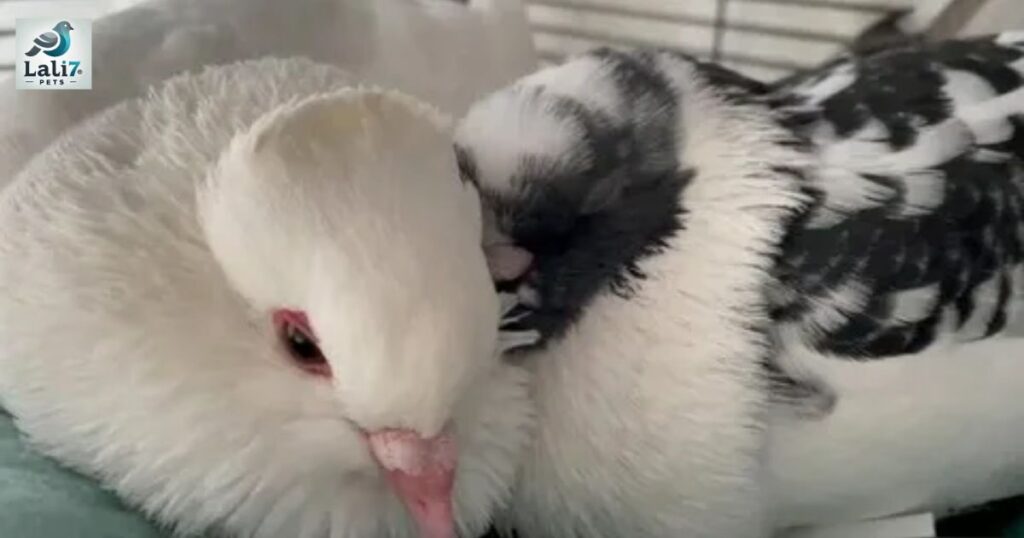
If you encounter a pigeon that looks or acts “different,” it is likely suffering from one of the following specific conditions. Understanding these is vital for animal welfare and proper treatment.
1. Pigeon Paramyxovirus (PPMV-1)
This is the number one cause of the “Down syndrome” look in pigeons. Pigeon Paramyxovirus is a highly contagious viral infection that attacks the nervous system.
Symptoms that mimic disability:
- Twisted Neck (Torticollis): The bird cannot hold its head up. It may twist upside down, a condition often called “stargazing.”
- Lack of Coordination: The pigeon may spin in circles, fall over, or have tremors.
- Difficulty Eating: Because of the neurological shakes, they peck at seeds but miss.
To an untrained eye, a bird stumbling around with a “confused” look appears to have a cognitive disability. In reality, it is a pigeon neurological disease causing vertigo and loss of motor control.
Note: While deadly in the wild due to starvation and predation, pigeons can survive PPMV with supportive care (hand-feeding and safety) after 6–12 weeks of shedding the virus.
2. Protozoal Encephalitis (Sarcocystis calchasi)
This is a newer threat causing pigeon neurological symptoms. It is caused by a parasite that creates cysts in the bird’s brain. The symptoms—stumbling, head tilting, and weakness—are nearly identical to PPMV and are frequently misidentified by the public as genetic defects.
3. Congenital and Developmental Malformations
Sometimes, a pigeon is born with bird congenital deformities due to issues during incubation or poor genetics.
- Beak Deformities: A Scissor beak or a cross beak can make the face look asymmetrical.
- Microphthalmia: Abnormally small eyes can alter facial appearance.
- Feather Issues: Conditions like Psittacine Beak and Feather Disease (PBFD) (rarer in pigeons but possible in other birds) cause distinct physical changes.
4. Trauma and Injury
Pigeons live tough lives. A collision with a window or a car can cause:
- Head trauma leading to permanent neurological damage.
- Spinal injuries causing a wobbly gait.
- Broken wings that heal improperly, changing the bird’s posture.
5. Nutritional Deficiencies
Young pigeons (squabs) require specific nutrients found in pigeon crop milk. If a squab is malnourished, it may develop metabolic bone disease or rickets, leading to soft bones and splayed legs. This physical inability to walk properly is often mistaken for a genetic birth defect.
How to Recognize a ‘Special Needs’ Pigeon
If you love birds or keep them as pets, knowing the difference between a sick bird and a quirky one is essential. Here is a checklist to help you identify pigeon health problems.
Behavioral Indicators:
- Lethargy: The bird is fluffed up and unresponsive.
- “Stargazing”: The twisted neck pigeon cause is almost always neurological (PPMV).
- Spinning: Walking in tight circles repeatedly.
- Fly-strike: Inability to fly or landing clumsily.
Physical Indicators:
- Discharge: Gooey eyes or nostrils (nares).
- Weight Loss: A prominent keel bone (breast bone) indicates starvation.
- Abnormal Droppings: Bright green or watery droppings suggest viral or bacterial infections like Salmonella.
Differentiating from Normal Behavior: Male pigeons often perform a “dance” puffing their chest, fanning their tail, and spinning—to woo a female. This is healthy pigeon nesting behavior and courtship, not a seizure or lack of coordination.
What to Do If You Find a Pigeon with Unusual Symptoms
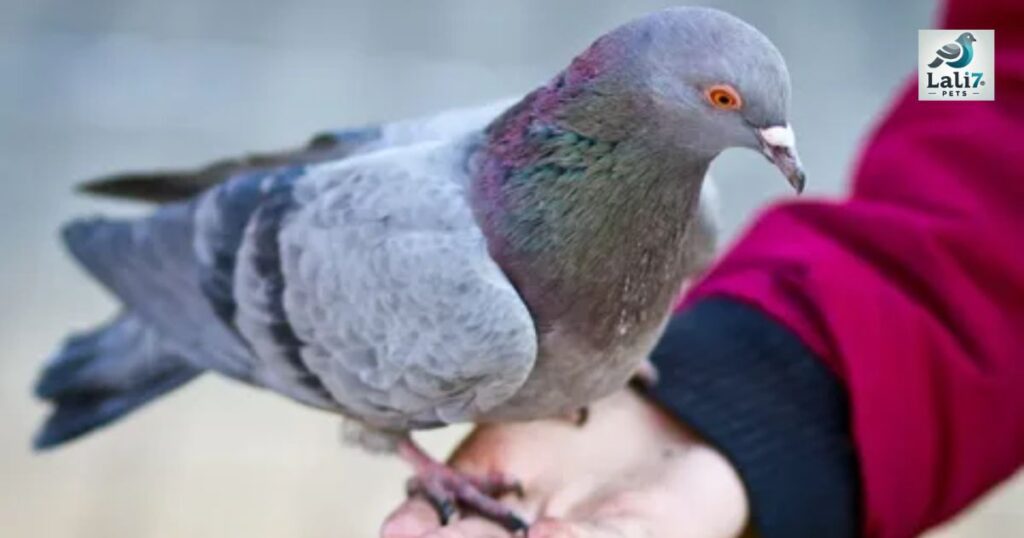
Finding a sick animal can be distressing. Your first instinct might be to take it home and treat it as a “special needs” pet. Please proceed with caution.
Step-by-Step Guide for Rescuing a Sick Pigeon:
- Do Not Assume it is Genetic: Assume the bird has a contagious disease like Pigeon Paramyxovirus. Keep it away from other pet birds immediately.
- Secure the Bird: Gently place the pigeon in a cardboard box with air holes and a soft towel. Keep it in a warm, dark, and quiet place. This reduces stress, which can kill a bird in shock.
- Hydration is Key: If the bird is alert, offer a deep dish of water. Do not force water down its throat, as you can drown it (aspirate).
- Contact a Professional: This is the most critical step. You need a diagnosis. Contact a local wildlife rehabilitator or an avian veterinarian. They can test for viruses and determine if the bird can be saved or if it is suffering.
- Avoid Bread: Bread offers zero nutrition. If you must feed it while waiting for help, offer bird seed, peas, or corn.
Expert Insight: Many “disabled” pigeons can live happy lives in captivity as pigeon care special needs pets if they recover from the acute phase of an illness. However, this requires dedication, avian vet checks, and a safe indoor environment.
Conclusion: Promoting Understanding and Responsible Welfare
The myth of the pigeon with Down syndrome comes from a place of compassion—we see a vulnerable creature and want to understand its struggle through a human lens. However, true compassion requires scientific accuracy.
By understanding that these birds are likely suffering from avian neurological diseases like Paramyxovirus, trauma, or malnutrition, we can move away from simply taking “cute” pictures and move toward getting them the medical help they desperately need.
Key Takeaways:
- Pigeons cannot have Down syndrome (Trisomy 21) because of differences in their chromosomal structures.
- The “Down syndrome look” is often caused by Pigeon Paramyxovirus (PPMV-1), head trauma, or developmental deformities.
- Recognizing the difference between a genetic quirk and a contagious disease protects other birds.
- Always seek professional help from avian veterinarians or wildlife rescues rather than self-diagnosing.
Let’s spread awareness, not misinformation. If you see a bird that looks different, look deeper. It might not be a genetic anomaly; it might be a little survivor fighting a virus, waiting for a helping hand.
FAQs: Pigeon with Down Syndrome
Q: Can pigeons actually get Down syndrome?
A: No. Down syndrome (Trisomy 21) is specific to human genetics. Pigeons have a different number of chromosomes (approx. 80) and a different genetic structure. They cannot replicate the specific chromosomal anomaly that causes Down syndrome in humans.
Q: What causes a pigeon to have a twisted neck or unusual movements?
A: The most common cause is Pigeon Paramyxovirus (PPMV-1), a viral disease. Other causes include head trauma, Salmonella infections (paratyphoid), or Protozoal Encephalitis caused by Sarcocystis calchasi.
Q: Do other animals, besides humans, experience Down syndrome?
A: Generally, no. While other animals can have chromosomal trisomies (extra chromosomes), they are species-specific. For example, chimpanzees can have Trisomy 22, which is similar to Down syndrome, but it is not the same condition. In most animals, such defects are fatal before birth.
Q: Why do some viral images show pigeons that ‘look’ like they have Down syndrome?
A: This is due to anthropomorphism. Physical deformities (like a broad beak or wide eyes) or neurological symptoms (like a tilted head) remind us of human traits associated with Down syndrome. However, the underlying cause in the bird is usually disease or injury.
Q: Is Pigeon Paramyxovirus (PPMV) a serious condition?
A: Yes, it is dire and highly contagious to other birds. Symptoms include “stargazing” (twisted neck), tremors, paralysis, and walking in circles. While many birds die from starvation or inability to fly, some can recover with supportive care (hand-feeding) over several weeks.
Q: What should I do if I find a pigeon that appears sick or deformed?
A: Place the bird in a warm, dark, ventilated box. Do not try to force-feed it immediately. Contact a licensed wildlife rehabilitator or an avian vet. Isolate the bird from any other pets, especially other birds, as the condition could be contagious.