
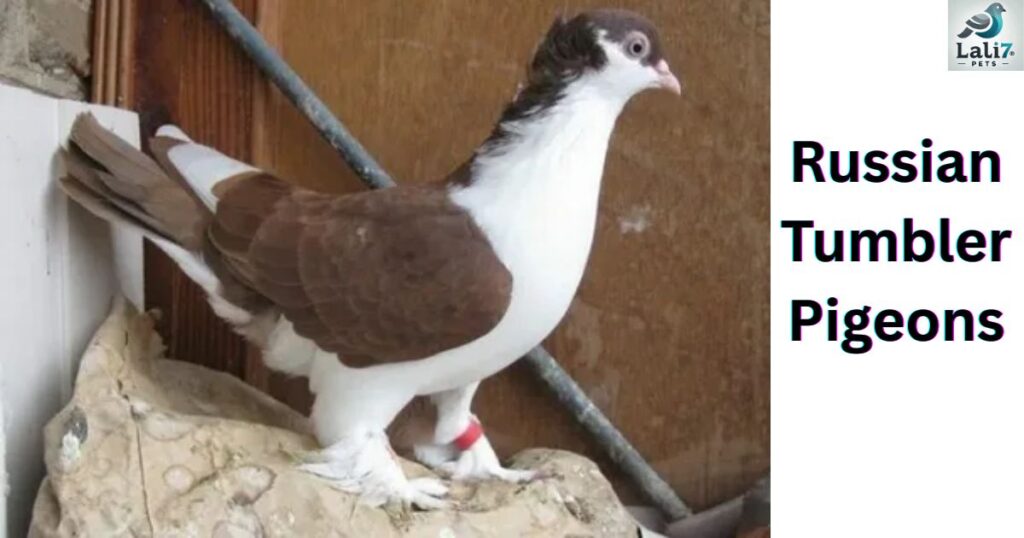
Imagine a bird that transforms the sky into a personal stage, executing backward somersaults with effortless grace. The Russian tumbler pigeon captivates pigeon enthusiasts worldwide with its incredible aerial acrobatics and striking appearance. Their unique blend of beauty and performance sets them apart in the avian kingdom.
These domesticated pigeons offer more than just entertainment; they bring a rich heritage and a friendly demeanor to any coop. Whether you desire a show-stopping exhibition bird or a delightful backyard companion, this breed delivers joy in spades. Let’s explore the secrets behind their tumbling skills and charm.
- Understanding the Russian Tumbler Pigeon
- The Art of Tumbling: Flight and Performance Abilities
- Comprehensive Care for Russian Tumbler Pigeons
- Breeding Russian Tumbler Pigeons
- Russian Tumblers in Shows and Competitions
- Acquiring Russian Tumbler Pigeons
- Frequently Asked Questions (FAQs) About Russian Tumbler Pigeons
- Conclusion: Why the Russian Tumbler Pigeon is a Cherished Breed
Understanding the Russian Tumbler Pigeon
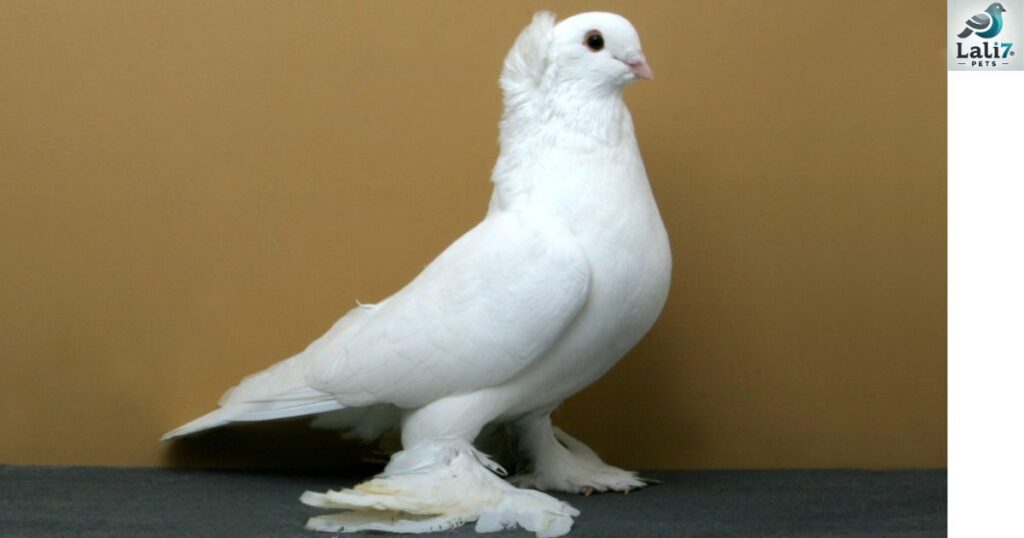
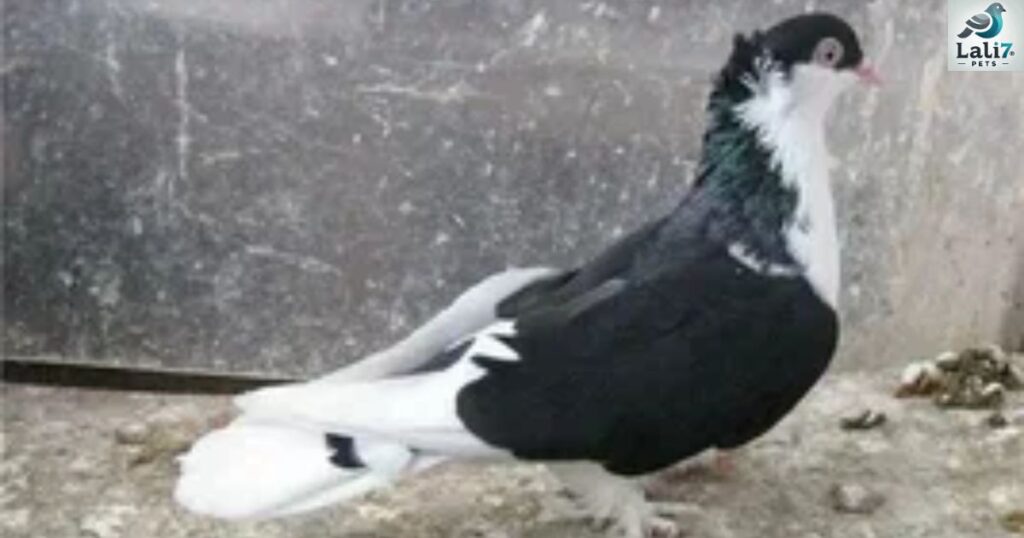
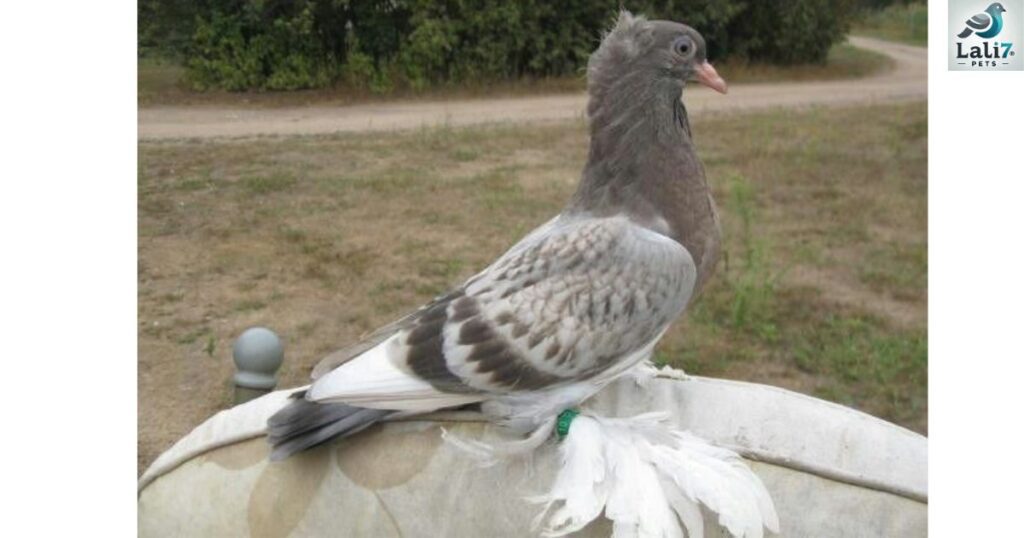
This breed stands out as a masterpiece of avian genetics, cherished for its compact body and vibrant personality. Owners often describe them as “lively ornaments” due to their stunning color varieties and patterns. Their manageable size makes them economical to keep for both urban and rural fanciers.
Beyond their looks, these birds possess a calm disposition that makes them wonderful pets. They adapt quickly to new environments and bond closely with their caretakers. Understanding their specific characteristics and traits ensures you provide the best life for these feathered friends.
Origin and Rich History
The origin and history of this breed traces back to hardy ancestors like the East Prussian Roller and the Norwegian Tumbler. Developed over centuries, they were refined in Russia for their stamina and tumbling skills. This lineage explains their robust health and persistent high-flying skills.
Distinctive Physical Characteristics
A true showstopper, the bird boasts a distinct broad crest and expressive pearl eyes set within an oval head. Their legs often feature layered muffs, adding elegance to their stance. Judges at pigeon shows scrutinize these features alongside their lustrous plumage.
Temperament and Personality
Known for being even-tempered, the Russian tumbler pigeon is remarkably friendly and rarely shows aggression. They are highly social creatures, thriving on interaction with flock mates and humans alike. Their docile nature makes them excellent candidates for families and pigeon enthusiasts just starting out.
The Art of Tumbling: Flight and Performance Abilities
Witnessing the aerial stunts of these pigeons is a breathtaking experience. They perform rapid backward flips during flight, a behavior that seems almost impossible to the untrained eye. This acrobatic prowess turns a simple flight session into a mesmerizing performance of agility and coordination.
While some birds tumble excessively, a balanced performer maintains altitude while executing precise rolls. Owners prize individuals that display controlled energy rather than chaotic movement. Mastering the observation of their performance and flight abilities takes patience but offers immense rewards for the dedicated keeper.
What is Tumbling?
Tumbling involves a series of backward somersaults executed mid-air, showcasing the bird’s agility. These aerial acrobatics can range from single flips to long, cascading rolls. It is a spectacular display of coordination that defines the fancy pigeon breed category.
Natural Acrobats: Inherent Tumbling Skills
These maneuvers are largely instinctual, driven by genetic traits passed down through generations. While breeding techniques can refine the frequency, the impulse to roll is innate. The best performers balance their tumbling skills with the ability to fly strongly and return home safely.
Encouraging and Enhancing Flight Performance
To maximize their potential, offer consistent flight time in a safe environment. Gentle training reinforces their high-flying skills without causing stress. A supportive atmosphere allows the Russian tumbler pigeon to develop confidence, leading to sharper and more frequent aerial stunts.
Russian Tumbler vs. Other Tumbler & Russian Breeds
Distinct differences exist between the Russian Tumbler and breeds like the Rostov Tumbler or Volsky high flying tumbler. While the Moscovite Tumbler focuses on high-altitude endurance, the Russian Tumbler balances aesthetics with performance. This breed is generally more robust and compact body oriented than the purely ornamental varieties.
Comprehensive Care for Russian Tumbler Pigeons
Providing top-tier care and maintenance is non-negotiable for keeping your flock healthy. These birds are hardy, yet they require specific attention to thrive and perform well. A dedicated owner establishes a routine that covers everything from daily hygiene to long-term health management.
Neglecting basics like cleanliness can lead to preventable issues, so vigilance is key. By focusing on a holistic approach to tumbler pigeon care, you ensure longevity and vitality. Happy birds are better performers and more successful breeders in the long run.
Ideal Housing and Loft Setup
Your pigeon loft design must be dry, well-ventilated, and strictly predator-proof. Ensure there is ample space for nesting areas and perches to prevent overcrowding. Cleanliness is vital to prevent disease, so prioritize easy-to-clean surfaces in your loft or coop.
Nutritional Needs and Balanced Diet
A robust pigeon diet consists of high-quality grains and seeds tailored to their energy output. During molting or breeding, add vitamin supplements and essential minerals. Always provide grit to aid digestion and ensure fresh water is available to support their high metabolism.
Health Management and Disease Prevention
Regular checks by an avian veterinarian help mitigate common health issues pigeons face, such as canker or parasites. Implement strict hygiene protocols and quarantine new birds to stop potential outbreaks. Proactive monitoring ensures your flock remains disease-free and vigorous.
Grooming and Maintenance
Routine checks of their layered muffs and feathers keep them in exhibition condition. Keep the loft dry to prevent mud accumulation on their foot feathers. Proper grooming highlights their natural beauty and prevents discomfort, essential for any fancy pigeon breed.
Breeding Russian Tumbler Pigeons
Breeding pigeons is a rewarding pursuit that allows you to preserve the breed’s unique qualities. Russian Tumblers are generally good parents, diligently incubating eggs and feeding their young. Watching a pair raise healthy squabs is a highlight for any fancier.
Success requires understanding genetics to improve conformation and performance. You hold the responsibility of shaping the next generation. Thoughtful pairing decisions today influence the quality of the Russian tumbler pigeon lineage tomorrow.
Genetic Traits and Selective Breeding
Mastering breeding techniques involves selecting pairs that complement each other’s strengths. Focus on heritable traits like pearl eyes and tumbling frequency. Understanding color genetics helps produce stunning color varieties and patterns while maintaining the breed’s standard structure.
Breeding Cycle and Techniques
The cycle begins with pairing, followed by nest building and egg-laying. Provide nesting bowls and material to support their instincts. These birds are attentive, but monitoring the squab rearing phase ensures strong growth rates and healthy development of young domesticated pigeons.
Ethical Breeding Practices and Common Challenges
Responsible breeders prioritize health over extreme physical features. Avoid overbreeding, which can weaken the flock’s immune system. addressing genetic traits responsibly ensures you don’t propagate defects, maintaining the integrity and welfare of these beloved acrobatic birds.
Russian Tumblers in Shows and Competitions
Entering pigeon shows offers a platform to compare your birds against the breed standard. It creates a sense of community among pigeon enthusiasts and drives improvement in the breed. The thrill of competition adds a new dimension to pigeon keeping.
Preparation involves conditioning your birds to look their absolute best. Judges have a keen eye for detail, so every feather counts. Success in the show ring validates your breeding program and dedication to the exhibition and show standards.
Show Standards and Conformation
Judges look for a compact body, correct broad crest, and symmetrical markings. The bird must exhibit a calm demeanor while being handled. Adhering to the official standard ensures your Russian tumbler pigeon scores highly on conformation.
Participation and Judging Criteria
Competitions evaluate both physical beauty and condition. Judges assess the quality of the plumage, the brightness of the eyes, and overall balance. A winning bird displays vitality and fits the ideal description of the fancy pigeon breed perfectly.
Acquiring Russian Tumbler Pigeons
Finding the right bird starts with locating trustworthy sources. Avoid buying from unknown sellers; instead, connect with established communities like the National Russian Tumbler Club. Experienced breeders provide healthy stock and invaluable mentorship for beginners.
When you find a potential bird, inspect it closely. A healthy pigeon is alert, clean, and active. Investing time in sexing pigeons and checking pedigrees prevents future headaches and ensures you get exactly what you pay for.
Where to Find Reputable Breeders and Clubs
Join the National Russian Tumbler Club or attend local fairs to meet ethical experts. Online forums can also connect you with breeders who prioritize health. Networking with established pigeon enthusiasts is the safest route to acquiring quality stock.
What to Look for When Buying
Check for clear eyes, clean vents, and smooth breathing. Ask about the bird’s tumbling skills and lineage history. A reputable seller will be transparent about the bird’s background, health history, and sexing pigeons.
Estimated Costs and Ownership Considerations
While the pigeon prices for this breed are reasonable, factor in the ongoing costs. Budget for quality feed, avian veterinarian visits, and housing maintenance. Economical to keep doesn’t mean cost-free; responsible ownership requires financial planning for the lifetime of the item.
Frequently Asked Questions (FAQs) About Russian Tumbler Pigeons
New owners often have specific questions regarding the nuances of this breed. Clarifying these doubts early helps in providing the best environment. Below are answers to the most common inquiries from curious fanciers.
Addressing these queries helps demystify the care and maintenance required. Knowledge is power in animal husbandry. Here is what you need to know to succeed with your new flock.
What is a Russian Tumbler pigeon?
It is a breed of domesticated pigeons originating from Russia, known for its tumbling skills, broad crest, and layered muffs. They are popular for both exhibition and flying.
How long do Russian Tumbler pigeons live?
With proper health management, they typically live between 10 to 15 years.
Are Russian Tumblers good pets and suitable for beginners?
Yes, their even-tempered and friendly nature makes them excellent for novices and families.
Do Russian Tumblers need special training to perform their tumbling flights?
Their aerial stunts are instinctual, but consistent flight practice enhances their performance.
What are the essential care requirements, including diet and housing?
They need a predator-proof loft, a diet of grains and seeds, grit, and fresh water.
Conclusion: Why the Russian Tumbler Pigeon is a Cherished Breed
The Russian tumbler pigeon offers a unique blend of visual beauty and dynamic performance. Their loyalty, combined with their spectacular aerial acrobatics, makes them a standout choice for any coop. They truly embody the spirit of the fancy pigeon breed world.
Whether you are drawn to the excitement of competitive pigeon flying or the peace of a backyard loft, this bird delivers. Embrace the journey of raising these feathered acrobats. Your life will be richer for the company of these delightful, high-flying companions.