
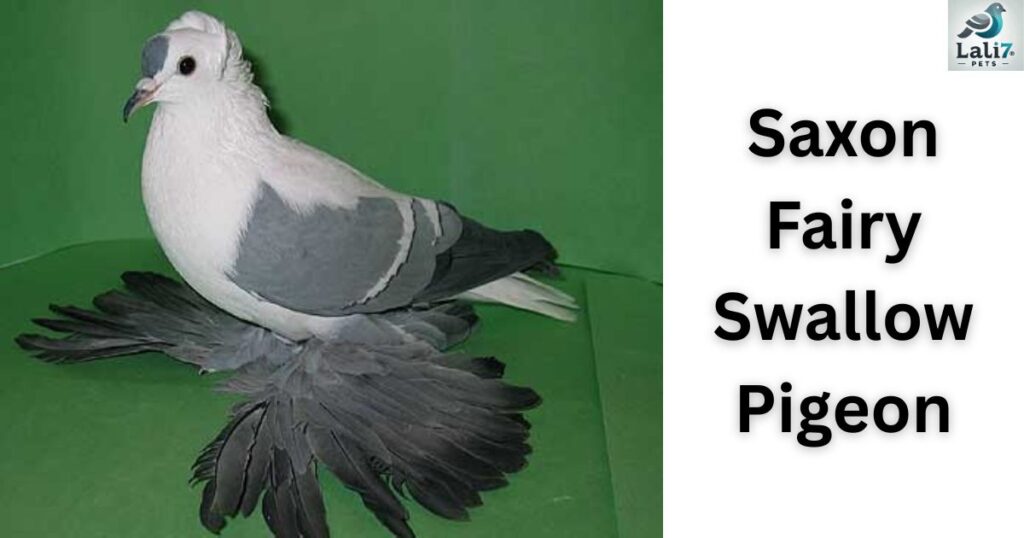
Visual elegance meets avian grace in the world of fancy pigeons, yet few breeds capture the imagination quite like the Saxon Fairy Swallow. With their heavily feathered feet, intricate wing markings, and distinctive shell crest, these birds look less like common city dwellers and more like mythical creatures crafted from porcelain and silk. Originating from the historic Saxony territory of Germany, this breed represents the pinnacle of selective breeding, transforming the humble rock pigeon descendants into a masterpiece of ornamental purpose.
Enthusiasts and breeders prize this bird not just for its stunning appearance, but for its rich history and calm demeanor. Whether you are a seasoned fancier looking to expand your loft or a beginner captivated by their beauty, understanding the nuance of the Saxon Fairy Swallow is essential. This guide delves deep into the specific requirements, breeding secrets, and exhibition standards that define this remarkable variety.
- Origin: Developed in the Saxony territory of Germany (Erzgebirge region).
- Appearance: Distinctive colored cap and wings on a white body, huge muffs (foot feathers), and a shell-crested head.
- Care Level: Intermediate to Advanced. The extensive foot feathering requires pristine living conditions to prevent breakage and infection.
- Primary Use: Strictly show or exhibition; their heavy muffs make them poor candidates for free flight.
- Introduction to the Saxon Fairy Swallow Pigeon
- Detailed Physical Characteristics
- Temperament and Behavior
- Care and Management of Saxon Fairy Swallows
- Saxon Fairy Swallow Pigeons in Exhibition
- Where to Find Saxon Fairy Swallow Pigeons
- Differentiating the Saxon Fairy Swallow from Similar Breeds
- Conclusion: The Enduring Charm of the Saxon Fairy Swallow
- Frequently Asked Questions (FAQs)
Introduction to the Saxon Fairy Swallow Pigeon

Origin and History: Tracing Its German Roots
The narrative of the Saxon Fairy Swallow begins in the verdant, rolling hills of Saxony, Germany. German breeders, known globally for their precision and dedication to aviculture, spent centuries refining the “Saxon Color Pigeons” (Sächsische Farbentauben) group. The Fairy Swallow, or Sächsische Feenschwalbe, emerged as a distinct variety within this family. Unlike breeds developed for speed or meat, these birds were sculpted purely for beauty. They share ancestry with other swallow pigeons, but the regional focus in Saxony prioritized heavily feathered feet and specific marking precision that sets them apart from their cousins in Nuremberg or Thuringia.
Why the “Fairy Swallow”? Understanding its Unique Name and Allure
The moniker “Fairy” is not merely marketing fluff; it is a translation of the German Feen, hinting at the bird’s delicate, almost magical aesthetic. The combination of the white body with intricate wing patterns creates a floating illusion. When perched, the massive muffs obscure their legs, giving the impression that the bird is hovering on a cloud of feathers. This ethereal quality delights pigeon enthusiasts and judges alike, cementing the breed’s status as a jewel of the fancy pigeon world.
Key Characteristics at a Glance
| Feature | Description | | :— | :— | | Body Type | Field pigeon type, strong but elegant | | Head | Broad, adorned with a wide shell-crest ending in rosettes | | Markings | Colored cap and wings (Swallow marking); white bars or spangles | | Feet | Heavily muffed (boots) with vulture hocks | | Eyes | Dark (bull eyes) with red to flesh-colored ceres | | Patterns | Barred, checkered, or laced (White bars/spangles on color) |
Detailed Physical Characteristics
Size and Build: A Small to Medium-Sized Wonder
While they possess a robust constitution, the Saxon Fairy Swallow is considered a small to medium-sized bird compared to utility breeds like Kings or Runts. They maintain the classic “field pigeon” silhouette—slender and alert—but appear larger due to their profuse plumage. A healthy specimen typically displays a broad chest and a slightly sloping back, exuding a posture of refined confidence.
Distinctive Plumage and Color Varieties
The plumage is the canvas upon which this breed’s art is displayed. The standard demands a pure white body contrasting sharply with colored sections.
White Body with Colored Cap and Wings
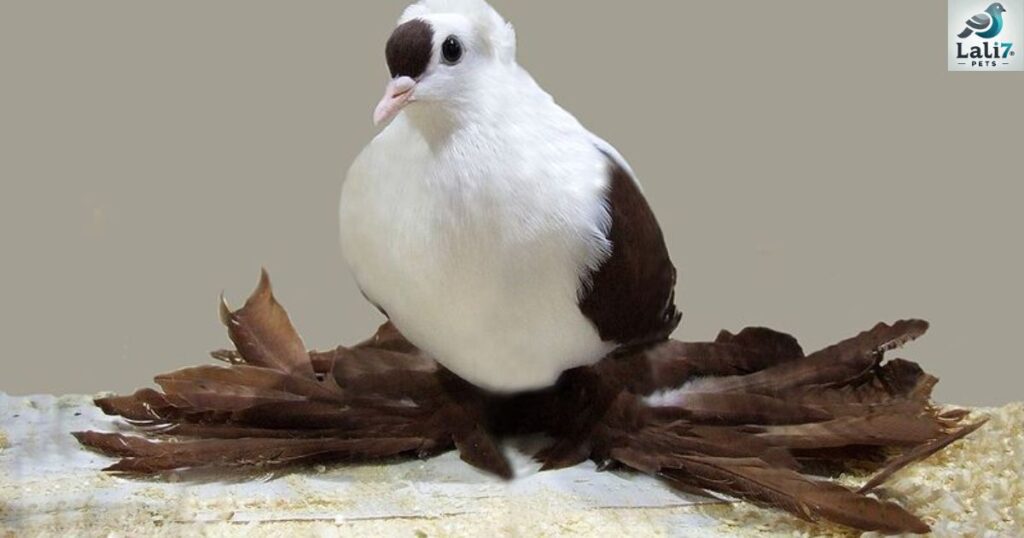
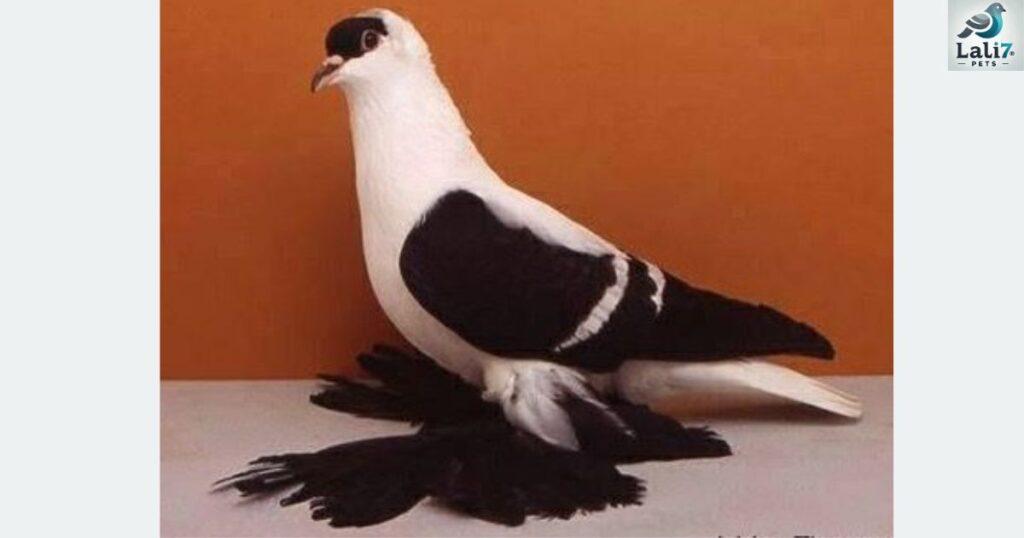
The ideal specimen features a colored “cap” covering the top of the head (from the beak to the crest) and colored wings (including the thumb feathers). The rest of the bird—throat, chest, belly, back, and tail—remains a pristine snowy white. This specific pattern is known as the “Swallow” marking.
Black, Blue, Red, Yellow, Silver: Barred and Laced Patterns
Diversity defines the Saxon Fairy Swallow. Breeders find them in black, blue, red, yellow, silver colors. What truly elevates the “Fairy” variety is the intricate patterning on the colored wings. Unlike solid-winged swallows, Fairy Swallows typically boast white barred and laced markings (often called “spangles” or checks). Crisp, defined white bars cutting through a deep black or blue wing are highly coveted in the show standards.
The Signature Feathered Feet (Muffs)
Perhaps the most dramatic feature is the foot feathering. These are not merely tufted toes; these birds wear full “boots.”
- The Muffs: Long, curved feathers growing from the metatarsus and toes, often reaching 4-6 inches in length.
- Vulture Hocks: Long feathers extending backward from the thighs, blending seamlessly into the muffs to create a skirt-like effect. The density and length of these feathers are critical. Sparse or broken muffs are considered major faults in the show ring.
Head and Beak Features: Shell-Crested Beauty
Crowning the head is a rich, shell-shaped crest. This crest should stand upright and wrap around the back of the head, terminating in small, circular swirls of feathers known as “rosettes” on either side. The beak is typically flesh-colored (light), harmonizing with the white facial plumage.
Temperament and Behavior
Docile and Gentle Nature: Ideal for Exhibition and Pets
Saxon Fairy Swallows are renowned for their docile and gentle nature. Unlike aggressive breeds that may fight over territory, these pigeons are generally calm and tolerant. This temperament makes them exceptional candidates for exhibition, as they remain composed in show cages. For families, they make a delightful pet pigeon, capable of bonding closely with owners who handle them gently and frequently.
Interaction with Humans and Other Pigeons
These birds are social creatures. They thrive in a flock environment but also respond well to human interaction. Due to their heavy feathering, they are less agile on the ground, making them less likely to engage in aggressive dominance disputes with more athletic breeds.
Flight Ability and Loft Considerations
While they physically can fly, they are not strong flyers in the traditional sense. The heavy muffs create drag, and their value as exhibition birds means breeders rarely let them free-fly. The risk of snapping a precious foot feather or falling prey to hawks is too high. They are best suited for a spacious aviary setup where they can flutter safely from perch to perch.
Care and Management of Saxon Fairy Swallows
Housing Requirements: Creating the Ideal Environment
The living conditions for Saxon Fairy Swallows must be meticulously managed. Standard coops often fail to protect the delicate foot feathers.
Loft Size and Design Considerations
A spacious cage or aviary is non-negotiable. Overcrowding leads to broken feathers and soiled plumage. The floor should be kept impeccably clean. Many breeders use deep litter methods or grate flooring to ensure the muffs do not drag in waste.
Perching and Nesting Boxes
Standard round dowels are the enemy of the Saxon Fairy Swallow.
- Perches: Use “block perches” or individual shelf perches. These allow the bird to stand flat without wrapping its toes (and damaging the muffs) around a pole.
- Nesting: Nesting boxes must be wide and easily accessible. A lip on the nest box prevents eggs from rolling out, but it shouldn’t be so high that the bird damages its boots hopping in.
Ventilation, Cleanliness, and Weather Protection
As a crested breed, they can be sensitive to drafts. Ensure the secure coop has excellent ventilation without direct wind tunnels. Moisture is the enemy; wet muffs become mud cakes, leading to bacterial infections.
Nutritional Needs: A Balanced Diet for Health and Vigor
Diet impacts feather quality directly.
- Grains and Seeds: A commercial poultry feed or pigeon mix containing grains and seeds like popcorn, wheat, milo, and safflower is standard.
- Protein Sources: During the molting and breeding seasons, increase protein sources like Canadian peas or vetch to support feather growth.
- Grit and Minerals: Always provide red grit and oyster shell to aid digestion and calcium absorption.
- Hydration: Clean water is vital. Use waterers designed to prevent the birds from stepping into the bowl and soaking their muffs.
Breeding and Reproduction
Breeding Saxon Fairy Swallows presents unique challenges.
- Trimming for Success: The profuse feathers around the vent and on the feet can physically obstruct mating. Breeders often trim (not pull) the feathers around the vent and shorten the foot feathers of breeding pairs to ensure successful fertilization.
- Squab Rearing: Like all pigeons, they produce pigeon milk / crop milk to feed their young squabs / baby pigeons. They are generally good parents, but owners must monitor that the heavy muffs do not accidentally drag eggs or chicks out of the nest bowl.
Health and Disease Prevention
- Common Issues: Watch for external parasites (lice/mites) which hide deep in the muffs. Pigeon diseases like canker and coccidiosis are common in all breeds but can be exacerbated by stress.
- Vaccinations: Vaccinate against PMV (Paramyxovirus) and Paratyphoid (Salmonella) annually.
- Foot Care: Inspect the feet weekly. Mud balls can harden on the toes, cutting off circulation and causing necrosis.
Saxon Fairy Swallow Pigeons in Exhibition
Understanding Breed Standards: What Judges Look For
In the showroom, the Saxon Fairy Swallow is judged on a point system.
- Markings (Color & Pattern): Clean lines between the white body and colored cap/wings. The “spot” or “snip” on the head must be precise.
- Muffs: Full, thick, and unbroken.
- Crest: High, shell-shaped, and symmetrical.
- Condition: Cleanliness is paramount. A stained bird will not win.
Preparation for Shows: Grooming and Training
Preparation begins weeks before the show. This involves “pen training” so the bird stands calmly. Washing the muffs is a delicate art involving warm soapy water and careful drying to fluff the feathers without breaking them.
Where to Find Saxon Fairy Swallow Pigeons
Reputable Breeders and Clubs
To acquire high-quality stock, avoid generic pet stores. Seek out dedicated pigeon clubs such as the National Pigeon Association (NPA) in the US or Great Britain. Look for specialty clubs like the “Saxon Pigeon Club” or “Rare Breed Pigeon Club.”
Average Price Range and Availability
This is a niche breed.
- Pet Quality: $50 – $100 per bird.
- Show Quality: $150 – $500+ per bird depending on lineage and marking perfection. Pricing fluctuates based on the rarity of the color (e.g., a perfect silver laced bird may command a premium).
Differentiating the Saxon Fairy Swallow from Similar Breeds
Saxon Fairy Swallow vs. Nuremberg Swallow
The primary confusion lies here. The Nuremberg Swallow is generally smaller and, crucially, often lacks the massive muffs of the Saxon. While Nurembergs can have grouse legs (lightly feathered), the Saxon must have full, long muffs. Furthermore, the Nuremberg variety often focuses on different color concentrations and head markings.
Saxon Fairy Swallow vs. Other Saxon Swallows
The “Fairy” distinction usually refers to the specific combination of wing markings (bars/checks) combined with the “Spot” (Schnippe) on the forehead, whereas a “Fullhead” Saxon Swallow has a completely colored head. The Fairy is the jewelry box of the family—more ornate and delicate in pattern.
Conclusion: The Enduring Charm of the Saxon Fairy Swallow
Owning a Saxon Fairy Swallow is a commitment to art and husbandry. These birds are not merely domestic fancy pigeons; they are living heritage, carrying the genetic legacy of centuries of German breeding. While they require higher maintenance due to their ornamental muffs and housing needs, the reward is observing one of the most visually stunning creatures in the avian world. For the dedicated fancier, the Saxon Fairy Swallow offers a perfect blend of challenge and beauty, serving as a peaceful, captivating addition to any loft.
Frequently Asked Questions (FAQs)
What is a Saxon Fairy Swallow pigeon?
The Saxon Fairy Swallow is a breed of domestic fancy pigeon originating from the Saxony territory in Germany. It is renowned for its colored cap and wings, extensive feathered feet (muffs), and shell crest.
Where do Saxon Fairy Swallow pigeons originate from?
They originate from Germany, specifically the Saxony region. They are descendants of rock pigeon descendants that were selectively bred for hundreds of years to achieve their unique ornamental traits.
What are the key characteristics of a Saxon Fairy Swallow pigeon?
Key traits include a white body with colored wings and a head spot, massive foot feathers (muffs), a shell crest on the head, and dark eyes.
Are Saxon Fairy Swallow pigeons good pets?
Yes, due to their docile and gentle nature, they make excellent pets. However, they require specific housing to protect their feet and are not suitable for free-flight.
What do Saxon Fairy Swallow pigeons eat?
They eat a standard diet of grains and seeds (wheat, corn, peas, milo), supplemented with fresh vegetables and fruits (like lettuce or kale) and essential grit/minerals.
What kind of housing do Saxon Fairy Swallow pigeons need?
They need a dry, spacious secure coop or aviary. It is critical to use block perches rather than round dowels to support their foot feathers and keep the floor meticulously clean to prevent pigeon diseases and feather damage.
How do Saxon Fairy Swallow pigeons differ from Nuremberg Swallows?
The Saxon Fairy Swallow typically has much larger, fuller muffs (foot feathers) compared to the Nuremberg Swallow. Additionally, the specific “Fairy” variety is known for intricate wing markings like white bars or lacing.
Where can I buy Saxon Fairy Swallow pigeons?
You can find them through specialized pigeon clubs, breeder directories (like the National Pigeon Association), and occasionally on pigeon-specific online marketplaces.
How much do Saxon Fairy Swallow pigeons cost?
Prices range from $50 for pet-quality birds to over $300 for champion bloodline show or exhibition birds.
Do Saxon Fairy Swallow pigeons have feathered feet?
Yes, they have very heavily feathered feet, known as muffs, which can grow several inches long, giving them the appearance of wearing boots.