
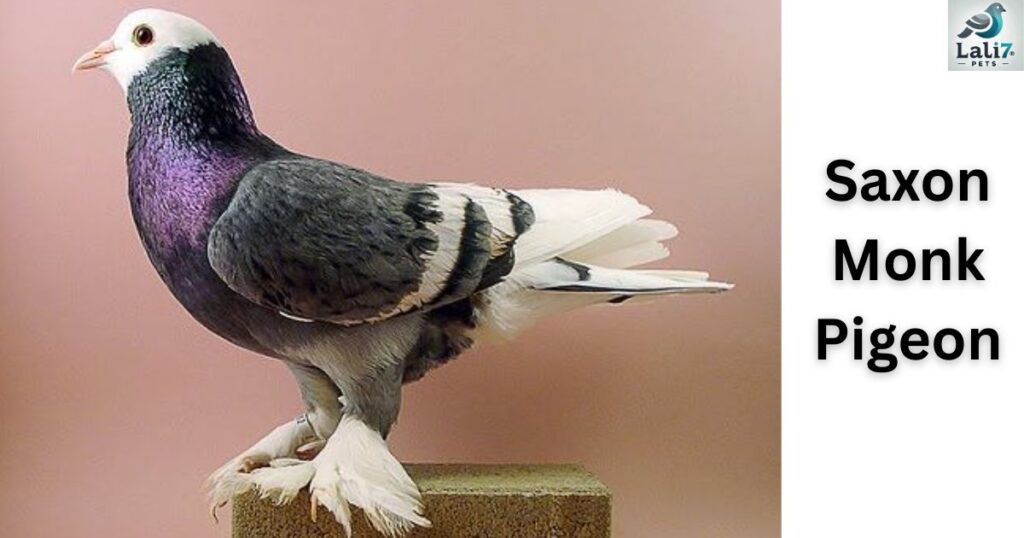
Imagine a bird so refined it wears a hood of feathers and slippers on its feet. The Saxon Monk pigeon stands out as a masterpiece of avian breeding, originating from the historic regions of Germany. Enthusiasts adore this fancy pigeon for its striking appearance, distinct markings, and remarkably gentle nature.
Known locally as the Sächsische Mönchtaube, this breed captures hearts with its unique aesthetic and calm demeanor. Whether you seek a top-tier show pigeon or a delightful backyard companion, understanding their specific needs ensures they thrive. Let’s explore the fascinating world of this exquisite flyer.
Tracing the History and Lineage
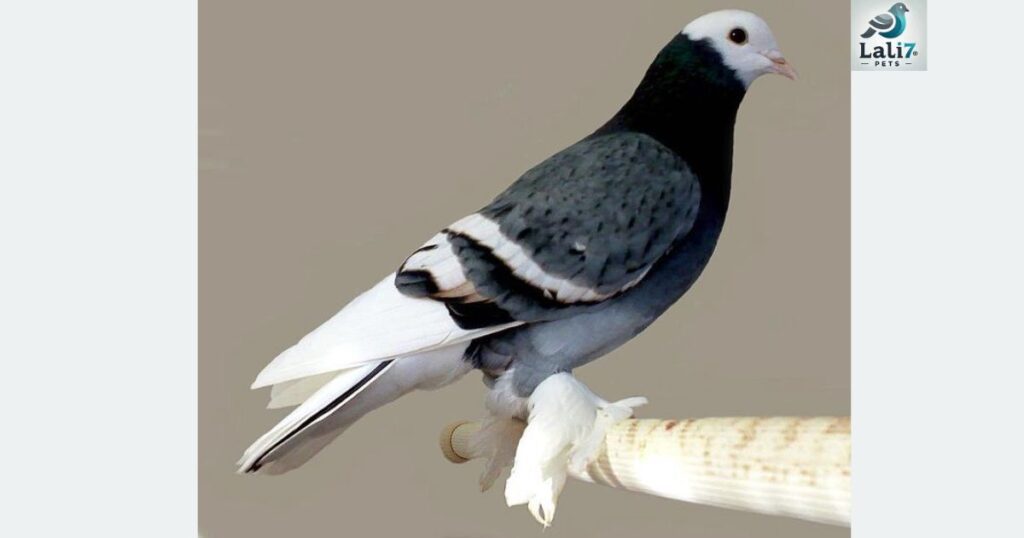
Born in the lush landscapes of Saxony, Germany, this breed boasts a rich heritage dating back centuries. Breeders meticulously refined the Rock pigeon (Columba livia) ancestry to create a bird of elegance. Early pigeon fanciers prioritized distinct color patterns that resemble a monk’s habit, giving the bird its iconic name.
Unlike wild cousins, this domestic pigeon developed strictly for exhibition purposes and aesthetic pleasure. The distinct color breeding separates them from common feral pigeons, showcasing the dedication of early German avian architects. The Saxon Monk pigeon lineage represents a triumph of selective breeding, celebrated by avian enthusiasts worldwide.
Defining Physical Characteristics
The Saxon Monk pigeon presents a robust, field-type figure that exudes strength and grace. Most notably, they feature magnificent muffed feet, sporting long hock feathers that sweep the ground. This muffed pigeon style requires specific attention to maintain its pristine look during shows or in the loft.
Observers immediately notice the white head, resembling a monk’s cowl, contrasting against a colored body. While some varieties are plain-headed, many sport a shell-crested look, adding to their eye-catching plumage. Their well-proportioned body sits somewhat low, emphasizing a broad chest and a horizontal stance unique to this group.
Recognized Color Varieties
Breeders accept a wide palette, including the Black Saxon Monk, Blue Saxon Monk, and vibrant reds. The wings often display crisp white bars or intricate laced plumage, creating a shimmering iridescence under sunlight. Each feather must lay flat, creating a close fitting feathers effect that defines the silhouette.
The Unique Head and Beak
Judges look for a rounded forehead pigeon with deep, dark eyes that sparkle with vitality. The beak should be long and flesh-colored, transitioning into a flesh colored cere. Any deviation, like a red colored cere, might penalize the bird in a competitive ring, as it disrupts the monk-like facial aesthetic.
Temperament and Social Behavior
Owners cherish the gentle and calm temperament these birds display daily. They rarely exhibit aggression, making them an ideal pet pigeon for families or novices. Their elegant demeanor extends to their interactions, where they coo softly and bond closely with their human caretakers, often enjoying hand-feeding.
Providing a peaceful environment for pigeons allows their personality to blossom. Social behaviors of pigeons dictate that they thrive in pairs or small flocks. This breed enjoys a structured routine and will happily perch near you, showcasing the affectionate nature of a true ornamental pigeon rather than a flighty wild bird.
Comprehensive Care Requirements
Husbandry for the Saxon Monk pigeon goes beyond basic pigeon care, primarily due to their foot ornamentation. Housing must feature smooth perches to protect the feathered feet from breakage. A predator-proof aviary is non-negotiable, as their flight capabilities might be slightly hindered by heavy muffs, making them vulnerable.
Maintain a nutritious pigeon diet rich in grains, seeds, and grit to support pigeon health. Clean water and regular baths are vital for maintaining their snow-white head. Pigeon housing must stay dry; dampness ruins foot feathers and invites disease, which is disastrous for a high-quality show pigeon.
Managing Muffs and Hygiene
The long muffs act as mops, collecting dirt if the coop floor isn’t pristine. Use deep litter or sand to keep the fancy pigeon clean. During the breeding season, trim foot feathers to prevent egg damage, a crucial tip for successful pigeon breeding and rearing healthy squabs.
Comparison With Similar Breeds
Newcomers often confuse the Monk with the Nuremberg Swallow pigeon or the Fairy Swallow pigeon. While all share the Saxon pigeon heritage and muffs, the Monk specifically features the white head and colored body. Swallows typically have different wing markings and specific cap structures that differentiate them.
Another point of confusion lies with other German toy pigeons. Comparing the Saxon Monk pigeon with others reveals its distinct “monk” marking (white head, tail, and flights). Understanding these distinct traits of Saxon Monk birds helps enthusiasts avoid purchasing the wrong breed when browsing pigeons for sale.
Acquiring Your Saxon Monk
Finding a Saxon Monk pigeon requires diligence, as pet stores rarely stock rare breeds. Join a Pigeon club or check the Pigeon Talk forum to connect with serious hobbyists. Dedicated Facebook pigeon groups often list birds and provide vetting for sellers to ensure you get healthy stock.
Always inspect the bird for alertness and clean vents before buying. Ask the seller about the bird’s lineage and any specific pigeon health history. Whether adopting from a pigeon friendly rescue or buying from a show champion, ensure the bird matches the breed standards you desire for a happy flock.
Breeding Challenges
Breeding these birds requires patience, as heavily muffed parents can accidentally break eggs. Experienced pigeon breeders often use foster parents or trim feathers. Ensure you pair a White-barred pigeon correctly to maintain the genetic integrity of the offspring and produce show-quality young.