
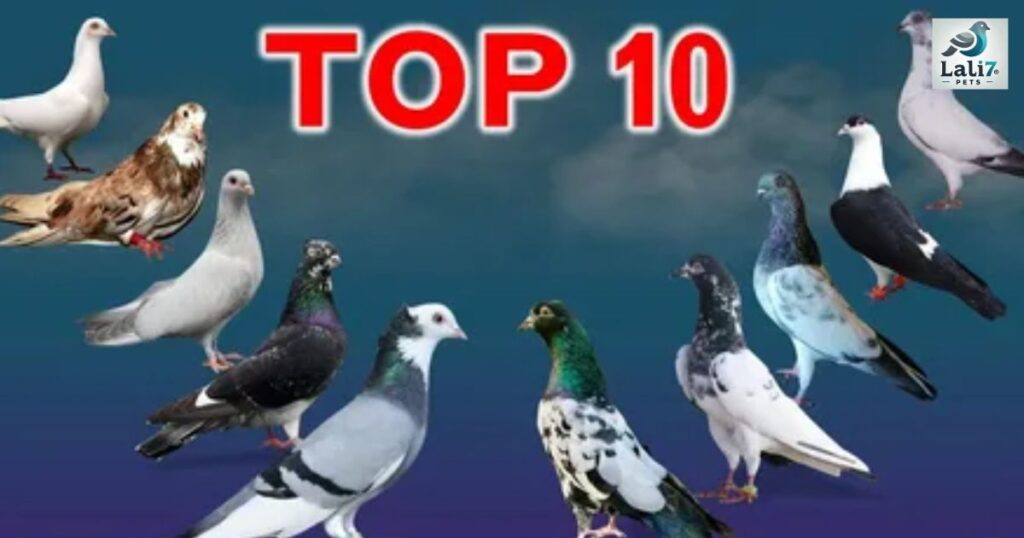
Imagine standing on a rooftop in Old Delhi or a terrace in rural Punjab as the sun begins to rise. You hear a sharp whistle, and suddenly, a flock of birds ascends, spiraling higher and higher until they are nothing but tiny specks against the blue sky. They won’t return for hours. This isn’t just bird watching; this is Kabootarbazi, the ancient and adrenaline-fueled sport of pigeon flying.
If you are looking to enter this world, you are likely searching for the top 10 high flying pigeons in India. You want birds that possess stamina, intelligence, and the heart of a champion. However, identifying the right Indian pigeon breeds and mastering pigeon training for long flights can be overwhelming for beginners.
In this guide, we will explore the best breeds, decode the secrets of their diet, and provide actionable tips to turn your loft into a home for high-flying legends.
- Introduction top 10 High-Flying Pigeons in India
- Top 10 High-Flying Pigeons Breed in India: A Deep Dive into Performance and Pedigree
- Mastering the Skies: Essential Training Techniques
- Nurturing Champions: Care and Nutrition
- The Spirit of Competition: Pigeon Flying Tournaments
- top 10 high flying pigeons in india (FAQs)
- Conclusion: top 10 high flying pigeons in india
Introduction top 10 High-Flying Pigeons in India
What Makes a Pigeon a “High Flyer”? Defining Key Characteristics
Not all pigeons are born to conquer the clouds. A high flyer pigeon is distinct from a racing homer or a fancy show bird. The primary high flyer pigeon characteristics include the ability to fly at high altitudes (often disappearing from the naked eye) for extended periods—ranging from 6 to over 14 hours.
Key traits include:
- Broad, powerful wings with specific primary feather structures.
- Clear, intelligent eyes (often called the “eye sign”) indicating vitality.
- Compact, streamlined bodies designed for endurance.
- Navigational smarts: They must fly vertically above their loft and land exactly where they took off.
The Rich History and Cultural Significance of Pigeon Flying (Kabootarbazi) in India
From Mughal Pastimes to Modern Day Competitions
Kabootarbazi history runs deep in Indian soil. It was once the pastime of Mughal emperors who admired the birds for their grace and loyalty. Historical records suggest that Emperor Akbar reportedly kept thousands of pigeons. Over centuries, this royal hobby transformed into a popular sport for the masses.
Pigeon Flying: A Sport, a Passion, and a Community
Today, pigeon fanciers in India form a tight-knit community. From the bustling streets of Chennai to the fields of Haryana, enthusiasts dedicate their lives to these birds. It is more than a sport; it is a discipline requiring patience, observation, and a deep bond between human and bird.
Top 10 High-Flying Pigeons Breed in India: A Deep Dive into Performance and Pedigree
Choosing the right breed is the first step to success. Here is a breakdown of the most celebrated Indian pigeon breeds known for their aerial prowess.
1. Ferozpori Pigeons
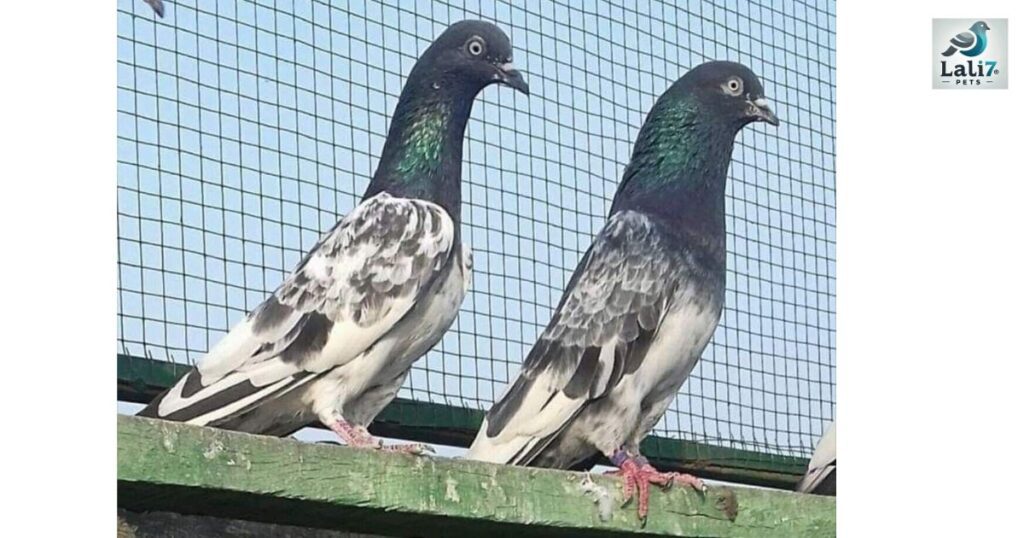
Originating from the Ferozepur district in Punjab, the Ferozpori pigeon is a legend in the flying circuit.
- Physical Traits: They are generally medium-sized with a variety of color patterns, often featuring a spotted head or body. Some have a small crest (crown).
- Flying Style: Known for their stable flight and ability to stay aloft for 8 to 12 hours easily. They fly at medium to high altitudes.
- Care: They are hardy birds but require a protein-rich diet during the molting season to maintain feather quality.
2. Rampoori Pigeons
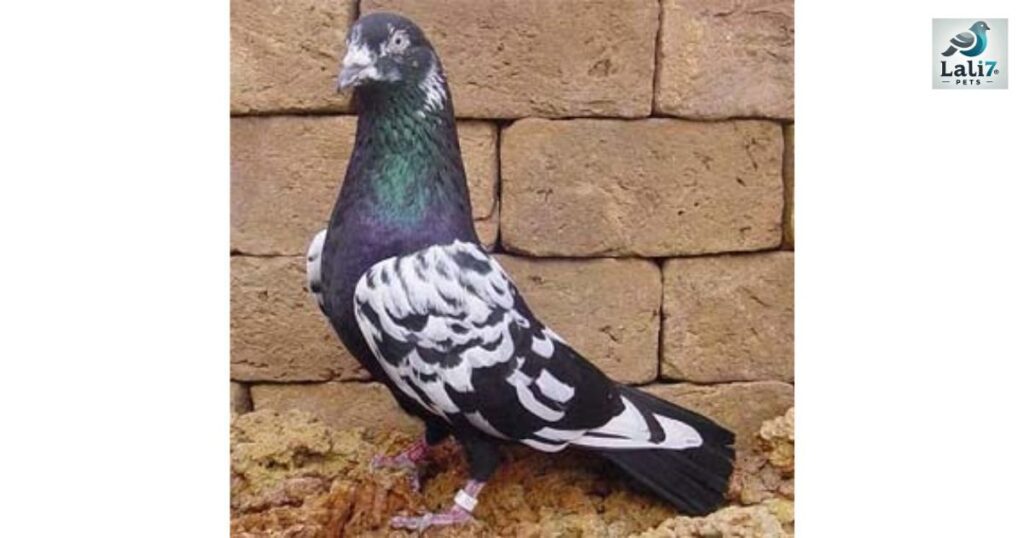
The Rampoori pigeon is often called the “Prince of Pigeons” in North India.
- Physical Traits: Recognized by their distinct white eyes (sometimes yellow) and slender, elegant necks. They often have a grey or bluish coat.
- Flying Style: These are pure high-flyers. They ascend quickly and can disappear into the clouds, known for excellent pigeon flight stamina.
- Training: They respond well to “whistle training” and are known for their intelligence in trapping (returning to the loft).
3. Banka Pigeons
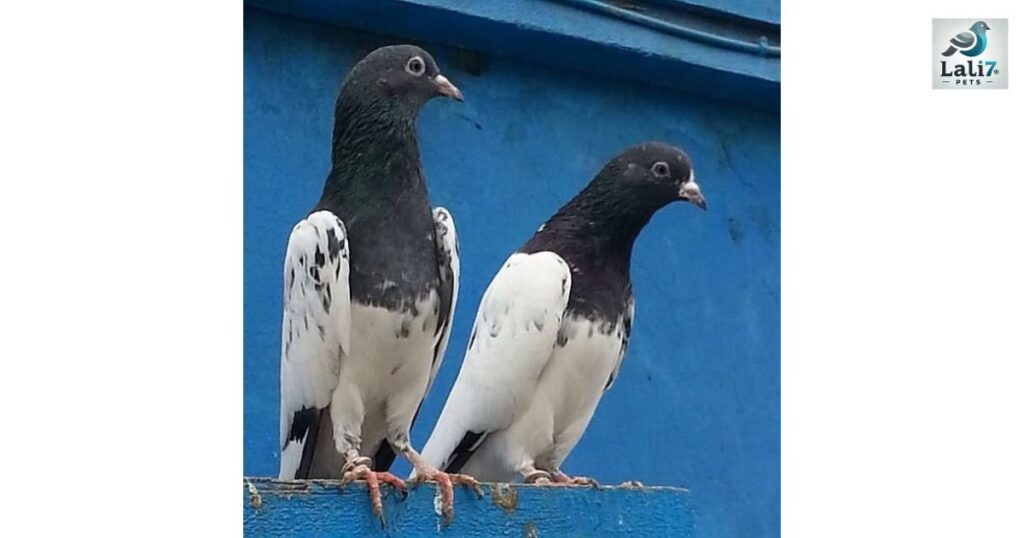
The Banka pigeon is famous for its beauty and performance.
- Physical Traits: “Banka” implies someone who poses or struts. These birds have a proud stance and are often white with specific colored markings on the tail or wings.
- Flying Style: They are exceptional high flyers that combine endurance with grace.
- Care: Keep their loft distinctively clean, as their white plumage shows dirt easily, which can affect feather health.
4. Indian Gola Pigeons
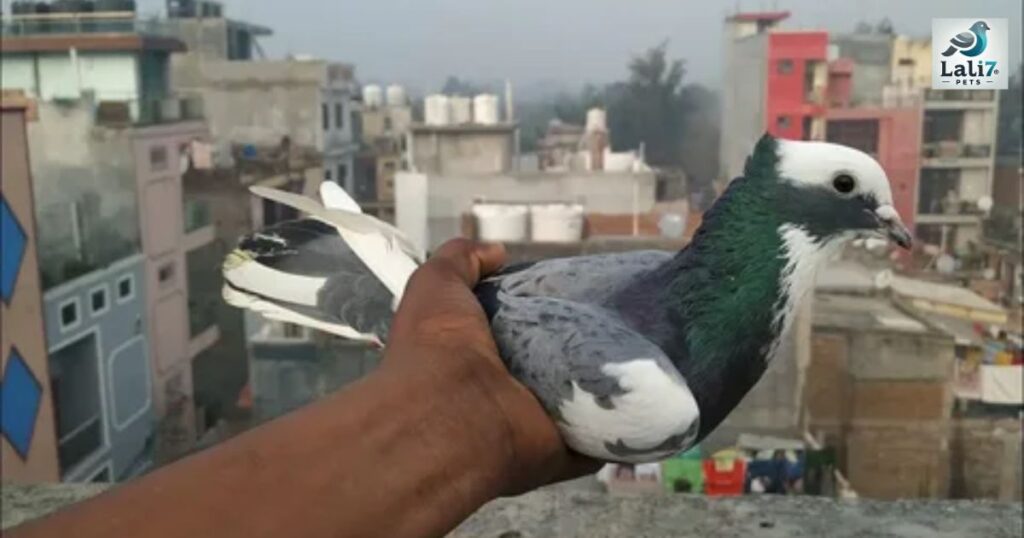
If you want speed, you want the Indian Gola pigeon.
- Physical Traits: Muscular and robust. They are built like athletes.
- Flying Style: While they are high flyers, they are also renowned for speed, capable of reaching speeds of 65-70 mph. They can fly for 10-11 hours without stopping.
- Training: They require open skies and rigorous exercise routines to burn off their high energy levels.
5. Madrasi Highflyer (Thavdal)
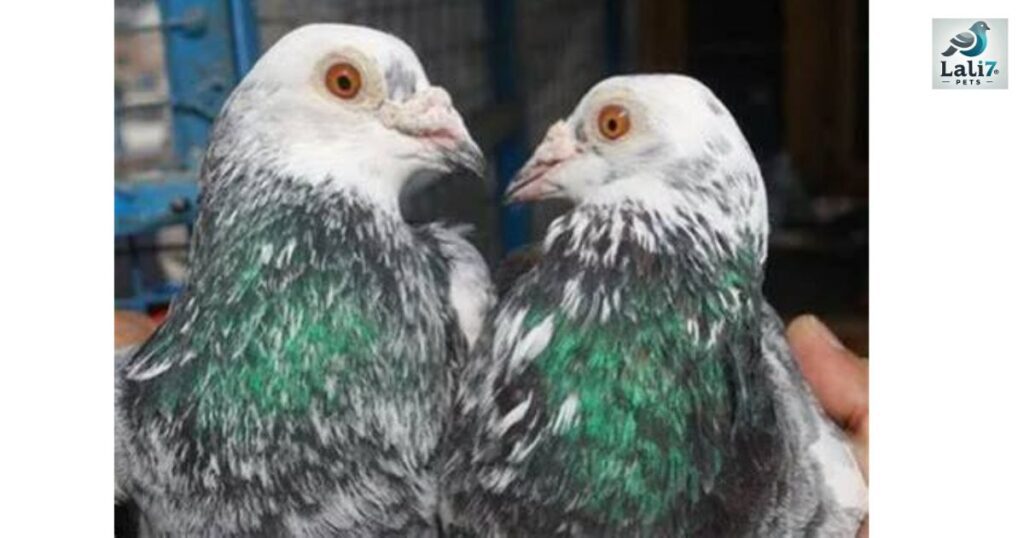
A pride of South India, the Madrasi Highflyer (often linked to the Thavdal strain) is an endurance beast.
- Physical Traits: Streamlined body designed specifically for hot and humid conditions. They have a very distinct, sharp look.
- Flying Style: These birds are the marathon runners of the sky. It is not uncommon for a well-trained Madrasi to clock 14 to 20+ hours of flight, sometimes flying through the night.
- Distinctive Feature: Their ability to handle the searing Indian heat is unmatched.
6. Gerebaaj / Tippler Pigeons
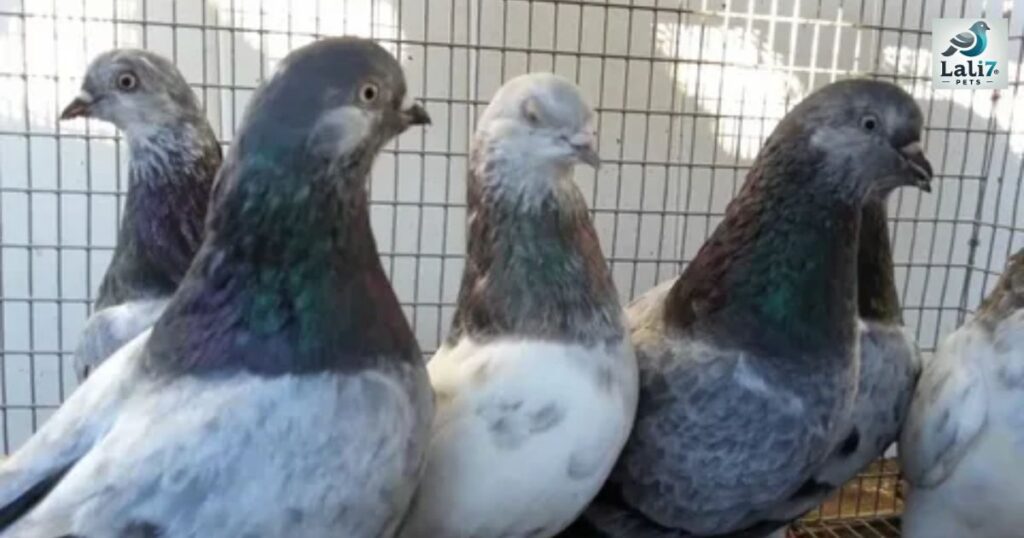
While “Tippler” is a global term, the Indian Gerebaaj Tippler pigeon has been acclimatized to local conditions.
- Physical Traits: Unassuming in looks, often plain-colored, but their wings are powerful.
- Flying Style: They are bred for one thing: pigeon flying duration. They do not fly as high as Rampooris but fly continuously for incredible lengths of time.
- Training: They need a very strict feeding schedule to manage their energy output.
7. Khatang Pigeons
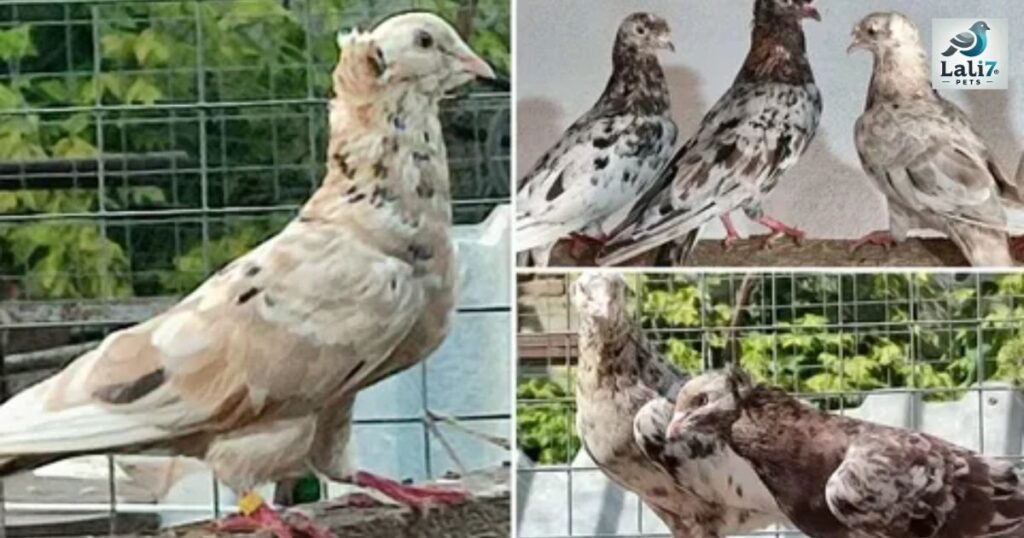
The Khatang pigeon is favored by those who enjoy visual spectacles.
- Physical Traits: Sharp beak and vibrant eye colors.
- Flying Style: They are known for pigeon aerial acrobatics. While they fly high, they often perform tumbles or sharp turns that thrill onlookers.
8. Shahjanpuri Pigeons
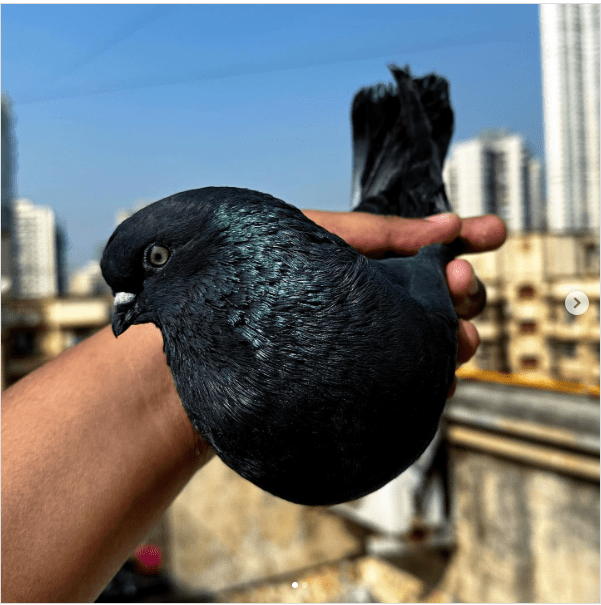
Named after their place of origin, these birds are classic high flyers.
- Physical Traits: Often found in white or mixed colors with distinctive eye rings.
- Flying Style: Steady, high-altitude flyers that are very reliable. They are less likely to get lost compared to flightier breeds.
9. Jire Pigeons
Jire pigeons are easily identified by their speckled “cumin-seed” (Jeera) like markings.
- Physical Traits: Their spotted plumage provides good camouflage against hawks when flying at lower altitudes.
- Flying Style: Excellent endurance and very loyal to their loft.
10. Kasni Pigeons
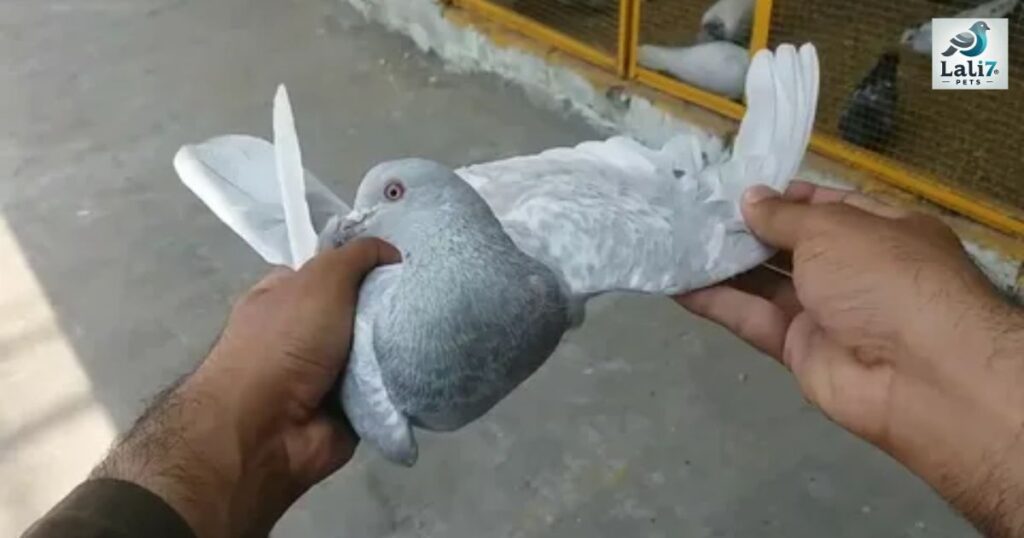
The Kasni pigeon gets its name from the color of the chicory flower (a bluish-purple/grey hue).
- Physical Traits: Beautiful, uniform coloration and bright eyes.
- Flying Style: They fly high and are known for their calm temperament, making them great for beginners.
Other Notable Mentions
We must also acknowledge the Sialkoti high flyer and the famous Teddy kabootar. The Teddy kabootar origin is technically Pakistani, closely related to the Rampoori, but they are immensely popular in Indian competitions due to their intelligent return rates and massive stamina.
Fun Fact: Many fanciers cross-breed these varieties (e.g., crossing a Rampoori with a Teddy) to create the ultimate “all-rounder” bird.
Mastering the Skies: Essential Training Techniques
Having a good breed is only 20% of the work; the rest is training. Here is how to master pigeon training for long flights.
1. Foundation Training: From Loft to Sky
Before a bird can fly high, it must know where home is.
- The Settle: Keep young birds (squeakers) on the loft roof with their wings taped or clipped so they can look around but not fly away. Do this for 1-2 weeks.
- The Trap Signal: Create a specific sound (whistle or rattling a grain tin) every time you feed them. They will learn that Sound = Food.
- The First Toss: Once they know the trap signal, let them take short hops around the roof.
2. Establishing a Routine
Consistency is king.
- Morning vs. Evening: In summer, fly them early morning. In winter, late morning is better.
- Empty Stomach: Never fly a bird on a full stomach. Feed them after they return and enter the loft.
3. The Critical Role of the Loft
Your pigeon loft management directly impacts performance.
- Ventilation: The loft must be airy but draft-free.
- Perches: Provide individual perches to prevent fighting and stress.
- Hygiene: Clean droppings daily to prevent diseases like Canker or Coccidiosis.
Nurturing Champions: Care and Nutrition
Pigeon nutrition diet is the fuel for their engine. You cannot expect a Ferrari to run on low-grade fuel.
The Science of Feeding: Ideal Diet for High-Flying Pigeons
A standard mix isn’t enough for high flyers. You need a mix of:
- Carbohydrates (Energy): Bajra (Pearl Millet), Jowar (Sorghum), Corn.
- Protein (Muscle): Chana (Chickpeas), Moong Dal, Peas.
- Fats (Endurance): Mustard seeds, Safflower seeds, and Almonds (Badam).
Pro Tip: During training, many Indian fanciers use Badam (almonds) soaked overnight, peeled, and ground into a paste. This is the best pigeon food for endurance.
Post-Flight Recovery and “Khail Panni”
When a bird returns from a 10-hour flight, it is exhausted and dehydrated.
- Immediate Care: Do not let them drink water immediately if they are panting heavily. Wait for 10-15 minutes.
- Khail Panni: This is a traditional Ayurvedic remedy or infused water used by fanciers. It often contains herbs like fennel, cardamom, and dextrose to replenish electrolytes.
- Rest: Ensure the bird rests in a dark, quiet place for full post flight pigeon recovery.
The Spirit of Competition: Pigeon Flying Tournaments
Pigeon racing clubs in India and flying associations organize massive tournaments, especially in Punjab, Delhi, and Chennai.
Understanding the Rules
- Time Keeping: Judges record the take-off time.
- Visibility: In many formats, the bird must remain visible to the judge at specific intervals, or eventually land back at the exact loft.
- Landing: If a bird lands on a neighbor’s roof or a tree, it is usually disqualified. It must land on its designated loft.
Ethical Considerations
We must address ethical pigeon keeping.
- Overflying: Never force a bird to fly if it is sick or molting.
- Weather: Avoid flying in storms or extreme heat waves without proper acclimatization.
- Predators: Protect your flock from Shikras (hawks) and cats.
top 10 high flying pigeons in india (FAQs)
What are the best high-flying pigeon breeds in India?
The top contenders are the Ferozpori, Rampoori, Madrasi Highflyer, and the Teddy. The “best” depends on whether you want height (Rampoori) or pure duration (Madrasi).
Which Indian pigeon can fly for the longest time?
The Madrasi Highflyer (Thavdal) is widely considered the champion of duration, often clocking over 14 hours, sometimes flying well into the night.
What is the best food for high-flying pigeons?
A mix of Bajra and Jowar is the staple. However, for endurance, soaked almonds (Badam) and specialized seed mixes containing fats (like safflower) are essential.
How do you train high-flying pigeons?
Start with “roof training” to establish a bond. Gradually increase flight times by flagging them up for short periods. Use a specific whistle for feeding to ensure they return promptly.
What is the typical cost range for premium high-flying pigeon breeds in India?
Prices vary wildly. A common bird might cost ₹500 – ₹1,000 ($6-$12). However, a champion bloodline Teddy or Rampoori pair can easily sell for ₹10,000 to ₹50,000 ($120 – $600) or more.
How can I identify a genuine high-flying pigeon breed?
Look for the high flying pigeon eye sign (vibrant, rich iris), a strong wing structure (the last three flight feathers should be nearly equal in length), and a body that feels light and corky, not heavy.
Conclusion: top 10 high flying pigeons in india
Top 10 High-Flying Pigeons in India is magical. It combines the rigor of athletic training with the beauty of nature. Whether you choose the regal Rampoori, the tireless Madrasi, or the acrobatic Khatang, remember that patience is your best tool.
Treat your birds with respect, feed them the best nutrition, and they will reward you by conquering the skies. Are you ready to look up and see your champion soaring?
Ready to start your flock? Connect with local pigeon racing clubs in India to find reputable breeders and avoid buying low-quality birds from general markets.
Попробуйте свою удачу в игра ракета 1win и насладитесь уникальными возможностями!
Игра в Aviator казино становится все более популярной среди азартных игроков благодаря своей оригинальности.